

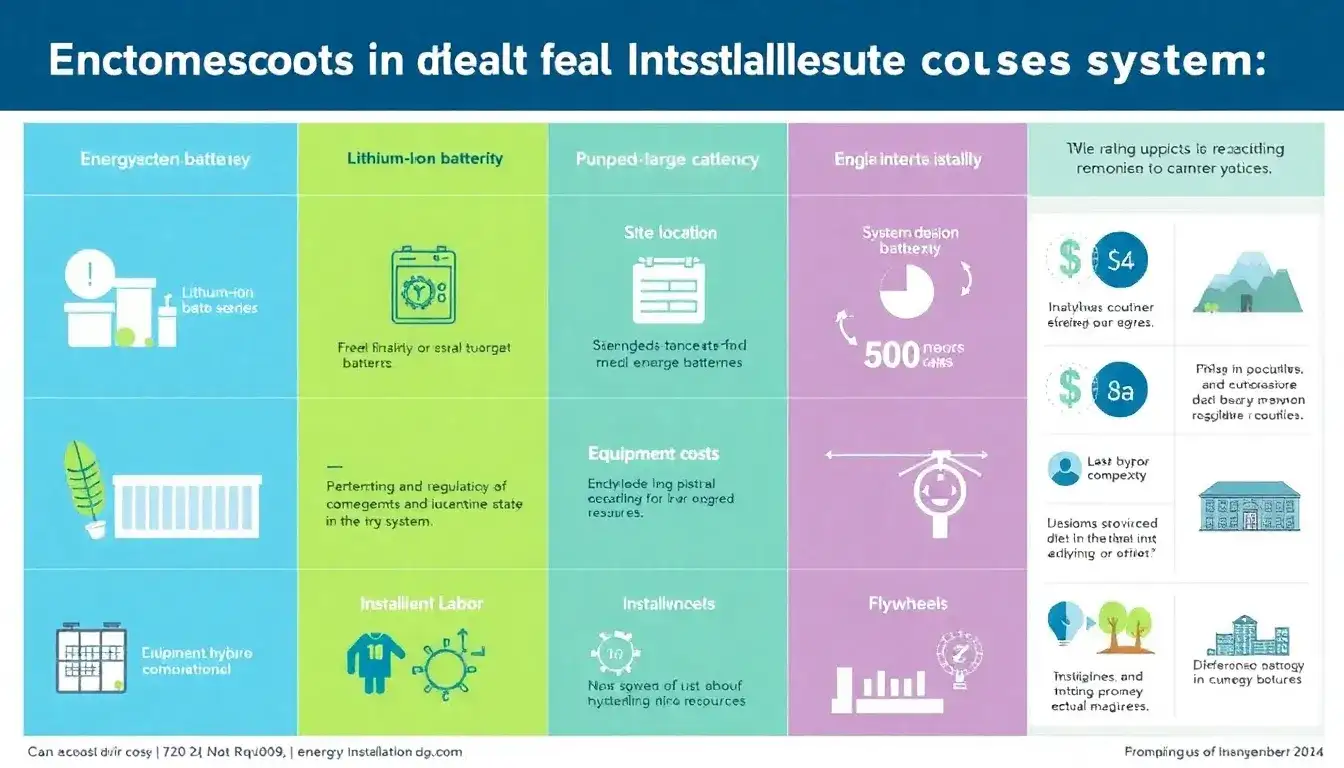
The installation costs of energy storage systems, particularly battery energy storage systems (BESS), are influenced by a variety of factors. Here’s a breakdown of these elements:
Key Factors Influencing Installation Costs
- Equipment Quality and Brands: High-quality batteries and components from reputable brands often result in higher upfront costs due to their advanced features and warranties.
- Installation Complexity and Labor Fees: The complexity of installation, including location and existing infrastructure, affects labor costs. More complex installations or those requiring significant upgrades to existing systems will be more expensive.
- Geographical Location: Installation costs can vary significantly across regions due to differences in labor costs, local regulations, and climate conditions. Regions with stringent regulatory requirements or higher labor costs typically incur higher expenses.
- System Size and Capacity: Larger systems can benefit from economies of scale, reducing costs per unit of energy stored. However, the cost per kWh can vary based on system size and demand.
- Financing and Incentives: Availability of financing options and incentives, such as federal and state tax credits, can significantly reduce net installation costs. Government subsidies and policies play a crucial role in making energy storage systems more economically viable.
- Market Dynamics: Supply and demand, competition among manufacturers, and regulatory frameworks contribute to cost fluctuations in the energy storage market. Increased demand can lead to economies of scale, while regulatory support can drive down costs.
- Balance of System (BoS) Costs: In addition to batteries, other components such as inverters, wiring, and cooling systems contribute to overall costs.
- Operation and Maintenance (O&M) Costs: Long-term costs include maintenance, battery replacement, and other operational expenses, which can be substantial over the system’s lifespan.
- End-of-Life and Recycling Costs: Disposal and recycling costs should be considered as part of the total lifecycle cost of the system.
Overall, understanding these factors is essential for estimating and planning the installation of energy storage systems effectively.
Original article by NenPower, If reposted, please credit the source: https://nenpower.com/blog/what-factors-influence-the-installation-costs-of-energy-storage-systems/

