

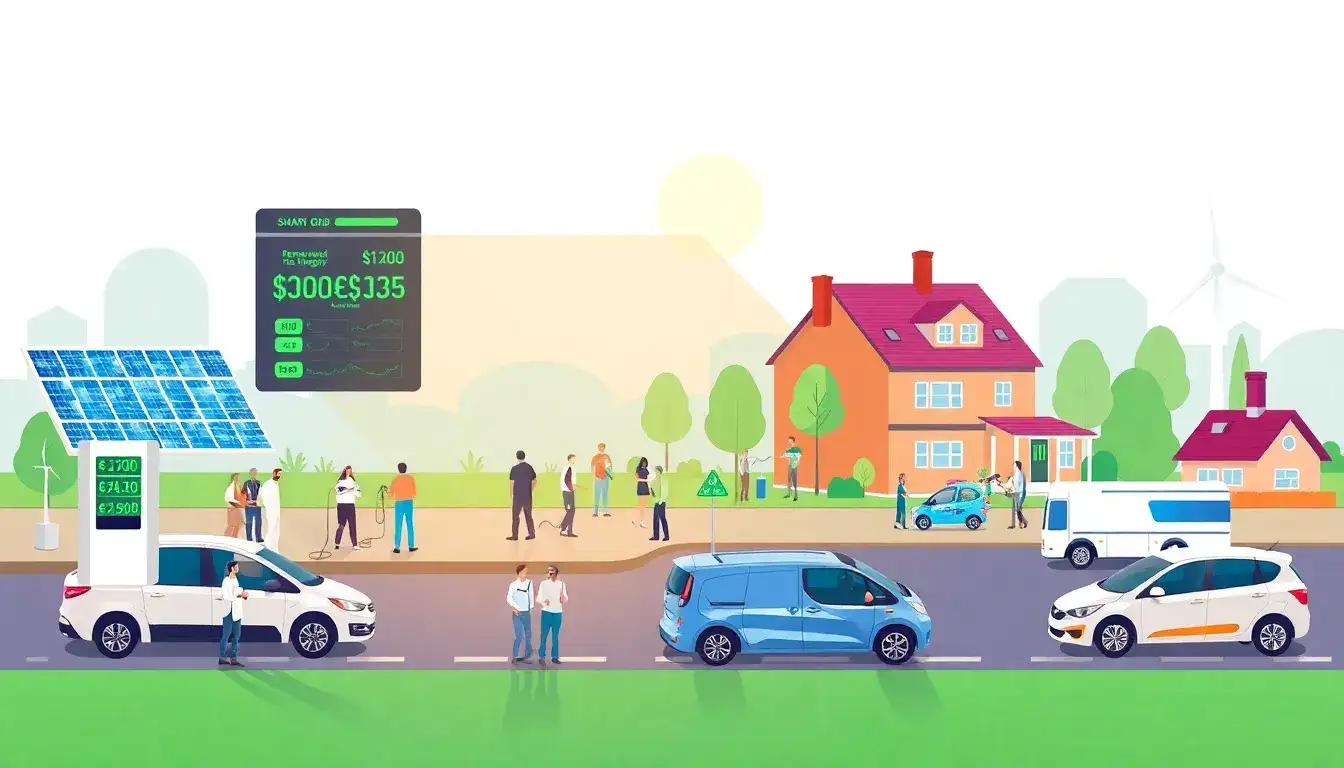
The cost of charging an electric vehicle (EV) is influenced by several key factors:
1. Electricity Rates and Location
- The local electricity rates set by utility providers form the basis for calculating charging costs, and these rates vary significantly by region and provider.
- Charging at home generally costs less than using public charging stations, especially fast chargers, which tend to be more expensive.
2. Type and Speed of Charger
- Charging speed impacts cost: slower chargers (Level 1) consume electricity more gradually and tend to be cheaper, while faster chargers (Level 2 or DC fast chargers) use electricity more quickly and often at a higher rate per kWh.
- Public fast chargers usually charge a premium compared to home chargers due to convenience and infrastructure costs.
3. Battery Size and Vehicle Capacity
- The size of the EV’s battery pack directly influences charging costs, as larger batteries require more electricity to charge fully, increasing total expenses.
4. Time of Use (TOU) Plans and Charging Time
- Many regions offer time-of-use electricity rates, where electricity costs vary depending on the time of day.
- Charging during off-peak hours (typically overnight) can significantly reduce costs because rates are lower, while charging during peak hours is more expensive.
5. Charging Habits
- Consistently charging to 100% may not be necessary and could increase electricity consumption unnecessarily.
- Optimizing charging based on daily driving needs can help reduce costs by avoiding overcharging.
In summary, the primary factors influencing EV charging costs are local electricity prices, the charging location and type of charger used, the EV’s battery capacity, the timing of charging relative to TOU rates, and individual charging behavior. Balancing these factors allows EV owners to manage and potentially reduce their charging expenses effectively.
Original article by NenPower, If reposted, please credit the source: https://nenpower.com/blog/what-factors-influence-the-cost-of-charging-an-ev/

