

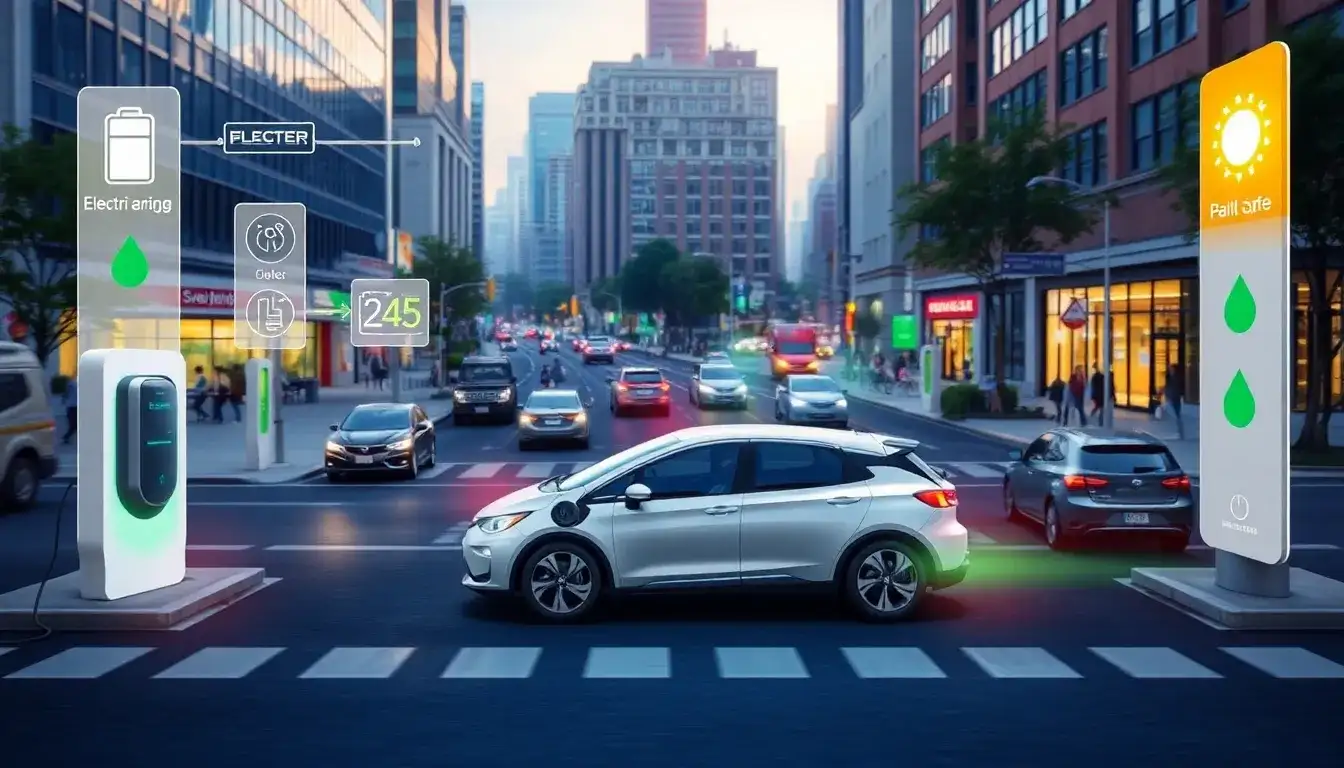
The variability in electric range of Plug-in Hybrid Electric Vehicles (PHEVs) in urban areas can be attributed to several key factors:
Factors Contributing to Variability in Electric Range
-
Driver Behavior:
- Aggressiveness: Aggressive driving, including rapid acceleration and braking, can reduce the electric range by increasing energy consumption.
- Speed: Urban environments typically involve lower speeds, which can help maintain electric range due to regenerative braking benefits.
-
Route and Terrain:
- Urban vs. Highway: While urban driving often minimizes energy consumption through frequent stops and lower speeds, occasional highway segments can decrease efficiency.
- Hills and Inclines: Climbing hills can decrease electric range due to increased energy demand.
-
Environmental Conditions:
- Weather: Extreme temperatures, whether hot or cold, can affect battery efficiency and range due to increased use of climate control systems.
- Ambient Temperature: Optimal temperatures around 25°C can help maintain electric range, while extreme conditions can reduce it.
-
Accessory Use:
- Utilization of accessories such as air conditioning, heating, and entertainment systems can drain the battery faster, affecting electric range.
-
Charging Practices:
- Frequency and depth of charging can influence battery health and immediate electric range. Frequent charging can help maintain energy levels, especially if drivers can charge during the day.
-
Battery Health and Age:
- Over time, batteries can lose some capacity, decreasing electric range. Regular charging and proper maintenance can help mitigate this issue.
These factors combined can significantly impact the variability in electric range experienced by PHEVs in urban environments.
Original article by NenPower, If reposted, please credit the source: https://nenpower.com/blog/what-factors-contribute-to-the-variability-in-electric-range-of-phevs-in-urban-areas/

