

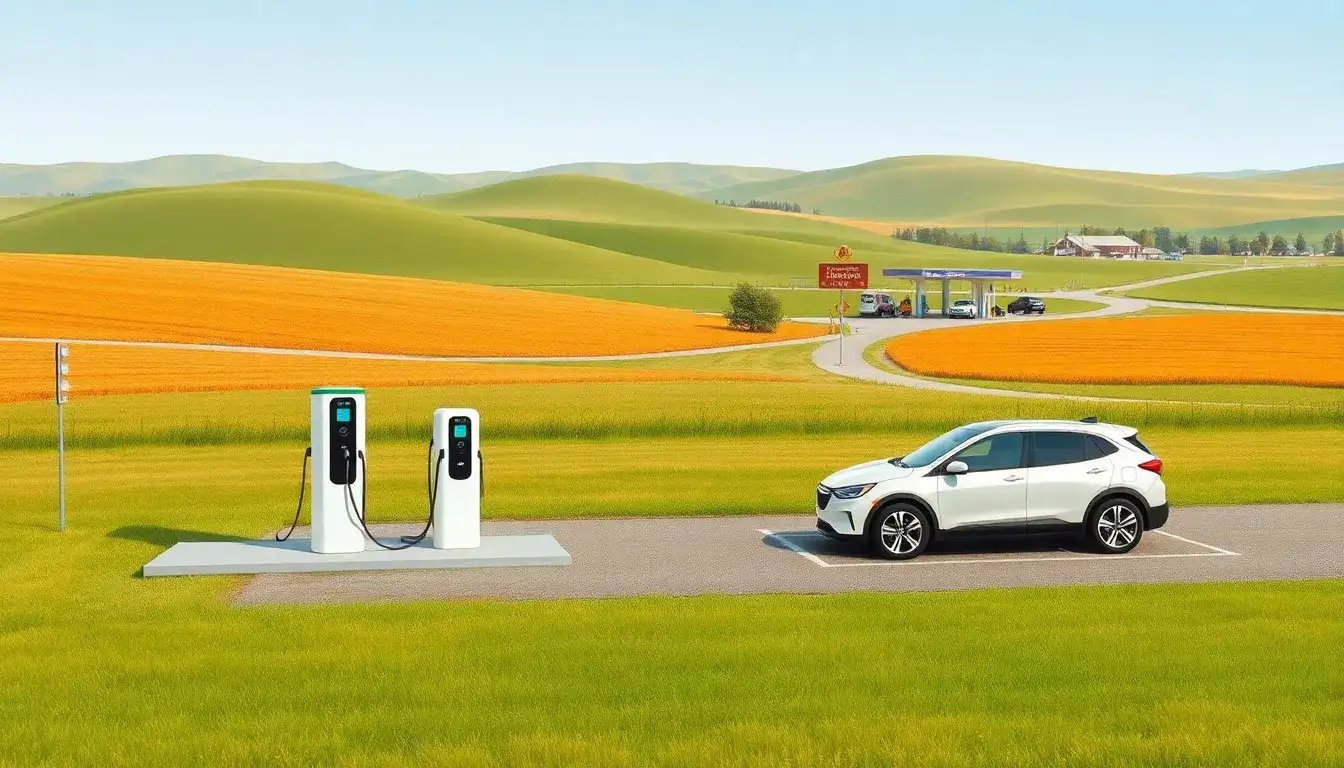
Several key factors contribute to the lower usage of electric vehicle (EV) charging stations in rural areas compared to urban regions:
1. Lower EV Adoption Rates in Rural Areas
- EV adoption in rural areas is roughly 40% lower than in urban areas, partly because charging infrastructure development has mostly focused on cities and major highways. This lower adoption reduces the demand and utilization of rural EV chargers.
2. Lack of Charging Infrastructure (Charging Deserts)
- Rural regions often suffer from “charging deserts,” with sparse availability of public Level 2 and DC Fast Chargers.
- The low population density in rural areas makes installing public charging stations less economically viable, leading to fewer chargers and less usage.
- This creates a feedback loop where fewer chargers reduce EV adoption interest, which further discourages new station investments.
3. Range Anxiety and Longer Travel Distances
- Rural drivers typically cover longer distances, increasing concerns over EV range and the availability of convenient charging points.
- The need to plan charging stops carefully on long trips adds to this anxiety, reducing rural EV usage and charging station visits.
4. Charging Time and Convenience Concerns
- Concerns about the length of time it takes to charge EVs and the user-friendliness of chargers affect rural EV charging station usage.
- Rural residents worry about the relative convenience and safety of charging locations, especially when chargers might be out of order.
5. Environmental and Climate Challenges
- Reduced battery performance and EV range during winter months pose additional challenges for rural users in cold climates.
- Protection from the elements while waiting for a charge can be lacking, and some rural areas may lack reliable electric service, further discouraging use.
6. Economic Factors and Cost Concerns
- The initial cost of EVs is a significant hurdle for many rural households, who may not fully account for long-term savings in maintenance and fuel.
- This hesitancy to purchase EVs translates to lower charging station usage.
7. Charging Logistics and Public Perceptions
- Public charging availability is a top concern for rural residents considering EVs, with 63% citing insufficient public chargers as a barrier compared to 58% of urban dwellers.
- Availability of free and fast public charging is a motivating factor for rural residents, implying current costs and charging speed may limit utilization.
In summary, the lower usage of EV charging stations in rural areas stems from a combination of sparse infrastructure, economic and demographic factors, longer travel distances generating range anxiety, and practical challenges related to charging convenience and environmental conditions. Addressing these issues through targeted infrastructure expansion along rural corridors, providing free or fast charging options, and improving reliability and user experience could increase rural EV usage and charging station utilization.
Original article by NenPower, If reposted, please credit the source: https://nenpower.com/blog/what-factors-contribute-to-the-lower-usage-of-ev-charging-stations-in-rural-areas/

