

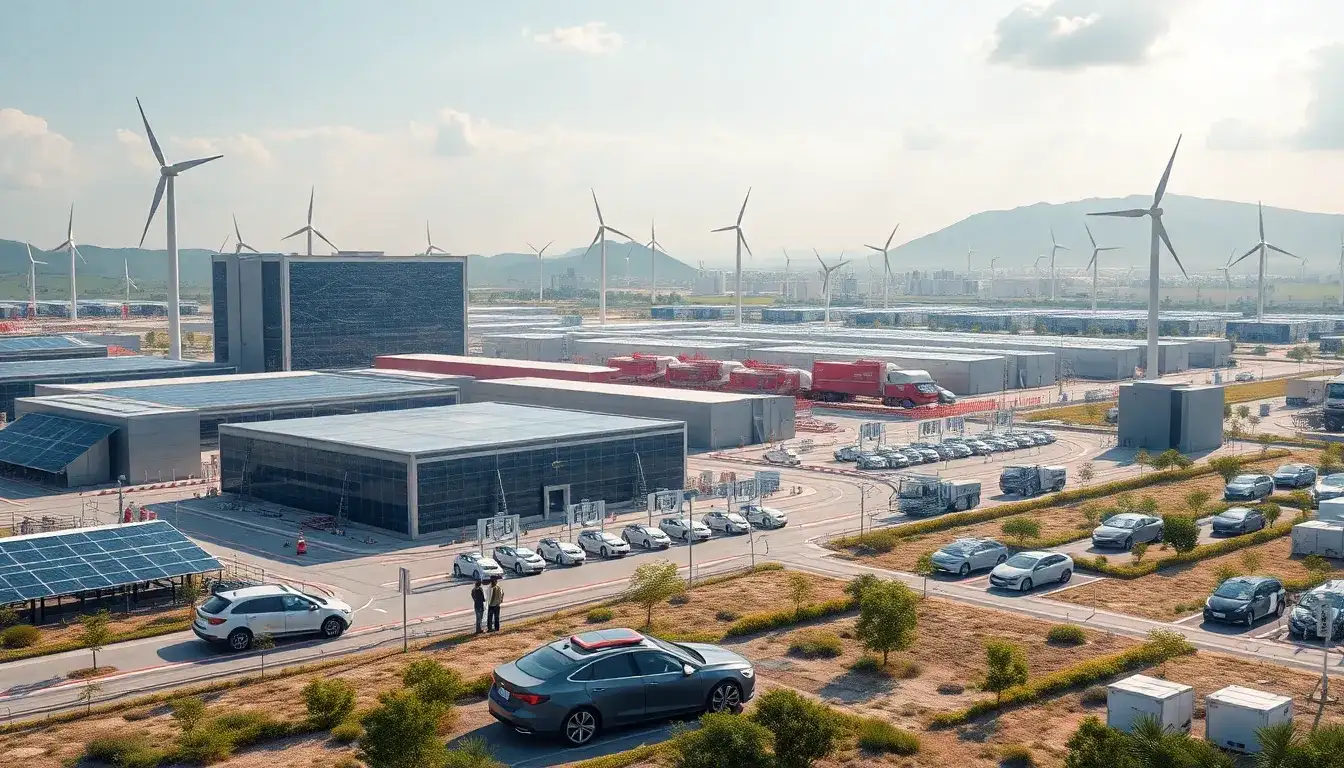
Several factors contribute to the lower costs of energy storage in China:
Key Factors
- Streamlined Manufacturing and Efficiency: Chinese battery manufacturers have optimized their production processes, achieving high yields and efficient plant operations. This efficiency, coupled with easy access to suppliers, helps reduce costs significantly.
- Falling Material Prices: Declines in lithium and other material costs contribute to lower overall energy storage system costs. This trend has been observed globally but is particularly impactful in China due to its large-scale production capabilities.
- Increased Competition: Intensified competition among Chinese manufacturers leads to reduced margins and more competitive pricing. This competitive landscape fosters innovation and further cost reduction efforts.
- Larger Battery Cell Sizes: The adoption of larger, more energy-dense battery cells (e.g., lithium iron phosphate cells) increases efficiency and reduces costs per kilowatt-hour. This trend is driving down prices in energy storage systems.
- State Support and Policies: China’s energy storage sector benefits from government policies aimed at reducing costs and promoting the industry. Targets include decreasing per-unit costs by 30% by 2025, facilitating market-driven growth without subsidies.
- Economies of Scale and Market Size: China’s large market size and demand for energy storage systems enable economies of scale, which contribute to lower production costs. The country is expected to become a global leader in this sector.
- Low Labor Costs and Overcapacity: Although labor costs are often mentioned, the impact is more nuanced due to increased automation. However, overcapacity in the industry can lead to lower cell prices on the spot market, benefiting certain sectors like stationary storage.
Original article by NenPower, If reposted, please credit the source: https://nenpower.com/blog/what-factors-contribute-to-the-lower-costs-of-energy-storage-in-china/

