Several key factors contribute to the longer lifespan of lithium-ion batteries:
Factors Contributing to Longer Lithium-Ion Battery Lifespan
1. Quality of Materials and Manufacturing
- Premium Materials: Using high-quality electrode materials, separators, and electrolytes is crucial as they are more resistant to degradation over time.
2. Temperature Management
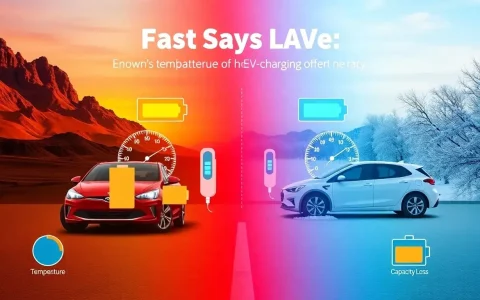
- Avoid Extreme Temperatures: High temperatures accelerate chemical reactions leading to faster degradation, while low temperatures reduce efficiency. Maintaining a moderate room temperature is ideal.
3. Depth of Discharge (DOD)
- Partial Discharges: Keeping the DOD shallow (e.g., between 20% and 80%) reduces stress on the battery cells, extending its lifespan compared to frequent deep discharges.
4. Charging Habits
- Proper Charging: Avoid overcharging, rapid charging, and high currents. Adhering to recommended charging practices helps maintain battery health.
5. Battery Management System (BMS)
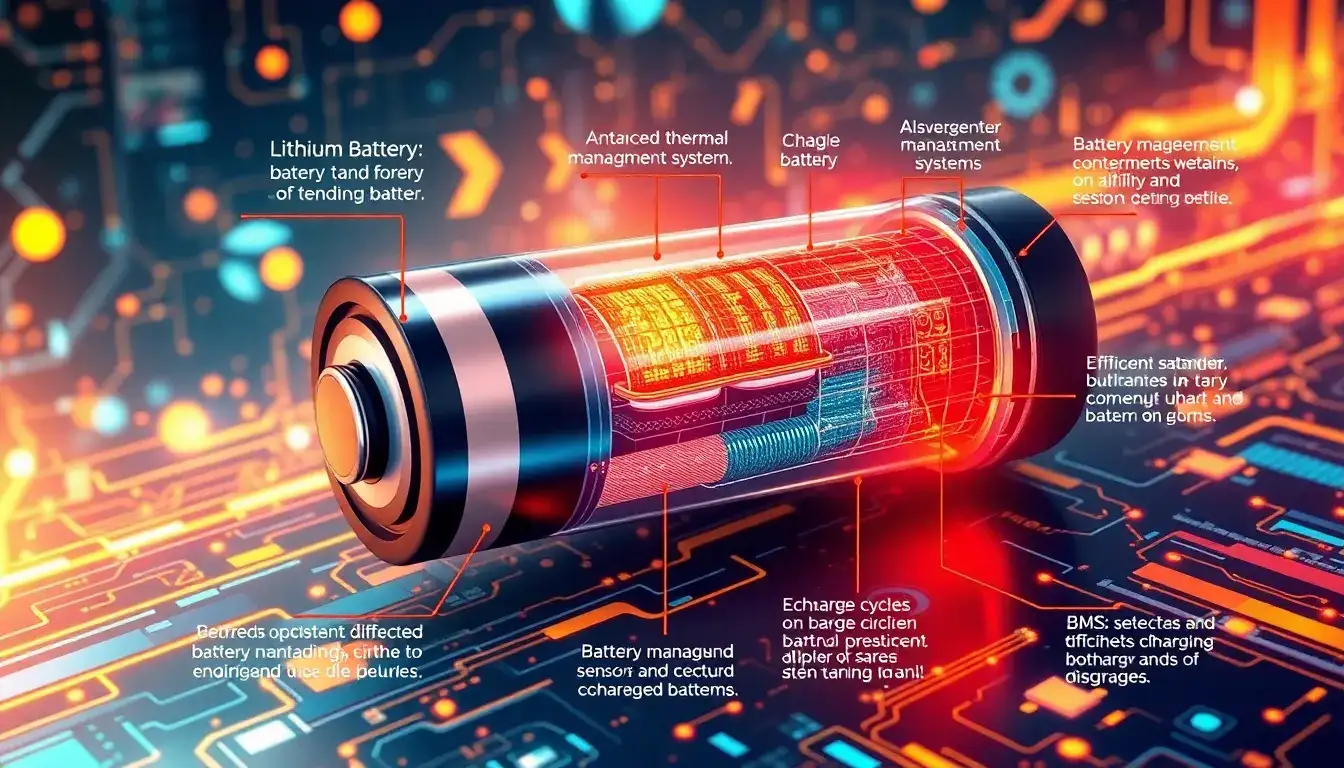
- Robust BMS: A good BMS protects against issues like overcharging and deep discharging, ensuring safe operation parameters that are essential for maximizing lifespan.
6. Storage Conditions
- Proper Storage: Storing batteries at a partial charge (around 40-60%) in a cool, dry environment when not in use helps prevent degradation during inactivity.
7. Usage Patterns
- Regular Rotation: Regular use and rotation of batteries help maintain performance and allow monitoring of potential degradation over time.
8. Physical Integrity
- Avoid Physical Damage: Protecting batteries from impacts or moisture exposure is crucial to prevent internal structural damage and extend lifespan.
Original article by NenPower, If reposted, please credit the source: https://nenpower.com/blog/what-factors-contribute-to-the-longer-lifespan-of-lithium-ion-batteries/