

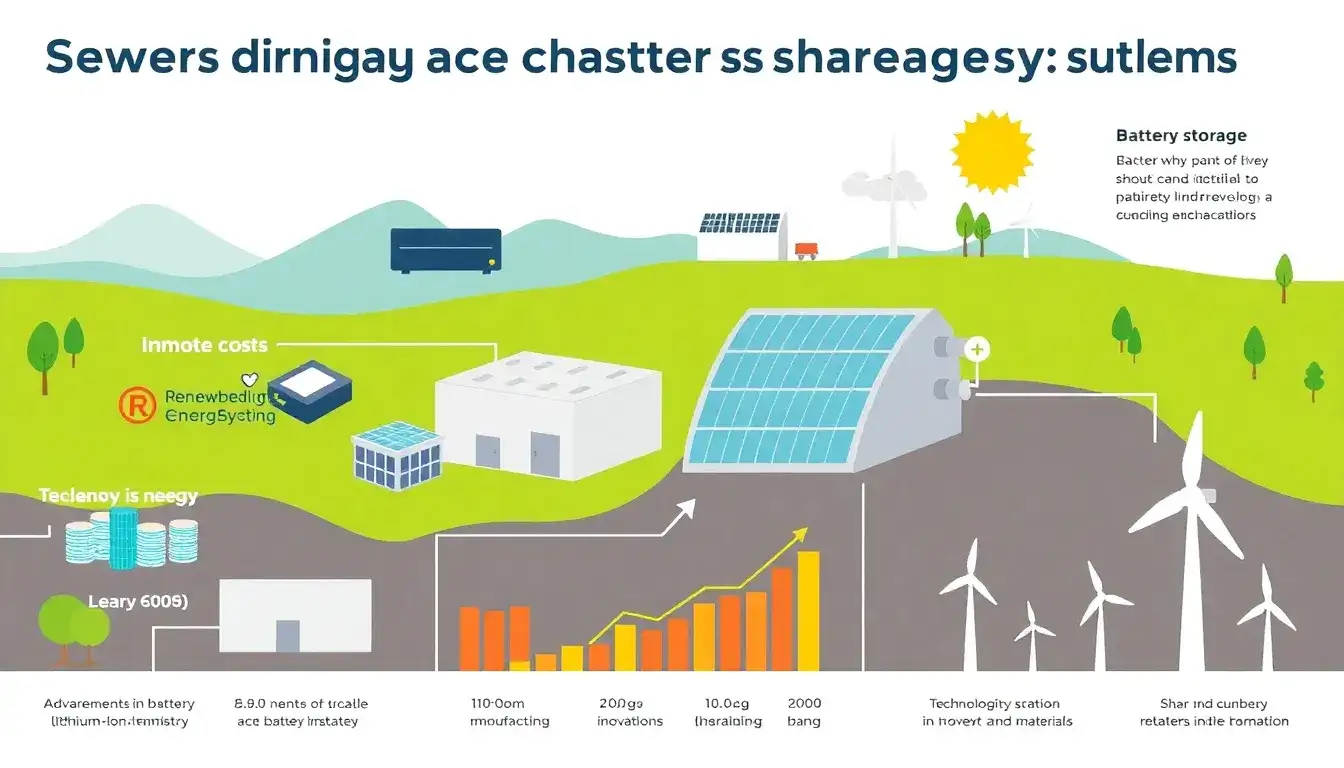
The cost reductions in battery storage systems are driven by several key factors:
Key Drivers of Cost Reductions
- Technological Innovations:
- Larger battery cell sizes allow for higher energy density and lower costs per kWh.
- New battery chemistries, such as lithium iron phosphate (LFP), reduce reliance on expensive materials like cobalt.
- Economies of Scale and Market Growth:
- Increased demand across sectors (consumer electronics, transportation, and utilities) leads to economies of scale, driving down production costs.
- Rapid market growth promotes competition and reduces prices.
- Supply Chain Improvements:
- Diversification and expansion of the supply chain result in cheaper inputs.
- Increased competition among suppliers, especially in China, contributes to lower component costs.
- Operational and Manufacturing Optimizations:
- Optimization of manufacturing facilities and processes reduces costs.
- Improved manufacturing techniques lead to higher efficiency and lower production costs.
- Regulatory and Financial Incentives:
- Government incentives, rebates, and tax credits significantly reduce upfront costs for adopters.
- These incentives encourage more widespread adoption, further driving down costs through increased demand.
- Cost Reduction in Balance of System (BOS) Components:
- Advancements and economies of scale in non-battery components (like inverters and other BOS elements) contribute to overall cost reduction.
Original article by NenPower, If reposted, please credit the source: https://nenpower.com/blog/what-factors-are-driving-the-cost-reductions-in-battery-storage-systems/

