

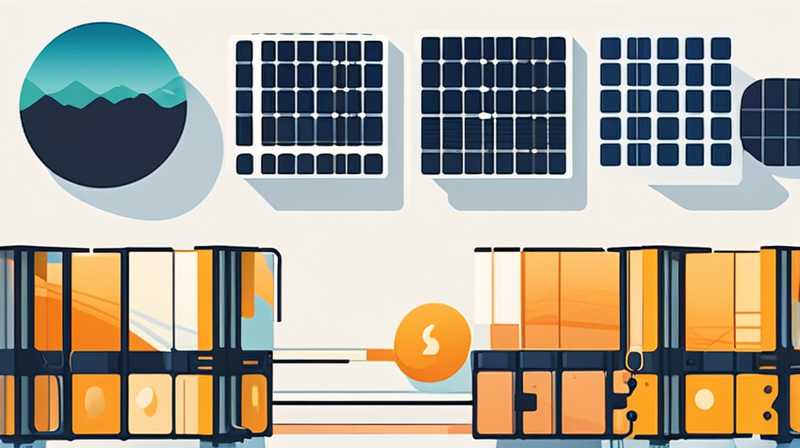
To effectively set up a solar power generation system, 1. photovoltaic (PV) panels, 2. an inverter, 3. battery storage, 4. a charge controller, 5. mounting hardware, 6. wiring and connectors, and 7. monitoring devices are essential components. Photovoltaic panels are crucial, as they convert sunlight into electricity through the photovoltaic effect, which involves the absorption of photons and the release of electrons. The materials used in solar cells determine their efficiency and power output. High-efficiency models can maximize energy production, significantly impacting the system’s overall capability.
The inverter plays a pivotal role in the conversion of direct current (DC) electricity produced by PV panels into alternating current (AC), the standard form used in homes and businesses. Battery storage systems are equally important as they store excess energy generated during sunny periods for use at night or during cloudy weather, ensuring a reliable power supply. Charge controllers regulate the energy flow from the panels to the batteries, preventing overcharging and ensuring longevity. Proper mounting hardware guarantees that the panels are securely positioned for optimal sunlight exposure. Adequate wiring and connectors are necessary to complete the circuit and connect all components effectively. Lastly, monitoring devices track the system’s performance, providing data that can lead to improved efficiency and timely maintenance.
1. PHOTOVOLTAIC (PV) PANELS
Photovoltaic panels serve as the heart of any solar power system. These panels are comprised of many solar cells which harness solar energy through a process known as the photovoltaic effect. When sunlight strikes these cells, it excites electrons and creates an electric current. The type of material used in the construction of these panels can vary, with most modern panels constructed from monocrystalline or polycrystalline silicon. Monocrystalline panels tend to be more efficient, converting a higher percentage of sunlight into usable electricity.
For proper installation, it’s critical to consider the angle and orientation of the PV panels. Ideally, they should be positioned to receive maximum sunlight throughout the day. Geographic location also plays a role in the potential solar production capacity. Regions with minimal cloud cover or prolonged sunny days generally yield better performance compared to those with constant overcast skies. Additionally, with advancements in technology, solar panels have become increasingly durable and capable of withstanding extreme weather conditions, which adds to their appeal for residential and commercial use.
2. INVERTER
After the photovoltaic panels generate electricity, the next critical component in the solar power equation is the inverter. This device is responsible for converting the direct current (DC) produced by the solar panels into alternating current (AC), which is the form of electricity used by most household appliances and the grid. There are various types of inverters, including string inverters, microinverters, and power optimizers, each suited for different setups and requirements.
A string inverter is the most commonly used type, often employed in residential systems where all panels are connected in series. While cost-effective, this setup can lead to efficiency loss if one panel is shaded or malfunctioning. On the other hand, microinverters are attached to individual panels, allowing each one to operate independently, which maximizes energy production. Choosing the appropriate inverter based on your solar panel system and energy needs is paramount to ensuring optimal performance and longevity of the system.
3. BATTERY STORAGE
Energy storage solutions have become indispensable in solar power generation, granting users the ability to store excess energy produced during peak sunlight hours. This stored energy can be utilized during nighttime or periods of low sunlight, significantly enhancing the system’s reliability. Batteries for solar energy systems often include lead-acid or lithium-ion types, each offering unique benefits and disadvantages. Lead-acid batteries are typically less expensive upfront but may require more maintenance and have shorter lifespans compared to lithium-ion solutions.
Lithium-ion batteries, on the other hand, generally possess higher efficiency, longer lifespan, and lighter weight, making them increasingly popular among consumers despite their higher initial cost. Implementing a robust battery storage solution can contribute to energy independence, enabling users to minimize reliance on the grid. Furthermore, battery technology continues to advance, leading to more effective and sustainable energy storage solutions, ensuring that solar power generation systems are increasingly viable and appealing investments for the future.
4. CHARGE CONTROLLER
Charge controllers are vital components that regulate the flow of electricity between solar panels and battery storage systems. They serve to ensure that batteries are charged efficiently while also protecting them from overcharging, which can lead to significantly shorten battery life. These devices can vary in complexity, from basic models that turn on and off the charging process to advanced smart controllers that monitor the state of the battery and adjust the charging process accordingly.
Selecting a suitable charge controller based on the system size and battery type is crucial. PWM (Pulse Width Modulation) and MPPT (Maximum Power Point Tracking) are two primary types of charge controllers. PWM charges batteries at a constant voltage, which may not fully utilize the panel’s yields, particularly in larger systems. In contrast, MPPT controllers are more sophisticated, dynamically adjusting the voltage and current to optimize power output from the panels as well as ensuring that batteries are charged more effectively and efficiently.
5. MOUNTING HARDWARE
The mounting hardware is a critical aspect of solar installations, as it provides the physical structure necessary to secure the photovoltaic panels in place. There are different types of mounting systems available, including roof-mounted, ground-mounted, and pole-mounted configurations. Each option offers its own advantages and is suitable for various types of installations based on available space, local climate, and specific energy needs.
Selecting the appropriate mounting hardware requires careful consideration of factors such as wind load, roof type, and panel orientation to ensure optimal sun exposure. Properly installed mounting hardware not only enhances the system’s performance but also prolongs the lifespan of the solar panels by minimizing the risk of damage from environmental elements. Furthermore, to maintain efficiency, periodic inspections are recommended to ensure that all hardware remains secure and that panels are free from debris.
6. WIRING AND CONNECTORS
The wiring and connectors used within a solar power system are indispensable in ensuring that electricity flows smoothly throughout the entire setup. Appropriate wiring must be selected based on the voltage and current capabilities of the system, with thicker cables used for longer runs to minimize voltage drops. Moreover, wiring should be rated for outdoor use to withstand various weather conditions and UV exposure.
Additionally, connectors such as MC4 connectors are commonly used in solar installations due to their reliability and ease of use. They allow for simple and secure connections between panels and can facilitate disconnection when necessary for maintenance or upgrades. Using quality wiring and connectors not only enhances safety by reducing risks of electrical faults but also contributes to the overall effectiveness of the solar power generation system, promoting consistent energy production.
7. MONITORING DEVICES
Monitoring devices play a significant role in maintaining the efficiency and effectiveness of solar power generation systems. These devices provide real-time data regarding energy production, consumption patterns, and the overall health of the solar setup. With the advent of smart technology, many modern systems come equipped with monitoring solutions that allow users to track their solar energy output remotely through apps and dashboards, providing valuable insights into energy efficiency over time.
Having access to performance data is invaluable for users aiming to optimize their systems. It aids in identifying potential issues early and helps in making informed decisions regarding energy use. Moreover, some monitoring systems provide alerts and notifications for any significant discrepancies in expected output, ensuring that any needed maintenance can be conducted in a timely manner. Ultimately, investing in reliable monitoring devices contributes to a more efficient and effective solar power generation system, allowing users to maximize their energy savings.
FREQUENTLY ASKED QUESTIONS
WHAT IS THE COST OF INSTALLING A SOLAR POWER SYSTEM?
The overall cost of installing a solar power generation system can vary significantly based on a multitude of factors including system size, component choice, and installation location. Typically, the cost includes photovoltaic panels, inverters, mounting hardware, battery storage (if included), and installation labor. On average, residential systems can range from $15,000 to $30,000 before any applicable tax credits or incentives. Variables that impact these costs may include the type of solar panels selected—higher-efficiency panels tend to come with a premium price tag—or the complexity of the installation site.
In addition to the initial investment, it is important to consider the long-term financial implications of going solar. Many homeowners experience savings on their electricity bills, especially in areas with high utility rates. Some states and local governments offer incentives such as rebates, grants, or tax credits that can significantly lower upfront costs, further improving the financial case for solar energy adoption. Consulting with a solar energy provider can help consumers get a clearer picture of the full range of costs associated with their specific project.
HOW MUCH ENERGY CAN A SOLAR POWER SYSTEM GENERATE?
The amount of energy generated by a solar power generation system is influenced by multiple factors including the size of the system, geographical location, and the efficiency of the solar panels installed. Typically measured in kilowatts (kW), a standard residential solar panel installation might range from 5 kW to 10 kW. Each kW can generate a varying amount of energy depending on how much sunlight it receives, which is often referred to as “solar insolation”.
Higher solar insolation levels, such as those found in sunnier regions, lead to increased energy production. For example, a 6 kW system in a location with an average of four peak sun hours daily can produce approximately 24 kWh per day, whereas the same system in an area receiving only three peak sun hours might yield only 18 kWh. It is essential for users to work closely with their solar provider to assess their specific energy needs and evaluate the expected production capabilities of their chosen solar installation.
HOW LONG DOES A SOLAR PANEL LAST?
Solar panels are designed to be remarkably durable and typically come with warranties that guarantee their performance for 25 years or more. In practical terms, many high-quality solar panels can continue to produce electricity beyond their warranty periods, although at a diminished efficiency. Most manufacturers provide performance guarantees indicating that after 25 years, panels should still generate approximately 80-90% of their stated capacity.
Factors that can impact the longevity of solar panels include environmental conditions, quality of installation, and maintenance practices. Harsh weather conditions, such as hail, snow, or extreme temperatures, can challenge even the best solar panels, but most are built to withstand various environmental stresses. Regularly cleaning the panels and checking for any blockages, as well as ensuring proper installation, can significantly contribute to the panels’ performance and lifespan.
Final Thoughts
Investing in a solar power generation system comes with multiple benefits, both environmental and economic. The primary components needed for such a setup include photovoltaic panels, an inverter, battery storage, a charge controller, mounting hardware, wiring and connectors, and monitoring devices, all of which work in tandem to harness solar energy effectively. Each of these elements plays a critical role in the entire functioning of the system, making it imperative to select the right components based on individual requirements.
For those contemplating a shift to solar energy, the financial incentives combined with an increasing emphasis on renewable resources present a unique opportunity. Solar energy has seen significant advancements, which not only make it more accessible but also increasingly cost-effective in the long run. As technology continues to advance, it holds promise in boosting efficiency and comfort, transforming how energy is harnessed and utilized worldwide.
Furthermore, understanding the nuances of solar technology, the implications of various components, and making informed decisions is essential. Engaging with reputable solar energy providers can help potential users navigate their choices, tailor systems to meet their needs, and ultimately make the transition smoother.
Choosing solar power is a proactive step towards sustainability and energy independence, offering resilience against fluctuating energy costs while contributing to a greener planet. As the world shifts focus towards renewable energy sources, becoming part of this movement not only nurtures one’s environment but also positions one ahead in the increasingly energy-smart future. Therefore, aligning with this trend is beneficial for both individuals and communities at large.
Original article by NenPower, If reposted, please credit the source: https://nenpower.com/blog/what-equipment-is-needed-for-solar-power-generation-2/

