

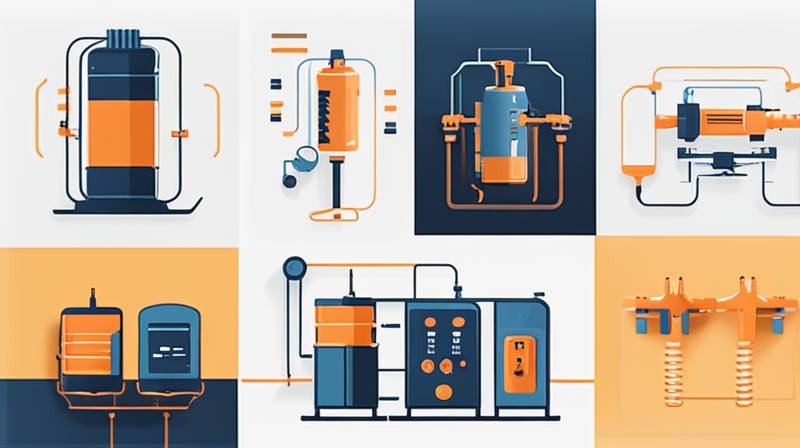
To successfully initiate energy storage projects, various equipment is crucial. 1. Battery technology, 2. Power management systems, 3. Inverters and converters, 4. Monitoring and control systems, 5. Safety equipment. Each of these components plays a significant role in ensuring efficiency and reliability in energy storage solutions. For instance, battery technology is a focal point: it determines the type, capacity, and lifespan of the storage system, influencing overall project feasibility and cost-effectiveness. The selection of the appropriate battery technology, whether lithium-ion, flow batteries, or others, is foundational to the performance of energy storage projects.
1. BATTERY TECHNOLOGY
Battery technology stands at the forefront of energy storage innovation. The journey toward harnessing renewable energy effectively is inherently linked to advancements in battery systems. Lithium-ion batteries, for instance, have surged in popularity due to their high energy density and low self-discharge rates. This technology is essential for integrating renewable energies, providing rapid response capabilities that traditional energy sources cannot match. The ability to store energy generated during peak production periods and release it during times of high demand exemplifies the strategic advantages of employing lithium-ion systems in energy storage projects.
However, lithium-ion is not the only player in this dynamic field. Lead-acid batteries have a long-established history and are cost-effective solutions for certain applications, especially where initial capital investments require maximization. While they typically offer lower energy density and shorter life cycles compared to lithium-ion counterparts, their robustness and established infrastructure keep them relevant. Recent developments in flow batteries, particularly vanadium redox systems, present an exciting alternative. These batteries allow for scalable energy storage solutions and can be cycled extensively without degrading, which is ideal for large-scale energy applications. Understanding the characteristics, advantages, and limitations of each type of battery technology is critical for tailored energy storage solutions.
2. POWER MANAGEMENT SYSTEMS
Power management systems play a significant role in energy storage projects, acting as the brain that coordinates energy flow. Incorporating sophisticated algorithms and software, these systems ensure that energy is utilized optimally, balancing supply and demand effectively. The sophistication of power management systems allows for real-time decision-making, such as when to charge or discharge the battery, optimizing efficiency and prolonging battery life. These systems can integrate data from unpredictable sources such as wind and solar, facilitating smoother operations in energy generation from renewable sources.
Moreover, advanced power management systems contribute to grid stability. Grid resilience becomes increasingly vital as renewable energy sources proliferate on electric grids. Power management tools include energy management systems (EMS), which offer visibility into the energy flow, enabling users to manage energy consumption wisely and efficiently. This technology helps balance the varying demands of the grid while reducing costs associated with peak demand. Additionally, predictive analytics can evaluate past usage patterns to better prepare for future demands, streamlining the overall energy storage operation.
3. INVERTERS AND CONVERTERS
Inverters and converters form a crucial backbone in energy storage projects. They facilitate the conversion of direct current (DC) produced and stored in batteries into alternating current (AC), the form used by household appliances and the electric grid. The quality and capacity of inverters can greatly influence overall system performance. High-efficiency inverters ensure minimal energy loss during conversion, which can be pivotal in maximizing the utility of stored energy. Innovative inverter designs incorporate smart technology to not only convert energy but also regulate the flow and enhance system reliability.
In addition to their primary functions, modern inverters often come equipped with features such as grid support capabilities. These advancements enable them to provide critical services to the electric grid, such as frequency control and voltage support, which are essential for maintaining grid stability as more renewables are integrated. Furthermore, centralized versus decentralized inverter configurations yield different benefits depending on the scale of the energy storage project. Detailed understanding of these configurations aids in making informed design choices that align with specific project goals and requirements.
4. MONITORING AND CONTROL SYSTEMS
The implementation of monitoring and control systems is vital to safeguarding energy storage efficiency. These systems allow stakeholders to keep a pulse on performance metrics, providing real-time insights into everything from charge/discharge cycles to system temperature and overall health. Data analytics functionality within these systems can predict potential failures or performance drops, enabling proactive maintenance that can avert costly downtime. Regular monitoring thus furnishes operators with the ability to optimize the life span and performance of energy storage infrastructures.
In addition to performance tracking, control systems facilitate operational automation. With smart technology integration, these systems can adjust charging rates based on demand forecasts, automatically switching energy flows to best serve system efficiency. The benefits of such dynamic adjustments are compounded in larger systems, where traditional manual operations might falter under complexity. The decision-making algorithms behind modern monitoring and control systems often leverage predictive data, further enhancing adaptive capacity. As the energy landscape continues to evolve, these systems will remain influential in transitioning toward a more efficient and responsive energy storage paradigm.
5. SAFETY EQUIPMENT
Safety in energy storage project implementations cannot be underestimated. The risks associated with battery technology—ranging from thermal runaway in lithium-ion systems to electrolyte leaks in liquid batteries—necessitate the incorporation of comprehensive safety measures. Fire suppression systems tailored to the chemical compositions involved in energy storage are a primary component of safety protocols. When working with lithium-ion systems, for instance, specific extinguishing agents may be required due to the chemical reactions that can occur during a fire incident.
Furthermore, personal protective equipment (PPE) for personnel working in such environments is crucial. It encompasses everything from flame-resistant clothing to eye protection, ensuring the safety of their workers while preventing accidents. Regular safety audits and training sessions also play a significant role in minimizing risk; educating staff about potential hazards and response techniques empowers teams to react effectively in emergencies. Ultimately, a culture of safety, supported by robust equipment and training protocols, underpins the success of energy storage endeavors.
FREQUENTLY ASKED QUESTIONS
WHAT TYPE OF BATTERY IS BEST FOR ENERGY STORAGE PROJECTS?
Determining the most suitable battery type for energy storage endeavors is contingent upon various factors, including energy capacity, budget, and anticipated usage scenarios. Lithium-ion batteries are widely regarded as the optimal choice for their energy density and adaptability. They are particularly beneficial for applications requiring quick charge and discharge rates. However, emerging technologies, such as flow batteries, provide options that extend the longevity of energy cycles and may be more cost-effective for larger projects in the long run.
While lead-acid batteries have a significantly lower initial investment, their higher maintenance and shorter life span can offset their upfront costs over time. It’s essential to evaluate the specific application needs, installation size, and other constraints such as temperature and depth of discharge to ascertain the ideal battery selection for any energy storage project.
HOW DOES INVERTER CHOICE AFFECT SYSTEM PERFORMANCE?
The choice of inverter is pivotal to the efficacy of energy storage systems. High-quality inverters ensure minimal energy loss during the conversion process, which affects overall system efficiency directly. An inverter’s capabilities to manage power flow and support grid functions, such as frequency regulation and voltage stabilization, further underscore its importance in system performance.
Moreover, an inverter’s integration with intelligent control systems can significantly enhance system responsiveness and flexibility, enabling it to adapt to changing grid signals effectively. Such attributes are particularly crucial in renewable energy scenarios, where energy availability fluctuates. Hence, selecting the right inverter is crucial to achieving an efficient, resilient energy storage project.
WHAT ROLE DO POWER MANAGEMENT SYSTEMS PLAY IN ENERGY STORAGE?
Power management systems serve as the operational nerve center of energy storage projects. Their primary function revolves around optimizing energy flow to ensure supply meets demand efficiently. By analyzing real-time data, these systems adjust charging and discharging activities to maximize overall energy utilization, reducing waste and enhancing project viability.
Furthermore, sophisticated power management tools can facilitate the integration of intermittent renewable energy sources, allowing for smoother operations and cost savings during periods of high energy demand. They play a significant role in maintaining grid stability as energy policies increasingly favor renewable energy deployments. As a result, these systems are indispensable for any modern energy storage operation.
A comprehensive examination of equipment essential for energy storage projects reveals significant depth in each component’s importance. The appropriateness of battery technology determines not only the scalability of a project but heavily influences overall performance. As energy needs evolve, the role of advanced systems in managing energy flows cannot be overstated, paving the way for greater integration of renewable sources. Moreover, safety measures and effective use of inverters and monitoring tools complement these systems to create a cohesive storage solution. Recognizing that the energy landscape is continuously morphing, stakeholders must stay informed and innovative in their approach to energy storage. Embracing cutting-edge technology and smart solutions plays a critical role in unlocking the full potential of energy storage projects, fulfilling both present and future energy needs efficiently.
Original article by NenPower, If reposted, please credit the source: https://nenpower.com/blog/what-equipment-is-needed-for-energy-storage-projects/

