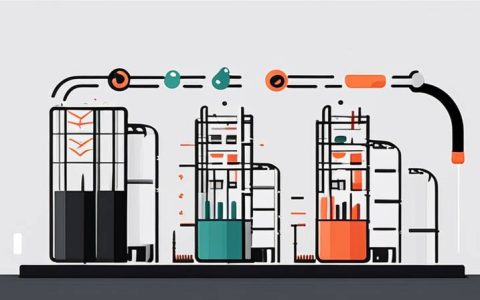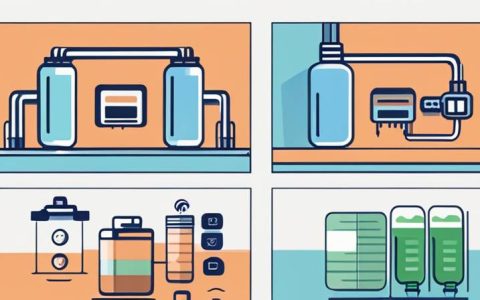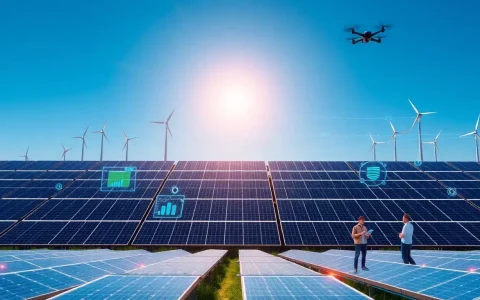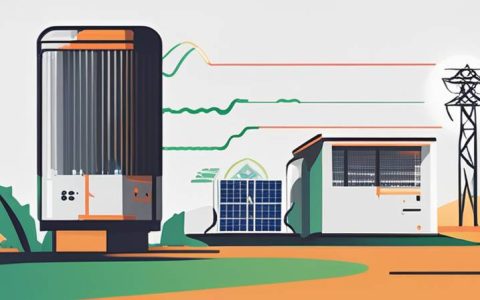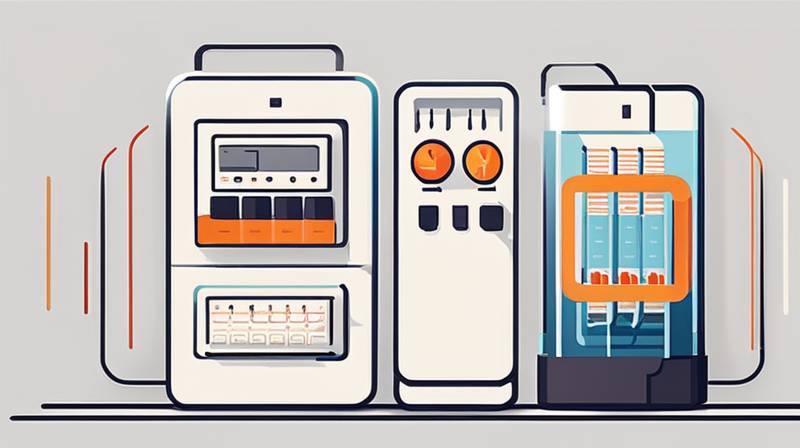
An energy storage system comprises various essential components that work in unison to capture and store energy for later use, ensuring efficiency and reliability. The primary components include 1. batteries or energy storage technologies responsible for storing the electrical energy, 2. inverters and converters which manage power flow and convert direct current (DC) to alternating current (AC), 3. power management systems for optimizing the performance and enhancing control, and 4. supportive infrastructure like racks and enclosures to protect the equipment. Notably, batteries are foundational as they determine the capacity and longevity of the entire system and can vary significantly based on the technology used, such as lithium-ion or lead-acid batteries.
1. COMPONENTS OF ENERGY STORAGE SYSTEMS
INTRODUCTION TO ENERGY STORAGE TECHNOLOGIES
A crucial aspect of modern energy management revolves around the capability to store excess energy. Energy storage technologies have emerged as pivotal components that enable the transition from traditional power generation to renewable energy integration. Different types of energy storage have their unique characteristics, advantages, and limitations. Among the most significant are batteries, which can be classified into various categories, including lithium-ion, flow batteries, lead-acid batteries, and others. Each type offers distinct benefits, such as energy density, cycle life, and charging efficiency. Their deployment is especially crucial for stabilizing grid operations and ensuring that energy supply aligns effectively with demand.
Moreover, the choice of energy storage technology often aligns with the application and requirements of the end-users. Some applications necessitate rapid response times and high power output, while others prioritize long-duration energy discharge. Therefore, understanding these differences is essential for selecting the appropriate energy storage systems suited for specific requirements.
CREATION OF A MODERN ENERGY GRID
As nations strive toward cleaner energy, institutions are increasingly incorporating energy storage systems into the grid infrastructure for enhanced reliability and efficiency. This integration supports the gradual transition from fossil fuels to renewable energy sources, contributing to decarbonization efforts. The design of modern grid systems involves advanced technologies aiming to optimize energy usage while providing quick responses to fluctuations in supply and demand.
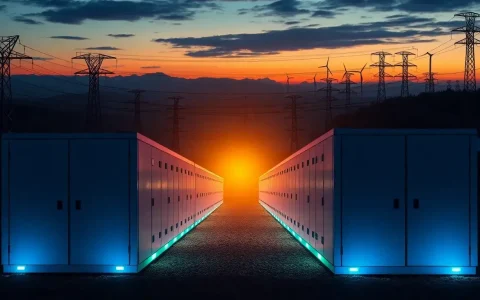
Grid-scale battery systems have become increasingly prevalent, serving as significant mechanisms to manage voltage fluctuations and frequency regulation on the grid. These systems complement renewable generation by storing excess electricity generated during peak production periods, especially in wind and solar energy applications. With this capability, energy storage systems help prevent blackouts and maintain the stability of the electrical grid.
2. ESSENTIAL EQUIPMENT IN ENERGY STORAGE SYSTEMS
BATTERIES: THE HEART OF ENERGY STORAGE
At the core of any energy storage system, batteries serve as the primary medium for energy storage. They chemically convert electricity into stored energy and later revert it back to electricity when needed. Varieties of batteries are tailored to different needs, with lithium-ion batteries being favored for their compactness and high energy density. This specific type of battery offers quicker charge and discharge times, making it ideal for applications that demand quick energy release.
Lead-acid batteries, a more traditional technology, are still widely utilized in applications requiring lower initial investment and reliability over short durations. Flow batteries have also gained attention for their scalability and duration capabilities, particularly beneficial for large-scale storage solutions that contribute to energy resilience in community grids and commercial sectors. The selection of appropriate battery technology hinges on evaluating multiple factors such as performance, longevity, cost, and environmental impact.
INVERTERS AND POWER CONVERTERS
While batteries are the cornerstone of energy storage technologies, inverters and power converters function as the system’s control mechanisms, transforming stored DC (direct current) energy into AC (alternating current) suitable for most of today’s electrical appliances and industry demands. Inverters also facilitate interaction between the storage system and the grid, ensuring seamless energy flow when energy supply or demand changes.
Inverters are equipped with several technological advancements that enhance system performance, allowing them to adjust in real time to changes in electricity supply and demand. These devices are capable of executing smart grid functionalities that align renewable energy generation with real-time consumption needs. Consequently, they play a central role in stabilizing the grid by helping manage voltage and frequency.
3. POWER MANAGEMENT SYSTEMS
OPTIMIZATION OF ENERGY FLOW
Integral to the success of energy storage systems, power management systems offer functionalities that monitor, control, and optimize energy flow within the system. These sophisticated systems ensure that the energy generated, stored, and utilized is managed effectively to enhance overall performance. By employing algorithms that analyze energy usage patterns, power management systems can determine the best times to store excess energy or release stored energy back into the grid.
Moreover, these systems can communicate with various energy sources and loads, offering a decentralized management approach. By enabling demand-side response, power management systems maximize the efficiency of energy consumption while also significantly reducing costs for users. Through effective energy management, facilities can lower their carbon footprint and advance their sustainability targets.
MAINTENANCE OF SYSTEM RELIABILITY
On top of energy flow optimization, power management systems guarantee the reliability of energy storage systems. These systems manage health monitoring for batteries, tracking performance indicators that signal potential issues or inadequacies. This preemptive approach to maintenance significantly reduces downtime and enhances the operational life of the equipment.
Furthermore, the integration of internet connectivity and advanced analytics permits ongoing monitoring of performance metrics remotely. Such capabilities enable timely interventions and informed decision-making, ensuring the energy storage systems operate at peak efficiency without unwarranted disruptions.
4. SUPPORTIVE INFRASTRUCTURE
RACKING AND ENCLOSURE SYSTEMS
While the aforementioned components are essential, the supportive infrastructure of energy storage systems such as racking systems and enclosures also deserves mention. These elements provide physical support for the storage arrays, ensuring optimal organization and heat dissipation. Structures need to be designed to handle the significant weight of battery systems while also enabling ease of access for maintenance.
Environmental considerations also play a vital role. The enclosures for batteries must be designed with adequate ventilation to prevent overheating. Additionally, they protect the batteries from external environmental factors such as moisture or dust, which could degrade performance over time. Thus, proper design and placement for both racking and enclosure systems contribute greatly to the overall efficiency and longevity of energy storage systems.
SAFETY AND COMPLIANCE MEASURES
Ensuring safety within energy storage systems cannot be overstated. Diverse components, notably batteries, can present hazards if not managed correctly. Therefore, safety measures such as thermal management, fire suppression systems, and containment structures are critical for preventing accidents and ensuring regulatory compliance. Leading manufacturers often conduct extensive tests to adhere to international safety standards, imparting confidence to users regarding their systems’ reliability.
Moreover, frequent evaluations help identify possible risks stemming from equipment failure, offering opportunities to take preventive measures. Continuous monitoring of various performance aspects ensures that all elements of the energy storage system operate within their specified parameters, limiting risks and maximizing performance.
FREQUENTLY ASKED QUESTIONS
WHAT ARE THE PRIMARY FUNCTIONS OF AN ENERGY STORAGE SYSTEM?
Energy storage systems primarily function to capture, store, and subsequently release energy when needed. The systems are invaluable for balancing supply and demand in electrical grids, accommodating fluctuations due to varying energy production from renewable sources such as solar and wind. They allow for the utilization of excess energy during low demand periods, enhancing grid reliability and stability. Furthermore, energy storage systems contribute to the optimization of electricity costs, enabling users to harness lower energy prices during off-peak hours. These systems have gained prominence in promoting sustainability by reducing dependency on fossil fuels, acting as a vital component in processes aimed at mitigating climate change.
HOW DOES A BATTERY WORK IN AN ENERGY STORAGE SYSTEM?
In an energy storage system, a battery operates by storing electrical energy chemically for future use. During charging, electrical energy is converted into chemical energy and stored within the battery cells. Once discharging is initiated, the battery undergoes a reverse reaction, converting the stored chemical energy back into electrical energy. Various battery types, such as lithium-ion, lead-acid, and flow batteries, exhibit different charging and discharging behaviors, impacting their suitability for diverse applications. In practical terms, energy storage systems equipped with batteries provide significant benefits by ensuring that energy generated from intermittent renewable sources can be utilized when demand is high. Consequently, batteries serve as a critical link between renewable generation and consumer usage.
WHAT ADVANTAGES DO POWER MANAGEMENT SYSTEMS BRING TO ENERGY STORAGE?
Power management systems confer several critical advantages to energy storage systems, exemplified by improved efficiency and effective operational control. These advanced systems optimally manage the flow of stored and generated energy, ensuring that energy is utilized where and when it is needed most. Additionally, they facilitate demand response capabilities, which enable consumers to benefit from lower costs associated with off-peak energy use. The presence of power management systems also allows for real-time analysis and monitoring of energy usage patterns, enabling predictive analytics that optimize performance and extend equipment lifespan. Furthermore, the integration of smart technology enhances user engagement and empowers individuals and businesses to take control of their energy consumption, contributing to greater sustainability efforts.
A robust energy storage system encompasses various sophisticated components, creating an intricate web of functions essential for modern energy solutions. These components work synergistically to capture, store, and distribute energy efficiently. At the heart of these systems lies the battery, a pivotal player in determining performance and longevity. Various battery technologies exist, each with unique benefits, catering to diverse applications that require energy management. The role of inverters and power converters cannot be understated, as they facilitate the interaction between stored energy and end-users while ensuring optimal energy flow. Complementing these primary components, power management systems provide critical oversight, maximizing efficiency while maintaining reliability and minimizing operational risks. Furthermore, supportive infrastructure preserves the integrity of the entire system, contributing to sustainability and safety protocols. Energy storage systems ultimately enhance grid stability and reliability, positioning them as integral to the future of energy use and management in a progressively renewable world. Understanding each component’s roles and functions allows stakeholders to implement more efficient and reliable energy solutions in businesses, communities, and nations.
Original article by NenPower, If reposted, please credit the source: https://nenpower.com/blog/what-equipment-does-the-energy-storage-system-have/