

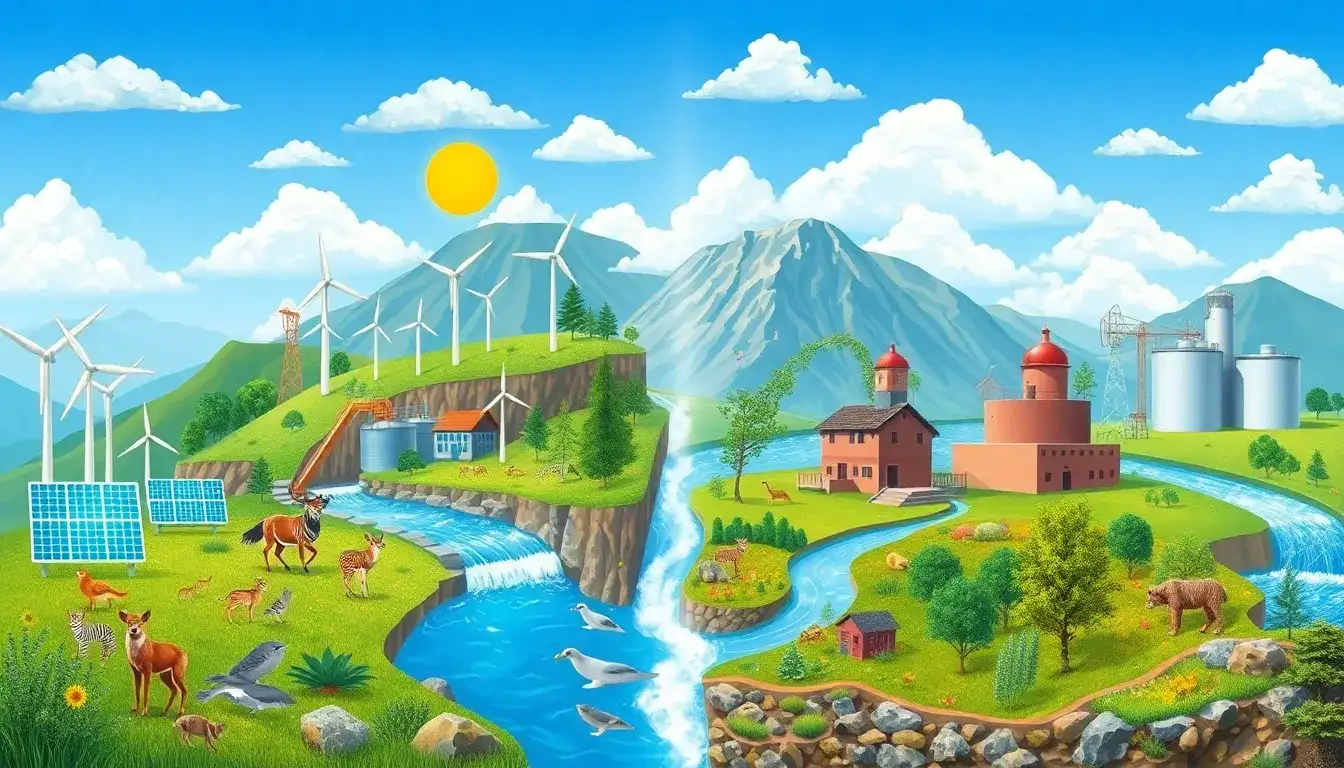
Different energy storage technologies have varying environmental impacts that depend on their type, scale, and stage of development. Generally, energy storage systems play a positive role in enhancing grid stability and facilitating the integration of renewable energy sources, which reduces reliance on fossil fuels and lowers carbon dioxide emissions and air pollution.
Common Environmental Impacts Across Technologies
- Resource Extraction: Many storage technologies, especially battery systems, require mining of metals and minerals, which leads to resource depletion, habitat disruption, and pollution from mining activities.
- Water Use: Some storage technologies use significant amounts of water for ore processing, cooling, or salt cavern creation, potentially impacting local water resources.
- Chemical and Material Risks: Technologies may involve the use of persistent, bioaccumulative, and toxic substances. In the event of accidents such as fires or floods, harmful materials may be released into the environment.
- Subsurface Effects: Technologies involving underground storage (e.g., compressed air, hydrogen, or pumped hydro storage) can cause microbial activity changes, thermal, geochemical, and geomechanical impacts, with possible leakage of gases like hydrogen or ammonia.
- Waste Generation: Disposal of materials such as battery components and brine from salt caverns presents environmental challenges.
Specific Considerations by Technology Type
- Battery Energy Storage Systems: These are the most advanced and widely deployed. The environmental footprint includes greenhouse gas emissions from manufacturing, risks from mining raw materials like lithium and cobalt, and challenges in end-of-life recycling. Sustainable practices such as responsible sourcing, recycling, and second-life applications are essential to mitigate impacts.
- Compressed Air and Underground Storage: At earlier development stages, these technologies pose risks related to subsurface integrity, leakage, and brine disposal. They may also require careful management of water and chemical use.
- Other Technologies (e.g., Pumped Hydro, Thermal Storage): These can impact land use and water resources but typically involve fewer toxic materials compared to batteries.
Social and Regulatory Aspects
Public perception tends to be more favorable when storage technologies are linked with renewable energy and local job creation, but safety concerns exist, especially for batteries and underground storage.
Regulatory guidance and environmental management are crucial to address and mitigate the varying impacts as these technologies scale up.
In summary, while energy storage technologies enable cleaner energy systems and reduce emissions, they bring environmental challenges primarily related to resource extraction, water use, chemical risks, and waste. Careful lifecycle management, sustainable sourcing, recycling, and robust regulation are needed to optimize their environmental benefits and minimize adverse impacts.
Original article by NenPower, If reposted, please credit the source: https://nenpower.com/blog/what-environmental-impacts-do-different-energy-storage-technologies-have/

