

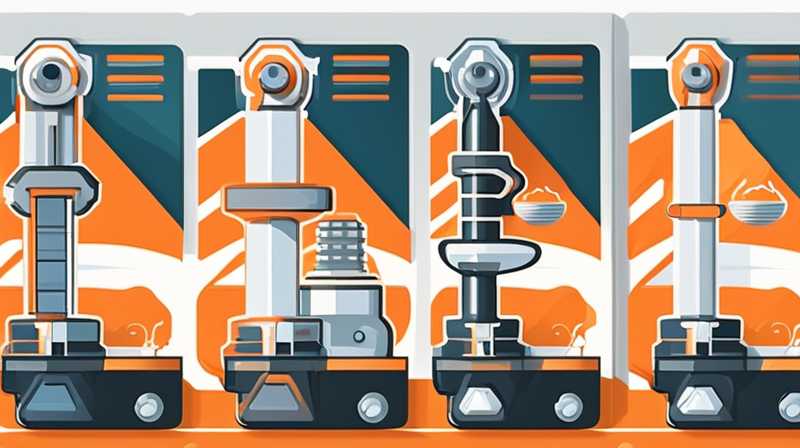
1. The appearance of the valve under a solar panel varies according to its design and function, generally resembling a compact cylindrical or rectangular component, often situated within the solar mounting system. 2. The valve might incorporate various features such as flow control mechanisms, pressure gauges, or automatic shut-off capabilities. 3. Its construction typically employs durable materials such as plastic or metal to withstand outdoor elements. 4. Additionally, the valve may include fittings or connectors for piping, facilitating the integration of the solar installation with existing plumbing or CO2 systems.
UNDERSTANDING VALVES IN SOLAR PANEL SYSTEMS
Solar energy systems are becoming increasingly popular due to their capacity to harness renewable energy and contribute to energy sustainability. Within these systems, various components are essential for efficient operation. A frequently discussed part is the valve located beneath solar panels. This component is vital for regulating fluid flow, managing pressure, and providing safety features.
1.1 FUNCTIONALITY OF VALVES
Valves serve numerous purposes in a solar panel setup, notably in solar water heating systems. They are responsible for controlling the flow of heat transfer fluids or water circulating between the solar collectors and storage tanks. In many systems, valves play a crucial role in maintaining optimal fluid levels and preventing overheating. For instance, when a specific temperature threshold is exceeded, a valve can automatically shut, safeguarding the system from potential damage.
1.2 TYPES OF VALVES
Several types of valves might be employed in a solar installation. Common examples include ball valves, gate valves, and check valves. Each type has distinct advantages and applications. Ball valves, known for their durability and full-flow capacity, are often favored for their ease of operation and reliable sealing capabilities. Conversely, check valves are essential for preventing backflow, ensuring that the heat transfer fluid circulates in one direction, which is critical for maintaining system efficiency.
VALVE MATERIALS AND DESIGN
The construction of valves used in solar panel systems is crucial for long-term performance and durability. Given the outdoor environment where these systems operate, the choice of materials significantly influences the valve’s lifespan and efficiency.
2.1 MATERIAL SELECTION
Typically, valves are crafted from rugged materials such as brass, stainless steel, or high-grade plastic. Brass and stainless steel are frequently used due to their resistance to corrosion and tarnishing, which is essential in systems exposed to varying weather conditions for extended periods. Plastic valves may also be an option due to their lightweight nature and resistance to certain chemicals, although they might not match the durability of metal counterparts in harsh environments.
2.2 DESIGN CONSIDERATIONS
The valve’s design also impacts its functionality. Factors such as size, threading, and the inclusion of pressure relief mechanisms contribute to the overall effectiveness of the component. Designers must ensure that valves fit seamlessly within the mounting structure and can withstand vibrations, thermal expansion, and the pressure exerted by the circulating fluid. Such considerations are paramount for ensuring that all components of the solar energy system work harmoniously.
INSTALLATION AND MAINTENANCE
Proper installation of valves in solar panel systems is critically important to ensure long-term reliability. Professionals typically conduct the installation, leveraging best practices to optimize system performance.
3.1 INSTALLATION PRACTICES
When installing valves, several best practices should be adhered to. For instance, the location of the valve should allow easy access for maintenance and inspections. Pipe fittings must be compatible with the valve to avoid leaks, ensuring that appropriate sealing compounds or Teflon tapes are utilized. Further, securing valves properly to the mounting structure is essential, as this prevents movement that may lead to wear and tear over time. Design considerations should focus on simplifying future repairs or replacements.
3.2 ROUTINE MAINTENANCE
Maintaining valves is equally important in prolonging the life of solar energy systems. Regular inspections should be part of routine maintenance, focusing on identifying leaks and ensuring that each component operates as expected. System operators should check and replace any worn seals or gaskets, as these components are prone to deterioration. Moreover, flushing the system periodically helps remove debris that may accumulate, which can affect fluid flow and overall efficiency.
IMPACT ON SYSTEM PERFORMANCE
The valve’s performance profoundly influences the overall efficiency of solar energy systems. Any issues such as leaks, blockages, or mechanical failures can hinder energy capture and utilization.
4.1 EFFICIENCY METRICS
A correctly functioning valve ensures optimal fluid flow, allowing heat exchange at peak efficiency. When valves malfunction, the entire system may experience a drop in performance, leading to lower energy output. Metrics like temperature differential and flow rate are essential for quantifying the effectiveness of the valve. Electrical meters or flow gauges can provide vital information about system performance while allowing operators to make informed adjustments to improve energy capture.
4.2 TROUBLESHOOTING COMMON ISSUES
Identifying problems related to valve performance may require careful evaluation. For example, if the temperature of the fluid is abnormal or the solar collectors are not producing expected amounts of energy, a thorough inspection of the valves should be initiated. Blockages caused by accumulated debris can be a significant issue; thus, ensuring that the valve housing is clean and free from contaminants is necessary to maintain flow.
TRENDS AND INNOVATIONS
The field of solar energy technology is ever-evolving, with manufacturers continually enhancing components to improve efficiency and sustainability.
5.1 ADVANCEMENTS IN VALVE DESIGN
Recent innovations in the design and materials of valves have led to significant improvements in their functionality. Simplified components that are easier to manufacture and install are becoming common, aimed at reducing costs and improving accessibility. Moreover, advancements in smart technology have allowed valves to be integrated with digital sensors, enabling real-time monitoring and control. Such technologies can enhance efficiency and prevent potential issues through immediate alerts regarding irregularities in performance.
5.2 ENVIRONMENTAL CONSIDERATIONS
The move towards sustainable materials in valve manufacturing is gaining momentum. Companies are increasingly exploring biodegradable plastics and recycled metals to minimize environmental impact. Implementing eco-friendly practices across the supply chain not only meets consumer demand for greener products but also aligns with the overall objectives of transitioning towards sustainable energy sources.
FREQUENTLY ASKED QUESTIONS
WHAT IS THE PRIMARY FUNCTION OF A VALVE IN A SOLAR SYSTEM?
Valves in solar systems primarily control the flow of fluids that transport heat from collectors to storage tanks. They ensure that the system operates efficiently, allowing for proper heat exchange while preventing overheating scenarios. One typical use occurs in solar water heating systems to maintain a steady thermal output. In such systems, valves automatically adjust fluid flow based on temperature readings. This automatic regulation maintains system integrity and peak performance, preventing excessive fluid movement, which could lead to inefficiencies or overpressure situations.
Proper operation of valves also prevents potential safety hazards, as they help regulate conditions within the unit. In instances where pressure exceeds certain limits, the valve will close, averting potential damage or system failures. In some designs, valves also facilitate maintenance by enabling the system to be isolated for repairs without requiring a complete shutdown. This operational flexibility not only aids in maintaining the longevity and efficiency of the system but also enhances the overall user experience.
HOW OFTEN SHOULD VALVES BE MAINTAINED OR INSPECTED?
Regular maintenance of valves in solar systems should occur at least once a year, although more frequent inspections are advisable depending on environmental conditions and system load. Factors affecting maintenance frequency include the geographical location, weather conditions, and the specific type of fluid circulating in the system. In regions subject to freezing temperatures or high sediment levels, proactive measures may be necessary to prevent valve failures and associated inefficiencies.
During an inspection, operators should check for leaks, corrosion, or wear and tear on fittings. Internal components such as seals and gaskets should also be examined and replaced as needed. Ensuring that valves remain clean and functional not only minimizes the risk of operational issues but also extends the lifespan of solar energy systems. Involving experienced technicians who understand nuanced aspects of valve operations can further enhance performance, achieving complete systems management and reducing downtime.
ARE THERE DIFFERENT VALVE TYPES FOR SOLAR POWER SYSTEMS?
Yes, various valve types are utilized within solar energy systems, each serving distinct purposes. Four primary types frequently found are ball valves, check valves, gate valves, and pressure relief valves. Ball valves are popular for their straightforward design and reliability in controlling flow; they provide minimal resistance when fully open, which is beneficial for maximizing fluid movement in the system. Check valves, essential for maintaining one-way flow, prevent backflow that could potentially disrupt the efficiency of the heat exchange cycle.
Gate valves, often used for on/off applications, are best suited for situations requiring a complete halt in flow rather than throttling. Lastly, pressure relief valves are crucial safety devices designed to manage pressure levels within the system. When pressure exceeds safe limits, these valves will open, allowing excess fluid to escape and protecting the integrity of the system. Understanding these variations can assist owners in selecting the appropriate components for their specific energy needs, ensuring robust performance and longevity of the solar setup.
FIVE KEY TAKEAWAYS FROM VALVE FUNCTIONALITY
1. Valves are essential for controlling fluid flow in solar energy systems.
2. The materials utilized for valve construction must withstand outdoor conditions.
3. Installation practices play a crucial role in ensuring effective valve operation.
4. Routine maintenance prevents inefficiencies and extends system lifespan.
5. Innovations are shaping the future of valve design with smart technology integration.
By investing in quality components and adhering to best practices, users can significantly enhance the performance of their solar energy systems.
Original article by NenPower, If reposted, please credit the source: https://nenpower.com/blog/what-does-the-valve-under-the-solar-panel-look-like/

