

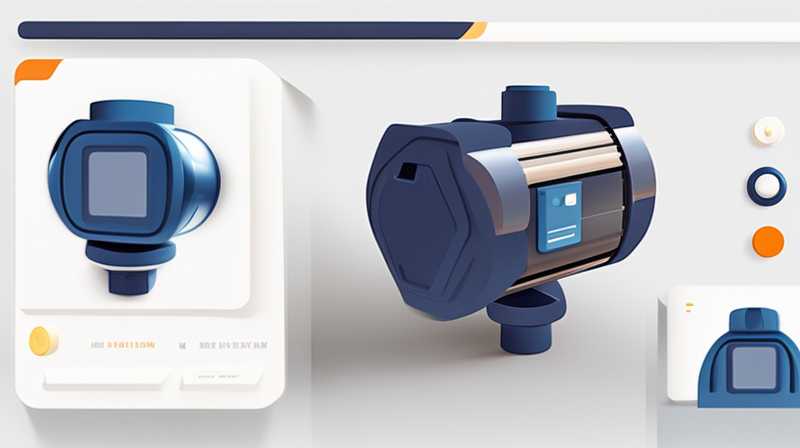
To understand what the solar ball valve controls, it is essential to emphasize that 1. it regulates the flow of fluids in solar thermal systems, 2. ensures efficient energy transfer, 3. contributes to system safety, and 4. enhances ease of maintenance. The core function of the solar ball valve revolves around managing the flow within plumbing systems that utilize solar collectors to convert sunlight into thermal energy. By either permitting or halting fluid motion, this apparatus plays a pivotal role in optimizing the performance of solar heating systems. For instance, during periods of non-operation or maintenance, the valve can be closed to prevent fluid from circulating, thereby protecting the system and ensuring safe servicing.
The critical aspect of this device lies in its operational simplicity and reliability, marking its significance in both residential and commercial solar setups. Understanding these functions and the importance of a well-maintained solar ball valve contributes to the longevity and efficiency of the solar energy system.
- FUNCTIONS OF SOLAR BALL VALVES IN THERMAL SYSTEMS
Solar ball valves serve fundamental purposes within the operational framework of solar thermal systems. Primarily, they act as control mechanisms for the flow of heat transfer fluids, typically water or antifreeze solutions, throughout the solar heating apparatus. By adjusting the position of the valve, systems can either allow or prevent fluid circulation, which directly affects the efficiency of heat exchange between the solar collectors and the storage tanks.
The temperature control aspect is critical here; defining whether the heat produced is effectively transferred to the storage or used instantly for heating purposes. When temperatures are optimal, the valve remains open, facilitating continuous flow, thus ensuring that maximum energy is harnessed from the solar collectors. Conversely, during cooler nights or when the demand for heated water is low, the valve can close to minimize heat loss, thereby conserving energy within the system. This regulation is vital for maintaining the efficiency and longevity of solar thermal systems, which relies heavily on effective fluid dynamics.
Moreover, solar ball valves are engineered for durability and reliability, frequently constructed from corrosion-resistant materials that withstand the rigors of various environmental conditions. Their operational reliability guarantees that energy waste is minimized, contributing profoundly to the sustainability of renewable energy systems. The easy-to-understand mechanics of a ball valve, which involves a spherical disc that rotates to permit or halt fluid flow, further enhances their attractiveness for solar thermal setups. Thus, their role is not only about control; it encompasses maintaining efficiency, regulating temperatures, and preserving mechanical integrity.
- DESIGN AND MECHANICS OF SOLAR BALL VALVES
The design of solar ball valves typically incorporates a few essential features that contribute to their functionality and reliability. The construction usually involves a ball-shaped disc that is precise in its operation, along with a housing that connects seamlessly with plumbing networks. This design allows for quick closure and opening, facilitating rapid control over fluid flow, making them ideally suited for thermal applications where temperature fluctuations can occur rapidly.
The mechanics of the valve involve a simple yet effective principle. As the handle of the valve is turned, the internal ball rotates either parallel or perpendicular to the fluid path. In the open position, the ball’s hole aligns with the passage, allowing fluid to flow freely. As the valve is closed, the solid side of the ball obstructs the flow, and under optimal conditions, this change occurs in mere seconds. This rapid operation ensures that the solar system can respond quickly to varying demands, thereby significantly enhancing efficiency.
Furthermore, the mechanisms within the solar ball valve can exhibit features such as automatic actuators, which can be integrated with solar control systems. These actuators can adjust the valve’s position based on real-time environmental conditions, optimizing energy use without manual intervention. Such technological advancements promote the push towards more intelligent renewable energy solutions, leaning into the burgeoning trend of automation in solar energy systems.
- IMPORTANCE OF PROPER MAINTENANCE
The efficacy of a solar ball valve directly correlates with the frequency and thoroughness of its maintenance. Regular checks and maintenance procedures ensure that the valve operates smoothly without leaks or blockages that could hinder performance. Solar thermal systems can accrue debris and mineral deposits over time, which can affect the ball’s ability to move freely, resulting in incomplete closure or opening. Descaling and cleaning become essential procedures in ensuring operational integrity.
Scheduled maintenance not only reinforces the longevity of the device but also promotes safety. A malfunctioning valve can lead to pressure build-ups, unintended leaks, and subsequent system failures. Regular inspections should include checking connection points, inspecting for corrosion, and ensuring that the actuating mechanisms work correctly, particularly in systems where automatic operation is employed.
Proper lubrication of moving parts should not be overlooked, as this can significantly contribute to the valve’s operational lifespan. Ensuring that the gaskets and seals are intact further prevents leaks from compromising overall system performance. By acknowledging the importance of maintenance, homeowners and facility managers can ensure that their solar ball valve—and consequently, their solar thermal system—remains efficient, safe, and reliable.
- COMMON CHALLENGES AND SOLUTIONS
Despite their many advantages, solar ball valves are not without challenges. One prevalent issue encountered is the problem of leaks that often arises from wear and tear or improper installation. Depending on the location—especially outdoor settings—factors such as freezing temperatures can exacerbate these leaks. Identifying the source of leaks is imperative for maintaining system integrity.
Utilizing high-quality installation practices during the setup of solar ball valves can mitigate leak occurrences. Employing the correct sealing techniques and using materials specifically designed for solar applications can aid in achieving a durable installation. Additionally, the regular monitoring of valve integrity coupled with timely replacements when wear is detected can help avoid significant operational risks.
Another challenge lies in the valve’s responsiveness to the variations in fluid temperature, especially if the installation site experiences vast temperature differentials. During colder months, valves might not operate as smoothly, leading to operational delays. Employing heated valve components or using valves made from materials that withstand lower temperatures can counteract this issue.
In addressing these challenges, adopting a proactive maintenance schedule combined with using high-quality components can enhance the reliability of solar ball valves. Emphasizing education for users and technicians about the operational characteristics of solar valves is equally crucial; increasing awareness leads to better handling of potential issues as they arise, ensuring the longevity and efficiency of solar thermal systems.
- ROLE IN RENEWABLE ENERGY CONTEXT
Solar ball valves offer substantial contributions to the renewable energy sector by enabling more efficient energy management within solar heating systems. As communities and industries worldwide shift towards sustainable practices, the incorporation of such devices plays a fundamental role. They not only facilitate the transfer of beneficial energy but also uphold efficiency standards critical for successful solar installations.
By embracing technologies like solar ball valves, systems can become more efficient, ensuring less energy waste and better performance under various operational conditions. Furthermore, their integration with intelligent building management systems enhances overall operational efficiency, aligning with trends that advocate for smart energy use in modern infrastructures.
The commitment towards renewable energy adoption requires a collective focus on efficiency, reliability, and sustainability. Solar ball valves embody these characteristics, making them essential components in solar thermal machinery. They represent a practical step towards a cleaner, more efficient energy future, thus supporting global efforts to mitigate climate change and transition to greener alternatives.
FREQUENTLY ASKED QUESTIONS
WHAT ARE THE MAIN MATERIALS USED IN SOLAR BALL VALVES?
The construction of solar ball valves typically involves materials that offer both durability and resistance to various environmental factors. Common materials include stainless steel, brass, and thermoplastics. Stainless steel is favored for its resistance to corrosion and strength, making it particularly suitable for outdoor applications where exposure to moisture can be a concern. Brass, while also robust, provides excellent thermal conductivity, which is advantageous for heat transfer in thermal systems.
Thermoplastics, such as PVC and CPVC, are employed for their lightweight nature and resistance to various chemicals, making them perfect for fluid movement. Each material choice comes with specific attributes, thus influencing operational aspects such as temperature tolerance and longevity. Regular maintenance and inspections of these materials are vital to ensuring their effectiveness over time and preventing issues like leaks that may stem from material degradation.
HOW DOES A SOLAR BALL VALVE AFFECT SYSTEM EFFICIENCY?
The efficiency of a solar thermal system is heavily influenced by the operational state of the solar ball valve. When functioning optimally, the valve allows for seamless fluid flow, enabling maximum transfer of solar energy collected by the panels into storage tanks. When the demand for hot water in the system is low, or when temperatures drop, the valve’s ability to close prevents unnecessary heat loss—critical for maintaining energy conservation.
Moreover, the precision control afforded by solar ball valves contributes to overall system balance, ensuring that energy production aligns with its usage. An ill-functioning valve could lead to system inefficiencies, such as overheating, excessive energy consumption, or incomplete heating. Hence, a well-maintained solar ball valve is a cornerstone of achieving desired performance metrics in solar thermal systems, underlining its importance in energy solutions.
WHAT MAINTENANCE PRACTICES SHOULD BE FOLLOWED FOR SOLAR BALL VALVES?
Routine maintenance procedures for solar ball valves are fundamental to ensuring their troubleshooting effectiveness and operational longevity. Key practices typically include regular inspections to identify signs of wear, corrosion, or leaks. When any irregularities are noted, immediate attention is essential to mitigate further complications.
Cleaning is also a critical aspect, as dust or debris buildups can hinder valve functionality. Depending on the specific installation, descaling the valve may be required, particularly in environments subjected to hard water, which can deposit mineral buildups internally. Furthermore, periodic lubrication of moving components will enhance the valve’s operational smoothness and reduce the risks of mechanical failure. Achieving meticulous and regular maintenance habits protects the valve’s performance, ensuring efficient solar thermal system operation over time.
The discussion surrounding solar ball valves extends beyond mere functionality; it encapsulates their substantial role in the solar thermal sector, emphasizing overall system efficiency and performance. Proper management of fluid dynamics through effective control mechanisms is paramount in maximizing energy harnessing, which is critical for the sustainability of renewable practices. Given the emphasis on environmental stewardship, the incorporation of advanced technologies and maintenance strategies alongside solar ball valves reflects an ongoing commitment to embracing clean energy sources. Energy efficiency should remain at the forefront of global energy strategies, where devices such as the solar ball valve spearhead improvements in operational practices. The movement toward renewable energy is marked by innovations that emphasize efficiency, reliability, and sustainable energy practices, making the solar ball valve an essential component in the overall agricultural or industrial energy solutions being developed today. In summarizing the aspects of solar ball valves and their operational influences, it’s evident that they hold a crucial standing in modern energy dynamics, reaffirming their exceptional value in the transition towards a more sustainable energy future. Each aspect—from their mechanical design to their critical roles within solar systems—demonstrates how essential they are in fostering solar energy’s potential as a leading source in the journey towards a green economy. Ultimately, a comprehensive understanding of these elements and proper practices amplifies the benefits garnered from solar energy, securing its place as a cornerstone in the next era of energy production.
Original article by NenPower, If reposted, please credit the source: https://nenpower.com/blog/what-does-the-solar-ball-valve-control/

