

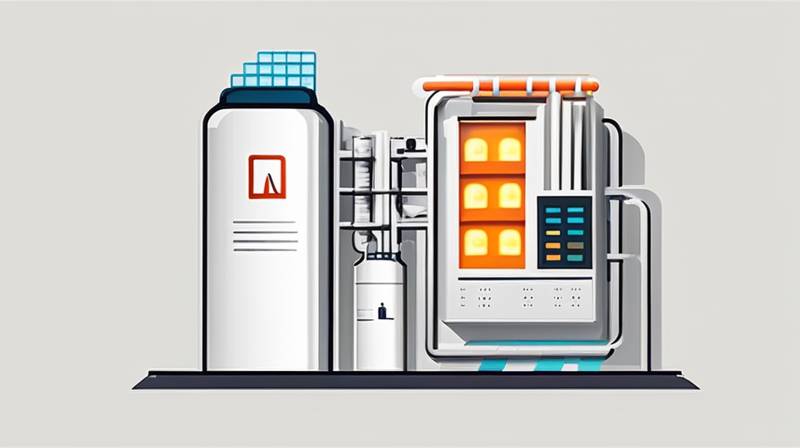
Power plant energy storage systems encompass diverse components integral to optimizing energy management and ensuring a reliable supply. 1. Batteries serve as a crucial element, providing a means to store excess energy generated during peak production. 2. Flywheels contribute to energy storage by maintaining rotational energy, allowing for rapid discharge during demand surges. 3. Pumped hydroelectric systems harness gravitational forces by transferring water between elevation levels to generate power when required. 4. Thermal energy storage holds and later utilizes heat generated from power plants, ensuring efficiency and reduced emissions. 5. Control systems coordinate these elements, facilitating seamless integration with existing infrastructure for enhanced grid stability.
In the modern energy landscape, integrating various storage technologies is essential for addressing demand variability and sustainable energy policies. As reliance on renewable sources increases, understanding the roles these components play becomes critical to a balanced energy portfolio.
1. UNDERSTANDING POWER PLANT ENERGY STORAGE SYSTEMS
A power plant energy storage system is an intricate assembly of components designed to enhance the efficiency and reliability of energy production and distribution. The increasing penetration of renewable energy sources, such as wind and solar, necessitates innovative solutions to manage intermittency and balance supply with demand effectively. In addressing the challenges associated with energy variability, energy storage systems emerge as vital facilitators in ensuring that power generation aligns with consumption patterns. This assertion underscores the remarkable importance of various technologies present in storage systems.
To fully appreciate these systems, it is essential to dissect their core components, each contributing unique properties that enhance energy resilience and flexibility. Various storage mechanisms provide distinct advantages, depending on their configurations and operational characteristics. This multifaceted approach ensures that energy remains available when needed, minimizing reliance on traditional fossil fuels and promoting sustainable practices.
2. BATTERIES
Battery technologies play a pivotal role within power plant energy storage systems, characterized by their ability to store and discharge electricity effectively. Lithium-ion batteries have become particularly popular due to their high energy density, long cycle life, and declining costs. As concerns over carbon emissions mount, these batteries facilitate the increased adoption of renewable energy by allowing the storage of excess generation during optimal conditions, which can be subsequently released during peak demand periods. This cyclical capability enables utilities to balance supply fluctuations while lowering reliance on fossil-fuel-based peaker plants.
Diverse battery chemistries extend beyond lithium-ion, including flow batteries and sodium-sulfur alternatives, each catering to varying requirements. Flow batteries, for instance, provide the advantage of scalable energy storage, enabling utilities to customize storage capacities based on specific project needs. The emergence of these technologies underscored the industry’s commitment to innovation and sustainability, paving the way for more advanced applications that increase grid resilience and cut operational costs.
3. FLYWHEELS
Flywheel energy storage systems represent another unique technology contributing to energy bandwidth regulation. These systems store energy in a rotating mass, utilizing kinetic energy to facilitate rapid discharge. When excess energy is generated, it is converted to kinetic energy, stored in the flywheel, and subsequently released during demand spikes, providing instantaneous power without degradation typically witnessed in chemical batteries. The advantage of flywheels lies in their ability to execute fast response times—making them well-suited for applications requiring quick bursts of energy or frequency regulation in the grid.
Furthermore, flywheels exhibit enhanced longevity and lower lifecycle costs compared to traditional batteries since they have fewer degradation concerns over time. Their physical structure permits unlimited charge and discharge cycles without compromising performance, positioning them as a reliable choice for grid operators seeking to implement strategies that prioritize energy stability. As a result, flywheel systems are increasingly integrated into hybrid models alongside other storage technologies, enabling a more streamlined energy management approach.
4. PUMPED HYDROELECTRIC STORAGE
Pumped hydroelectric storage (PHS) stands out as the most widely deployed form of bulk energy storage, accounting for a substantial share of global energy storage capacity. This method employs gravitational potential energy by transferring water between two reservoirs situated at different elevations. Energy is stored when excess electricity drives pumps, lifting water to the upper reservoir. During energy demand surges, the stored water is allowed to flow back down through turbines, generating electricity.
This dual capability of storing excess energy and generating power later on makes pumped hydro an attractive solution for grid managers, especially in jurisdictions with favorable geographical configurations. The efficiency of PHS systems typically ranges between 70 to 90%, making them advantageous from an energy perspective. Additionally, the ability of these systems to provide ancillary services—such as frequency control and voltage support—validates their continued prominence in the energy sector. As the demand for renewable energy escalates, the strategic implementation of new PHS projects amplifies their relevance, fostering stability in electrical grids.
5. THERMAL ENERGY STORAGE
Thermal energy storage (TES) serves as an innovative approach to managing heat produced in power generation processes. In contrast to conventional storage mechanisms, TES systems capture and retain heat for later use, effectively converting surplus heat into usable energy. This technique allows power plants to optimize their thermal efficiency. For instance, concentrating solar power (CSP) facilities rely heavily on thermal storage strategies, where molten salts absorb heat generated by solar collectors, subsequently releasing it to generate steam and produce electricity during non-sunlight hours.
The utility of thermal storage extends beyond renewable technologies; conventional fossil fuel plants can also integrate TES to enhance operational efficiency. By using thermal storage to peak shave—reducing fuel consumption during high demand periods—these facilities can curtail emissions while improving profitability. As thermal energy storage systems become harmonized with other storage solutions, they signify a shift toward a holistic energy management paradigm that embraces sustainability and resiliency.
6. CONTROL SYSTEMS AND INTEGRATION
Control systems serve as the operational backbone connecting various energy storage components within power plants. These sophisticated systems monitor and regulate the flow of energy, coordinating the interactions between storage mechanisms and grid requirements to ensure smooth operation and optimal performance. Understanding load forecasting and demand prediction is crucial for these control systems to manage energy resources effectively, allowing for strategic deployment based on real-time grid signals.
Integrating energy storage with existing infrastructures requires advanced algorithms and smart grid technologies to ensure seamless interconnectivity. By analyzing data from numerous sources, these systems adaptively respond to shifting energy demands, optimizing the utilization of various storage solutions. This capacity for intelligent management not only mitigates stress on the grid but also enhances the overall reliability of energy services.
FREQUENTLY ASKED QUESTIONS
WHAT TYPES OF ENERGY STORAGE ARE AVAILABLE IN POWER PLANTS?
Energy storage systems within power plants include various technologies tailored to meet specific operational requirements and utilize distinct storage mechanisms. The primary categories are batteries, such as lithium-ion and flow batteries, which store electricity chemically for later discharge. Flywheel systems store energy kinetically, providing rapid response times. Pumped hydroelectric systems leverage gravitational energy, transferring water between reservoirs to manage fluctuations in demand. Thermal energy storage captures excess heat to generate steam for electricity during high-demand periods. Each technology presents its unique advantages in efficiency, discharge rates, and lifecycle costs, allowing power plants to enhance their energy management capabilities.
HOW DOES ENERGY STORAGE IMPACT THE RELIABILITY OF POWER SUPPLY?
Energy storage systems significantly enhance the reliability of power supply across grids and power plants. By bridging the gap between energy generation and consumption, these systems mitigate fluctuations and ensure a steady supply during peak demand periods. For instance, when renewable energy generation surges, excess electricity can be stored, and when demand peaks, stored energy can be dispatched immediately. This capability reduces reliance on fossil fuel generators, minimizes operational costs, and curtails greenhouse gas emissions. Furthermore, advanced control systems facilitate real-time adjustment, enabling energy providers to balance supply with demand seamlessly and sustainably, reinforcing grid stability.
WHAT ARE THE ECONOMIC BENEFITS OF IMPLEMENTING ENERGY STORAGE SYSTEMS?
The economic benefits of integrating energy storage systems within power plants are multifaceted and significant. The initial investment may be substantial; however, the long-term savings from reduced operational costs and enhanced efficiency overshadow initial expenditures. By optimizing energy dispatch, power plants can lower reliance on peaking power plants, which are typically more expensive to operate. Additionally, energy storage can defer the need for costly infrastructure upgrades, as they act as buffer systems that provide balancing services during fluctuations. Moreover, by enabling greater integration of renewable resources, energy storage contributes to energy diversification, mitigating long-term fuel price volatility while fostering a sustainable energy ecosystem.
The Role of a Power Plant Energy Storage System in Achieving Energy Stability
The integration of various energy storage technologies within power plants represents a robust solution to ongoing energy challenges. By leveraging batteries, flywheels, pumped hydroelectric systems, thermal storage, and sophisticated control mechanisms, energy producers can achieve a balance between generation and consumption, ensuring that electricity is available when it is most needed. Diverse storage methods alter the dynamics of power supply, allowing for increased efficiency, lowered emissions, and improved grid stability. The transition to a more sustainable energy landscape depends heavily on understanding and implementing these technologies effectively.
Strategically investing in and incorporating these energy storage systems not only addresses existing challenges associated with renewable energy intermittency but also enhances the resilience of power infrastructure moving forward. Emerging technologies, coupled with proactive regulation and incentive structures, facilitate an environment where energy storage provisions become not just beneficial but rather critical for sustainable energy provisioning. Thus, as the energy sector advances, the inherent need for diverse, efficient, and innovative energy storage solutions will continue to shape the future landscape of power provision.
Original article by NenPower, If reposted, please credit the source: https://nenpower.com/blog/what-does-the-power-plant-energy-storage-system-include/

