

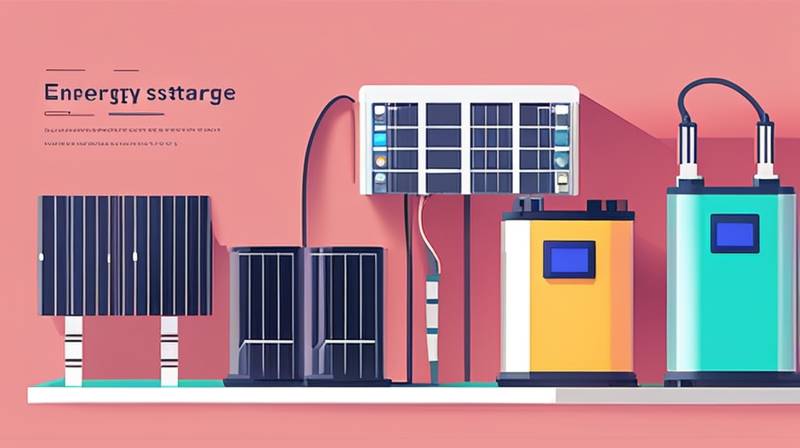
1. A power outage energy storage system comprises several key components designed to maintain energy supply during disruptions, including: 1) Battery technology, which ensures efficient storage and release of energy, 2) Power conversion systems that manage energy flow, and 3) Control systems that allow for seamless integration and monitoring of the entire setup. The importance of these components cannot be understated, as they directly influence the reliability and efficiency of energy preservation to counteract power outages. Among these, the battery technology stands out, as advancements in this area lead to longer lifespans, higher capacities, and improved safety measures. Utilizing cutting-edge materials, such as lithium-ion and solid-state batteries, facilitates optimized performance and contributes substantially to energy resilience.
1. BATTERY TECHNOLOGY
When delving into the realm of energy storage systems designed to counter power outages, battery technology is at the forefront. The various types of batteries, such as lithium-ion, lead-acid, and emerging solid-state solutions, possess unique characteristics that cater to different energy needs. Selecting the appropriate battery configuration requires a careful assessment of various factors, including energy capacity, discharge rates, lifespan, and cost. Lithium-ion batteries, renowned for their high energy density, lightweight features, and longevity, are presently the most popular choice in energy storage systems.
The efficiency of lithium-ion batteries leads to minimized energy losses when charging and discharging. This efficiency is particularly valuable during power outages, as it empowers systems to deliver stored energy precisely when required. Furthermore, advancements in battery management systems (BMS) can significantly improve performance by providing real-time monitoring and balancing of charge across each cell. Such technologies ensure that every segment of the battery is used optimally, thereby extending the overall lifespan of the energy storage solution.
2. POWER CONVERSION SYSTEMS
Equally vital to the overall functionality of energy storage systems are power conversion systems (PCS). These systems provide the necessary interface between the stored energy and the external loads requiring power, ensuring that the energy is utilized effectively during outages. The principal functions of the PCS include conversion from direct current (DC) to alternating current (AC), voltage regulation, and grid interconnection. This conversion is crucial, as most residential and commercial appliances operate on AC electricity.
Moreover, the adaptation between the energy storage system and the grid requires sophisticated power electronics. These components not only manage how energy flows into and out of the batteries, but they also contend with potential fluctuations in demand and supply. The sophistication of power conversion systems allows them to integrate seamlessly with existing energy solutions like solar panels or wind turbines, enhancing the overall resilience of the energy infrastructure. Adaptive algorithms enable these systems to predict energy consumption patterns, thereby optimizing the use of stored energy during outages.
3. CONTROL SYSTEMS
In conjunction with battery technology and power conversion systems, control systems are the cerebral component of energy storage setups. They embody the intelligence needed to oversee various functions within the energy storage system, including battery monitoring, load management, and automated responses to outages. These systems play a pivotal role in determining how and when energy is deployed based on real-time analytics. By employing advanced algorithms and data analytics, control systems can predict peak usage times and deploy stored energy accordingly, greatly improving the efficiency of energy usage.
Additionally, the integration of communication protocols into control systems enhances their functionality. For instance, Internet of Things (IoT) connectivity allows for remote monitoring and control, enabling users to receive alerts during a power outage, as well as manage energy consumption from a distant location. This not only offers convenience but also fosters peace of mind, assuring that energy resources are adequately managed during critical times. Furthermore, integrating artificial intelligence can refine predictive maintenance, ensuring that energy storage systems are always running at peak performance levels.
4. INTEGRATION WITH RENEWABLE ENERGY SOURCES
The synergy between energy storage systems and renewable energy sources forms a crucial alliance in the ongoing quest for sustainable energy solutions. As the demand for clean energy grows, optimizing the capacity to store and distribute energy becomes increasingly pertinent. For instance, harnessing solar energy during peak sunlight hours and storing it for use during power outages exemplifies a forward-thinking approach to energy management. Similarly, wind energy can be harvested during high wind conditions and stored for consumption when conditions are not optimal.
Ensuring compatibility between energy storage systems and renewable sources entails thoughtful engineering. Variability in energy generation from renewable sources necessitates advanced energy management systems that can smooth out supply fluctuations. By implementing energy management strategies, systems can better predict when to draw from stored reserves and when to recharge, thereby maximizing efficiency and reliability. In effect, such integrations lead to a more dynamic and resilient energy ecosystem capable of withstanding unexpected disruptions.
5. REGULATORY FRAMEWORK AND STANDARDS
The landscape for energy storage solutions is heavily influenced by regulatory frameworks and standards. These regulations often dictate safety measures, performance metrics, and operational guidelines that energy storage systems must adhere to in order to be deployable nationwide. Compliance with these regulations not only ensures that systems operate safely but also helps build consumer trust in emerging technologies.
Furthermore, evolving regulations present opportunities for innovation and investment in new technologies. For instance, incentives offered by governments for renewable energy installations often encompass energy storage systems, creating a conducive environment for their proliferation. As regulatory environments grow more favorable, manufacturers continue to invest in research and development aimed at enhancing the efficiency, safety, and affordability of energy storage solutions. In summary, the regulatory landscape shapes the trajectory of advancements in energy storage, ultimately impacting how effectively systems mitigate the effects of power outages.
FREQUENTLY ASKED QUESTIONS
WHAT FACTORS DETERMINE BATTERY CHOICES IN ENERGY STORAGE SYSTEMS?
Choosing the right battery for an energy storage system involves several key factors. Energy density presents one effective metric, signifying how much energy can be stored per unit weight. Higher energy density batteries can pack more energy without the trade-off of added weight. Another important factor is cycle life, which determines how many charge-discharge cycles a battery can undergo before significant degradation in performance occurs. For a system intended to provide long-term, reliable power during outages, a battery with a long cycle life becomes indispensable.
Additionally, manufacturers must consider energy costs and system integration capabilities when selecting batteries. Prices for battery materials fluctuate, impacting overall expense. Therefore, assessing market trends is essential for budgeting purposes and maintaining affordability over time. Lastly, safety features must be prioritized to mitigate potential hazards associated with battery use, especially with technologies that involve high energy densities like lithium-ion. Addressing these aspects creates a roadmap for crafting a dependable energy storage solution.
HOW DOES ENERGY STORAGE IMPACT COSTS DURING POWER OUTAGES?
Deploying an energy storage system can significantly impact costs during power outages. The primary advantage lies in the potential to avoid expensive grid energy prices during peak demand times. Energy storage systems allow users to cultivate energy during low-cost periods, which can subsequently be deployed when prices escalate, leading to substantial savings. Furthermore, users can sidestep costly power disruptions and service interruptions, thereby reducing losses incurred from downtime in commercial settings.
Moreover, energy storage systems can lower costs by providing ancillary services to the grid, such as frequency regulation and demand response. By doing so, owners of these systems may receive compensation for maintaining grid stability, enhancing the overall economic viability of energy storage as a foolproof option. Ultimately, the interplay between energy storage and economic strategies during outages underscores the financial prudence of investing in these integrative systems.
WHAT ARE THE ENVIRONMENTAL BENEFITS OF ENERGY STORAGE SYSTEMS?
Energy storage systems possess the ability to bolster environmental sustainability significantly. One of the most critical advantages is their role in maximizing the utilization of renewable energy sources like solar and wind, which produce clean energy that does not emit harmful pollutants. By storing excess energy generated during peak production times, these systems can reduce reliance on fossil fuels and other non-renewable energy sources, thereby lowering carbon emissions and promoting cleaner air.
Additionally, energy storage systems alleviate grid strain by managing energy consumption efficiently. During peak times, instead of rolling back service or relying on inefficient fossil fuel power plants, stored renewable energy can be deployed to meet demand effectively. This strategy not only conserves resources but also contributes to creating a more resilient grid that is less susceptible to failures. In this manner, energy storage systems emerge as essential components in the transition toward an environmentally sustainable energy future.
In summary, the inclusion of diverse elements—battery technologies, power conversion systems, control mechanisms, renewable source integration, and compliance with regulations—underpins the comprehensive framework of a power outage energy storage system. A robust understanding of the intricate relationships among these components is crucial for optimal performance and resilience during power disruptions. The growing emphasis on sustainability further enhances the relevance of such systems, promoting both economic viability and environmental stewardship. Boosting the appeal of energy storage solutions will invariably require continued investment in technological advancements and adaptative regulatory practices, ensuring that these systems evolve to meet the dynamically changing demands of the energy landscape. As reliance on sporadic energy sources continues to rise, the development and deployment of efficient energy storage systems will prove indispensable to a future defined by energy resilience and sustainability.
Original article by NenPower, If reposted, please credit the source: https://nenpower.com/blog/what-does-the-power-outage-energy-storage-system-include/

