

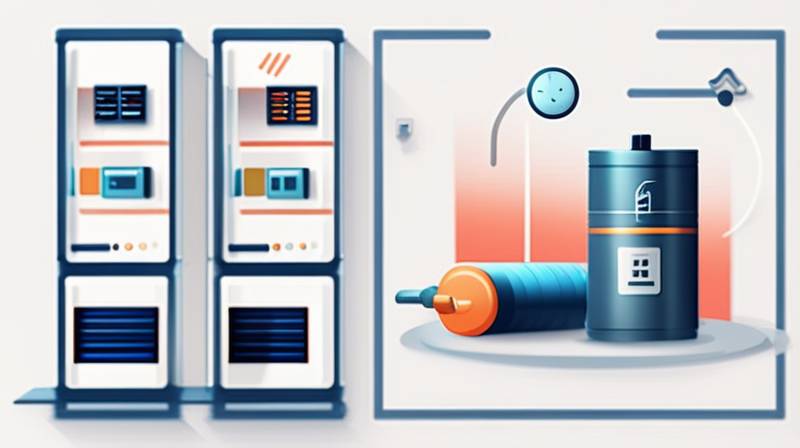
Exporting energy storage products encompasses a range of components including 1. Batteries, which serve as the core storage medium for energy; 2. Inverters, crucial for converting stored energy into useable electricity; 3. Battery management systems (BMS), responsible for monitoring and safeguarding battery performance; 4. Energy management software, optimizing the utilization and efficiency of energy storage systems.
Batteries
Batteries are indispensable elements within the energy storage ecosystem. These components capture and hold electrical energy, providing a solution for variable energy supply and demand. The most common types include lithium-ion, lead-acid, and flow batteries. Lithium-ion batteries are currently favored due to their relatively high energy density and efficiency, making them ideal for electric vehicles and renewable energy applications. However, they carry concerns regarding lifecycle sustainability and safety.
In contrast, lead-acid batteries, while older technology, remain popular for their low cost and established recycling infrastructure. Flow batteries, on the other hand, boast advantages for longer discharge times and scalability, which can be particularly advantageous for large-scale energy storage projects. The choice of battery technology for export will depend on specific application requirements, cost-effectiveness, and regulatory considerations in the target market.
INVERTERS
The role of inverters in energy storage systems cannot be overstated. These units are responsible for converting direct current (DC) stored in batteries into alternating current (AC), which is necessary for most electrical grids and household appliances. Beyond mere conversion techniques, inverters incorporate various features that enhance system efficiency, reliability, and flexibility.
Different types of inverters exist based on functionality, such as grid-tied, off-grid, and hybrid inverters. Grid-tied inverters are prevalent in distributed energy resources, allowing solar energy systems to feed electricity back into the grid. Off-grid systems, on the other hand, rely on storage to supply power without connection to the utility grid. Hybrid inverters facilitate both grid-tied and off-grid functionalities, making them versatile for various energy scenarios.
Quality inverter products can significantly boost energy storage system performance, impacting the entire lifecycle of energy management for end-users. The emphasis on compliance with international safety and efficiency standards also plays a crucial role in selecting suitable inverters for export.
BATTERY MANAGEMENT SYSTEMS (BMS)
The functionality of battery management systems (BMS) comes into position to ensure reliable and safe operation of battery packs. A BMS monitors the charging and discharging processes, safeguarding against potential malfunctions. This system plays a crucial role in extending battery longevity and optimizing performance through real-time data analysis and battery status reporting.
BMS designs vary significantly, influenced by the specific battery chemistry and application. They can include features like cell balancing, temperature monitoring, and energy usage tracking, which can mitigate risks such as overheating or short-circuits. Depending on the complexity of the energy storage system, BMS can range from basic monitoring units to sophisticated setups featuring advanced algorithms for predictive analytics. Furthermore, the export of BMS necessitates proximity to regional regulations regarding battery safety, environmental considerations, and user compliance.
ENERGY MANAGEMENT SOFTWARE
Energy management software serves as the brain behind the various components of energy storage systems, orchestrating their interactions and enhancing overall efficiency. This software collects data from different parts of the system, analyzing patterns and establishing optimal dispatch strategies based on variable energy supply and demand scenarios.
With technological advancements, these software solutions evolve to include features such as predictive analytics, user interfaces for remote control, and integration capabilities with IoT devices. Some of the benefits provided by energy management software include demand response strategies, peak shaving capabilities, and the facilitation of behind-the-meter projects. Their deployment can improve energy savings, leading to significant cost reductions for users.
For international markets, the software must not only be robust and versatile but also compliant with relevant cybersecurity and privacy standards. Thus, the capability to cater this software to diverse regulatory environments is paramount for successful export operations.
CONSIDERATIONS FOR EXPORTING ENERGY STORAGE PRODUCTS
When delving into the export of energy storage products, several strategic considerations must be taken into account. Market demand varies significantly across regions based on economic, regulatory, and geographic factors. Therefore, understanding the targeted market landscape is crucial to align product offerings with specific regional needs.
Among the prevailing considerations is adherence to local certifications and regulations. Different countries impose standards for safety, performance, and environmental impact, thus requiring manufacturers to ensure compliance prior to export. This affects product design, testing, and documentation. Additionally, assessing the local competition and pricing structures provides valuable insight to position the offering competitively while maintaining profitability.
Furthermore, establishing partnerships with local distributors and stakeholders can facilitate smoother entry into foreign markets. Collaborative relationships aid in navigating the complexities of local supply chains and consumer preferences. Building a robust support system for customers post-purchase through maintenance and warranty services can also enhance brand reputation and long-term customer relationships.
To sum it up, the dynamics of exporting energy storage products encompass various interconnected elements, each contributing to the larger ecosystem. The complexity involved mandates a comprehensive understanding of both the technical specifications and market conditions present in target regions. Charts, data analysis, regulatory awareness, and customer relationships serve as vital components of a cohesive export strategy.
FREQUENTLY ASKED QUESTIONS
WHAT TYPES OF BATTERIES ARE COMMONLY USED IN ENERGY STORAGE PRODUCTS?
Energy storage solutions commonly utilize several types of batteries, prominently featuring lithium-ion, lead-acid, and flow batteries. Lithium-ion batteries dominate the industry due to their high energy density, efficiency, and decreasing costs, making them favored in applications ranging from electric vehicles to renewable energy storage systems. These batteries’ lighter weight and compact size augment their appeal for a vast array of uses. However, concerns about lifecycle sustainability and potential safety issues, such as thermal runaway, exist, compelling ongoing innovations to mitigate these risks.
Conversely, lead-acid batteries, with their longevity and established recycling processes, remain prevalent despite being heavier and less efficient. They serve well in traditional backup power applications and energy storage for grid services. Flow batteries, which utilize a liquid electrolyte to store energy, are particularly effective for larger, longer-duration applications, offering scalability that suits industrial and utility-scale projects. In the end, the choice of battery depends on specific requirements, cost parameters, and anticipated applications.
WHAT ROLE DOES ENERGY MANAGEMENT SOFTWARE PLAY IN ENERGY STORAGE SYSTEMS?
The implementation of energy management software plays a transformative role in energy storage systems by optimizing operation efficiency and energy allocation. This software tracks system performance, manages energy flow, and maximizes usage based on real-time data collected from batteries, inverters, and external environmental conditions. As fluctuations in energy supply from sources like solar or wind are commonplace, effective management is crucial for maintaining system equilibrium and maximizing returns on investment.
Advanced features found in this software include predictive modeling, smart load management, and interface capabilities that allow users to monitor and control energy usage remotely. By employing strategies such as demand response and peak shaving, this software contributes to minimizing energy costs and environmental footprints. Furthermore, energy management software must operate in compliance with applicable security measures to safeguard sensitive data, facilitating greater user trust in the system’s performance. The overarching impact is a more refined, efficient energy management ecosystem that enhances system productivity.
HOW DOES COMPLIANCE WITH LOCAL REGULATIONS AFFECT THE EXPORT OF ENERGY STORAGE PRODUCTS?
Compliance with local regulations is fundamental in the successful export of energy storage products. Every country has its own set of rules governing product safety, environmental considerations, efficiency standards, and grid compatibility. Understanding these regulations is vital as they dictate everything from product design and testing to labeling and documentation requirements. Non-compliance can lead to hefty penalties, recalls, or refusal of entry into the market.
Manufacturers must conduct thorough research to ascertain the required certifications and tests necessary for entry into a foreign market. This includes engaging with local authorities and industry experts to ensure alignment with established safety and performance expectations. Furthermore, compliance extends beyond initial entry; ongoing monitoring may be required as regulations continue to evolve, impacting the product lifecycle and maintenance. By prioritizing compliance, producers can not only mitigate risks but also foster credibility and trust with local clients and regulators.
In summary, the export of energy storage products involves intricate layers of components and considerations. The conversation around this subject rests not just on the physical products but also encompasses regulatory, technological, and market dynamics. Battery types along with the integration of inverters, BMS, and energy management software create a formidable landscape that requires thoughtful exploration. Market opportunities abound, yet they must be navigated judiciously to ensure compliance and alignment with varied regional requirements. Ultimately, a successful export strategy hinges on a deep understanding of the local landscape, user needs, and the evolving technological frameworks that influence energy storage. Collaboration and innovation walk hand-in-hand in addressing future energy challenges, as society steadily advances toward sustainable energy solutions. Therefore, investment in research and development, adherence to safety regulations, and the cultivation of customer relationships will undoubtedly pave the way for success in this rapidly growing sector.
Original article by NenPower, If reposted, please credit the source: https://nenpower.com/blog/what-does-export-energy-storage-products-include/

