

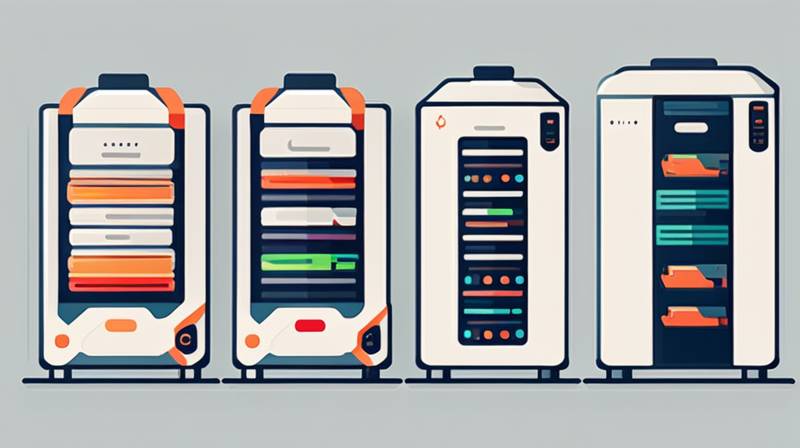
Equipment energy storage refers to the technology and systems utilized for storing electrical energy generated during periods of low demand or surplus generation for later use during high demand, 1. It encompasses various technologies including batteries, pumped hydroelectric storage, and flywheels, 2. These systems enhance the reliability and stability of electric grids, 3. They have significant implications for renewable energy integration and reducing carbon emissions, 4. Energy storage plays a critical role in facilitating energy transition and operational flexibility in power systems.
1. UNDERSTANDING ENERGY STORAGE TECHNOLOGIES
Energy storage technologies serve as pivotal components in modern electrical systems, facilitating the seamless integration of renewable energies such as solar and wind. These technologies encompass a wide array of forms, each with unique operational principles and applications. Battery storage systems, for instance, utilize electrochemical processes to store and release energy, providing an efficient means of managing fluctuations in energy supply and demand. In contrast, mechanical systems like pumped hydro storage leverage gravitational forces, using available energy to pump water uphill during low demand and releasing it to generate electricity when required.
The choice of energy storage solution often hinges on specific application needs, including duration, power output, and scale. Advanced batteries, such as lithium-ion, offer high energy density and rapid response times, making them suitable for residential and commercial applications. On the other hand, pumped hydroelectric storage, one of the oldest and most widely used forms, involves the construction of large-scale reservoirs that necessitate significant capital investments. Understanding these technologies is essential in addressing future energy challenges efficiently.
2. ROLE OF ENERGY STORAGE IN RENEWABLE INTEGRATION
The drive towards a more sustainable energy future heavily relies on sufficient energy storage capabilities to support variable renewable energy sources (VRE). Solar panels and wind turbines generate electricity based on external environmental factors, resulting in fluctuations that can strain electrical grids if not properly managed. This is where energy storage systems come into play, bridging the gap between energy production and consumption. By accumulating excess energy generated during peak production times, these systems ensure that renewable resources can be harnessed and utilized effectively, promoting a reliable energy supply.
Integrating energy storage with renewable generation enhances grid resilience and enables peak shaving, which involves reducing the peak demand for electricity. This process not only helps in maintaining system stability but also reduces the need for peaking power plants, which are often fossil-fuel-based and costly to operate. Moreover, energy storage facilitates time-shifting capabilities, allowing utilities to deliver stored electricity during periods of high demand, thus optimizing energy usage and enhancing overall system efficiency. These strategic applications showcase how energy storage quietly underpins the shift toward clean energy landscapes.
3. ECONOMIC IMPLICATIONS OF ENERGY STORAGE
Energy storage devices contribute to reducing energy costs over time by enabling greater operational efficiency within power systems. When deployed strategically, these technologies can help reduce the costs associated with electricity generation and transmission. For utilities, energy storage signifies lowering operational peaks, which often incur high costs while affording opportunities for time-of-use pricing. This pricing structure incentivizes consumers to shift their energy consumption to off-peak hours, further decreasing the strain on energy systems.
The economic viability of energy storage systems has also gained attention from both public and private investment entities. Advancements in technology and decreasing costs associated with energy storage installations are reshaping market perceptions. Local and regional governments increasingly recognize the need for infrastructure supporting this transition, resulting in favorable policies and financial incentives aimed at encouraging the adoption of energy storage technologies. Additionally, the introduction of battery leasing models can significantly reduce upfront costs, enabling broader access to energy storage solutions for various consumer segments.
4. ENVIRONMENTAL IMPACT OF ENERGY STORAGE SOLUTIONS
The environmental implications of implementing efficient energy storage solutions are profound. With proper deployment, energy storage interventions contribute significantly to reducing greenhouse gas emissions. By enabling high levels of renewable integration, these systems can decrease reliance on fossil fuels, thus minimizing the carbon footprint of electricity generation. As technologies continue to become more efficient, the role of energy storage in promoting sustainable practices will only expand.
However, examining the environmental impact of the full lifecycle of energy storage systems is crucial, encompassing aspects from raw material extraction through manufacturing, operation, and eventual disposal or recycling. Some commonly used materials for batteries, such as lithium and cobalt, pose significant environmental challenges if not managed responsibly. Therefore, the advancement of recycling technologies and the development of alternative chemistries that mitigate these issues become imperative. Innovations in these areas will shape the future landscape of clean energy infrastructure, ensuring sustainable practices are integrated throughout the energy ecosystem.
5. FUTURE TRENDS IN ENERGY STORAGE SOLUTIONS
As technological advancements accelerate, the future of energy storage looks promising, with several trends emerging. Solid-state batteries, for instance, offer greater energy densities and enhanced safety features compared to conventional lithium-ion alternatives. Researchers are exploring new materials and configurations, leading to the potential commercialization of these batteries within the decade, revolutionizing energy storage applications in both consumer electronics and grid support.
Furthermore, the IoT (Internet of Things) and smart grid technologies are set to revolutionize energy storage management. By integrating energy monitoring systems, users can conduct real-time performance assessments, facilitating predictive maintenance and operational optimizations. This leads to improved reliability, lower operating costs, and enhanced overall system performance. The emergence of decentralized energy storage, where individual consumers participate in energy generation and storage, adds another layer of flexibility to energy systems, encouraging active participation in energy markets and minimizing wastage.
COMMON INQUIRIES REGARDING ENERGY STORAGE TECHNOLOGIES
WHAT TYPES OF ENERGY STORAGE TECHNOLOGIES EXIST?
Energy storage technologies encompass a diverse range of solutions, from mechanical systems to electrochemical methods. Common forms include batteries, pumped hydro storage, compressed air energy storage (CAES), and flywheels. Each approach has its own unique characteristics suited for different applications.
Batteries, notably lithium-ion types, are widely used for both small-scale and large-scale storage. Pumped hydro storage entails the movement of water between two reservoirs at different elevations, effectively utilizing gravitational potential energy. CAES operational mechanism involves compressing air and storing it in underground caverns, while flywheels utilize kinetic energy storage principles, allowing rapid energy release and absorption. Understanding these various types ensures optimal application based on specific operational requirements.
HOW IS ENERGY STORAGE DIFFERENT FROM ENERGY GENERATION?
While both energy storage and energy generation are critical components of the energy ecosystem, their functions serve distinct purposes. Energy generation refers to the process of converting natural resources, such as fossil fuels or renewable resources, into electricity, which power systems rely on directly to meet demand. In contrast, energy storage acts as a bridge to manage the inconsistencies associated with both generation and consumption.
Energy generation is focused on creating energy, while energy storage is geared toward saving up generated energy for later use. Successful energy systems require an appropriate balance between these two functionalities to ensure reliability and efficiency. Therefore, integrated strategies that emphasize both aspects create robust energy frameworks that support stable grid operations across diverse scenarios.
WHAT ARE THE KEY BENEFITS OF IMPLEMENTING ENERGY STORAGE?
The implementation of energy storage technologies yields multiple benefits that extend across economic, environmental, and operational realms. Notable advantages encompass enhanced grid reliability, reduced energy costs, and increased renewable energy usage. Energy storage systems can smooth out supply-demand fluctuations and stabilize voltage levels, ensuring the continuous supply of electricity.
Moreover, as storage systems manage peak loads effectively, they contribute to overall cost reductions within the energy sector, minimizing the reliance on expensive peak generation resources. Environmental benefits arise through the integration of renewable resources, decreasing greenhouse gas emissions and promoting sustainable energy solutions. These benefits underscore the critical role of energy storage in shaping future energy landscapes while enabling a transition towards cleaner alternatives.
In summation, equipment energy storage forms a fundamental component of contemporary energy systems. By facilitating the efficient management of energy supply and demand, enhancing grid reliability, and supporting increased renewable integration, these systems present profound economic and environmental benefits. As technology progresses and new methodologies emerge, energy storage will evolve, paving the way for a sustainable energy future that balances reliability, affordability, and sustainability. The landscape of energy will remain dynamic as infrastructure and technologies adapt, emphasizing the importance of strategic investment and innovation to meet the challenges of an ever-evolving energy paradigm.
Original article by NenPower, If reposted, please credit the source: https://nenpower.com/blog/what-does-equipment-energy-storage-mean/

