

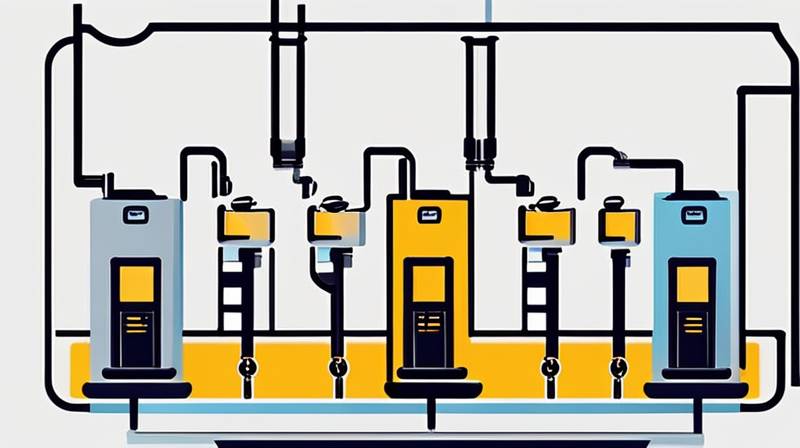
1. Energy storage anti-backflow control ensures efficient energy management in systems that utilize stored energy. 2. It prevents unwanted reverse energy flow, safeguarding equipment and enhancing overall system reliability. 3. Techniques include electrical setups, software algorithms, and mechanical solutions that help maintain the integrity of energy storage systems. 4. This control is particularly crucial in renewable energy installations like solar and wind farms, where excess energy can potentially damage infrastructure. One notable aspect of anti-backflow control is its role in enhancing safety measures for energy systems, especially when integrated with smart technology, which allows for real-time monitoring and automatic adjustments.
1. ENERGY STORAGE SYSTEMS OVERVIEW
Understanding energy storage systems is pivotal in grasping the significance of anti-backflow control. Energy storage technologies serve the crucial purpose of capturing and storing energy for later use, providing a buffer between energy supply and demand. Various forms of energy storage exist, including batteries, pumped hydroelectric storage, and flywheels, each with its unique mechanics and applications.
In essence, energy storage systems allow electricity generated during low-demand periods to be utilized during peak demand times. This not only optimizes energy usage but also enhances grid stability by providing a reliable energy reserve. However, with the increasing complexity of these systems, especially when integrated with renewable energy sources, the risk of reverse energy flow becomes more pronounced, necessitating effective anti-backflow measures.
Moreover, as energy storage systems become more prevalent, especially in residential and commercial settings, the importance of advanced controls cannot be understated. Efficient energy management hinges on preventing backflow, which can lead to losses in stored energy, equipment damage, and decreased system efficiency. Therefore, a deep dive into the mechanics and technologies surrounding anti-backflow measures is essential.
2. MECHANISMS OF ANTI-BACKFLOW CONTROL
Numerous mechanisms can be employed to facilitate anti-backflow control within energy storage systems. These mechanisms are designed to counteract the phenomenon of energy flow reversing from the load back into the storage, a process that can waste energy and impair system functionality. The primary technologies involved include one-way valves, smart converters, and advanced control systems.
One-way valves play a fundamental role in mechanical energy systems, allowing energy to flow in one direction while blocking reverse flow. In scenarios involving fluid energy storage, such as pumped hydro, these valves are crucial for maintaining the flow integrity and ensuring that stored energy is not inadvertently released back into the system. They are designed to provide a reliable physical barrier, thus ensuring that once energy is stored, it remains intact for future use.
Additionally, smart converters equipped with advanced software can regulate energy flow management. These devices monitor real-time energy production and consumption, automatically adjusting operation modes to prevent potential backflow scenarios. By implementing predictive algorithms, smart converters can analyze energy usage patterns and make informed decisions about when to release or withhold energy, significantly reducing instances of backflow. The integration of artificial intelligence into these systems further streamlines operations, enhancing responsiveness to changing energy demands.
3. IMPACT ON RENEWABLE ENERGY SYSTEMS
The intersection of anti-backflow control and renewable energy systems warrants in-depth exploration. Renewable resources such as solar and wind are inherently variable, producing energy based on environmental conditions. Consequently, successful integration of energy storage solutions is vital to mitigate supply fluctuations. Here, anti-backflow measures become indispensable.
In a solar energy setup, excess energy generated during sunny periods can create unwanted backflow into the grid, leading to significant challenges. Power quality issues may arise due to voltage fluctuations, affecting not only the solar installation but also surrounding grid infrastructure. Anti-backflow measures safeguard against these challenges by ensuring that excess energy is efficiently stored for later use, thereby reinforcing the reliability of renewable energy systems.
In addition to enhancing energy capture, effective anti-backflow controls also contribute to the overall safety and longevity of renewable energy installations. Protecting against reverse energy flow minimizes wear and tear on equipment, ultimately extending its lifespan and reducing maintenance costs. The economic implications are substantial; lower repair and operational expenses increase the overall viability of renewable energy projects, facilitating broader adoption of sustainable energy practices.
4. ECONOMIC CONSIDERATIONS
The economic implications of energy storage anti-backflow control are significant, influencing strategic decisions within the energy sector. Implementing robust backflow prevention measures not only fosters efficiency in energy systems but also supports ongoing advancements in renewable energy technologies.
Investments in advanced energy storage technologies equipped with anti-backflow controls can result in substantial long-term cost savings. By ensuring energy flows in purely intended directions, systems become more efficient, maximizing the return on investment for energy providers. Additionally, reduced equipment failures lead to diminished repair costs and enhanced system availability.
Furthermore, as regulatory frameworks increasingly promote sustainable practices, energy storage solutions that incorporate anti-backflow technologies become more attractive. Many regions are implementing incentives or subsidies designed to encourage the adoption of such systems, further enhancing their economic feasibility. Organizations that prioritize these technologies position themselves favorably within the evolving energy landscape, preparing for a future wherein renewable energy plays an integral role in meeting global demands.
5. STRATEGIES FOR IMPLEMENTATION
To effectively leverage energy storage anti-backflow control, organizations can implement several key strategies. These strategies encompass thorough assessment of existing systems, integration of advanced technologies, and continual monitoring to ensure optimal performance.
A comprehensive assessment of current energy storage systems identifies vulnerabilities and opportunities for implementing anti-backflow measures. Organizations should analyze historical data regarding energy production and consumption cycles to anticipate and address potential backflow situations proactively.
Incorporating advanced technologies such as smart inverters or real-time monitoring systems enhances operational oversight. Such technologies enable swift adjustments in energy flow management, allowing for timely responses to fluctuations in energy demand or supply. This proactive approach mitigates the risk of backflow, safeguarding both financial investments and system integrity.
Lastly, organizations should commit to ongoing assessments and updates to their anti-backflow strategies. Continuous monitoring solutions can provide real-time insights into system performance, enabling prompt modifications when necessary. This ensures sustained operational success, particularly in an energy environment characterized by rapid advancements and evolving demands.
FREQUENTLY ASKED QUESTIONS
WHAT ARE THE MAIN BENEFITS OF ENERGY STORAGE ANTI-BACKFLOW CONTROL?
The primary advantages include enhanced system reliability, increased energy efficiency, and prolonged equipment lifespan. By preventing reverse energy flow, these controls contribute to a more stable energy supply, fostering confidence among users and stakeholders. Moreover, efficient energy management leads to cost savings by maximizing energy utilization and minimizing waste, thus increasing the economic viability of energy storage projects. These benefits not only support individual installations but also contribute to broader energy resilience.
HOW DOES ANTI-BACKFLOW CONTROL AFFECT RENEWABLE ENERGY SYSTEMS?
Anti-backflow control plays a pivotal role in optimizing the performance of renewable energy systems. It mitigates the potential for energy losses that can occur due to fluctuations in production, particularly in solar and wind applications. By safeguarding against reverse energy flow, these controls enhance the stability of power systems, ensuring that excess energy generated during peak production is effectively redirected to storage for later use. This not only improves system reliability but also augments the overall adoption of renewable technologies.
WHAT TECHNOLOGIES ARE USED IN ANTI-BACKFLOW CONTROL?
A variety of technologies facilitate effective anti-backflow control in energy storage systems. These include mechanical solutions like one-way valves, which physically prevent reverse flow in fluid systems, and smart electronic converters, which utilize advanced algorithms to monitor and regulate energy flows. Integration of artificial intelligence further enhances the performance of these technologies, enabling adaptive responses to changing conditions. By leveraging a combination of these methods, organizations can effectively mitigate the risks associated with energy backflow.
Implementing robust energy storage anti-backflow control measures is paramount for achieving sustainable and reliable energy management. As energy systems continue to evolve, the need for effective safeguards against reverse energy flows has never been more critical. The reliance on renewable energy sources necessitates a proactive approach to energy storage, ensuring that solutions are not only effective but also economically viable. Advanced technologies that facilitate anti-backflow measures will undoubtedly contribute to the ongoing transformation of the energy landscape.
Furthermore, as energy consumption increases, managing the flow of energy becomes a vital component of system design and operation. Enhancing the reliability of energy systems through anti-backflow control not only supports current demands but also prepares the infrastructure for future challenges. By focusing on efficiency, safety, and sustainability, energy stakeholders can optimize their frameworks to align with the innovative trends shaping the future of energy usage.
In summary, the effective implementation of these measures is an investment not only in current operational stability but also in long-term success in the energy sector. The synergy between advanced technology and strategic energy management will drive progress towards a more sustainable and efficient energy future, making anti-backflow control an essential focus for organizations operating within this dynamic environment.
Original article by NenPower, If reposted, please credit the source: https://nenpower.com/blog/what-does-energy-storage-anti-backflow-control/

