

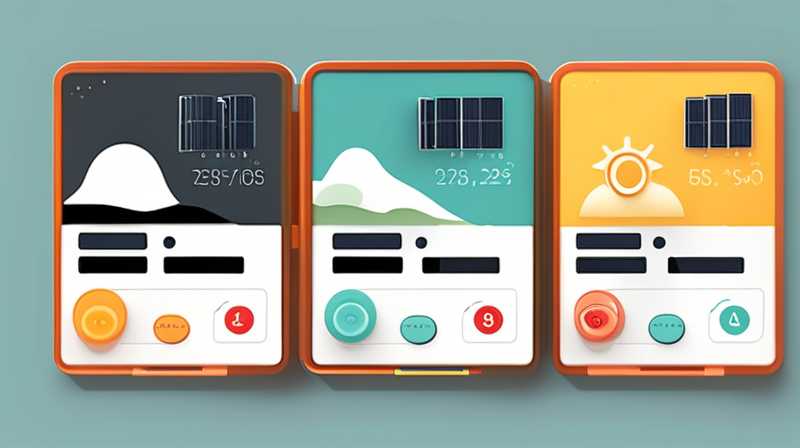
A solar thermostat display provides vital information regarding the operation and efficiency of a solar energy system by showcasing 1. Temperature readings, 2. System performance metrics, 3. Energy production data, 4. Settings for various modes. The temperature readings are crucial as they help in monitoring the environmental conditions and system performance. By understanding the temperature levels, users can make informed decisions about energy consumption and system adjustments. Additionally, the system performance metrics allow for evaluation of how well the system is functioning over time. This performance tracking is essential for long-term maintenance and optimization. The energy production data reflects the overall output of the solar panels, crucial for gauging the effectiveness of the solar setup against energy needs. Lastly, settings for various modes can be adjusted to optimize heating and cooling efficiently, contributing to comfort and energy savings.
1. UNDERSTANDING SOLAR THERMOSTATS
The function of a solar thermostat transcends mere temperature regulation. These devices are equipped with advanced algorithms that allow them to anticipate energy needs based on both indoor conditions and external weather patterns. They are integral to smart home systems, allowing better energy management and comfort. A significant characteristic of solar thermostats is their ability to capture data regarding temperatures both inside the dwelling and outside in real-time.
In more traditional setups, thermostats might merely respond to user settings or basic sensors, but solar thermostats adaptively modify their operations. This adaptability leads to improved efficiency in energy consumption, particularly important when dealing with systems reliant on solar energy. Moreover, the ability to gauge and respond to fluctuations in temperature helps prevent excessive energy expenditure, ensuring that homeowners can enjoy comfortable living spaces without incurring high energy bills.
2. DISPLAY ELEMENTS OF A SOLAR THERMOSTAT
The display of a solar thermostat typically features a combination of visual and textual indicators designed to convey vital information succinctly. Temperature indicators serve the primary function of displaying both current indoor and outdoor temperatures, allowing users to quickly assess their environment. Most devices offer the ability to set desired temperature points, which can then be monitored throughout the day.
Performance indicators are equally prominent on the display of a solar thermostat. These indicators often encompass metrics such as energy savings, the efficiency of solar panels, and battery levels if the system incorporates energy storage solutions. For instance, when paired with a solar panel system, the thermostat can illustrate how much energy is being utilized versus how much is being produced, helping users understand their energy dynamics effectively.
Another essential aspect of the display is the mode settings, which allows users to switch between heating, cooling, or energy-saving modes. This versatility ensures that the environment can be maintained optimally according to external conditions without manual adjustments.
3. IMPORTANCE OF ENERGY PRODUCTION DATA
Understanding the energy production data provided by solar thermostats is essential for users aiming to optimize their energy expenditures. This data typically includes real-time outputs from solar panels and historical performance metrics that allow for effective tracking of energy generation trends over time.
The real-time energy production stats inform users of how much energy their solar panels are generating at any moment. This data can alert users to potential issues within the solar array, such as shading from trees or debris on the panels, which may impact performance. This level of insight is vital for maximizing the efficiency of solar installations, as identifying and addressing problems promptly can lead to significant energy savings.
In addition to real-time data, the analysis of historical energy production can uncover patterns in energy generation based on seasonal or weather-related variations. By studying these trends, users can better predict their solar energy needs, optimize usage patterns, and make informed decisions about future energy management strategies.
4. ADJUSTABLE SETTINGS AND CONFIGURATION OPTIONS
Solar thermostats usually come with a variety of customizable settings that enhance their functionality. Users can typically configure scheduling options, which allow them to program specific temperature settings for different times of the day. This feature not only enhances comfort but also aids in optimizing energy consumption by heating or cooling a property only when necessary.
Moreover, advanced models offer smart features that enable remote access via smartphone applications. This connectivity allows users to modify settings, check system performance, and receive alerts about unusual temperature fluctuations or system issues. Such functionality is especially beneficial for those who travel frequently or wish to monitor their energy consumption actively.
Another crucial aspect of these settings is the integration of weather forecasts into operational functions. Many solar thermostats now utilize data on incoming weather changes to adjust their heating and cooling patterns automatically. For instance, if a drop in temperature is predicted, the device can proactively increase heat levels to ensure comfort before the cold front arrives.
5. THE ROLE OF USER INTERFACE IN EASE OF USE
The user interface of solar thermostats plays a pivotal role in the consumer experience. A well-designed interface enhances usability and promotes user interaction with the device, minimizing the learning curve often associated with complex technologies.
Effective interfaces typically feature intuitive touch screen displays that provide clear visuals and easy navigation. Users should be able to quickly find the information they need, from current temperature readings to detailed energy reports. A lack of complexity in design cultivates user engagement, encouraging homeowners to interact with their systems regularly.
In addition to visual appeal, audio or haptic feedback can also play a role in user interface efficiency. By providing confirmations of user inputs or alerts for changes in conditions, these feedback mechanisms help ensure that users feel in control and informed about their system’s operation. This level of interaction fosters a better understanding of energy usage and can lead to more conscientious energy consumption habits.
6. MAINTENANCE AND TROUBLESHOOTING
Maintaining a solar thermostat is integral to ensuring its long-term functionality. Regular checks and updates can prevent minor issues from turning into significant outages. Several maintenance steps are crucial, such as keeping the sensor areas clean and free of obstructions. Dust and dirt can affect the accuracy of temperature readings, leading to inefficient operation.
Additionally, periodic software updates are essential to ensure that the thermostat operates optimally. Many modern thermostats have features that enable them to download updates automatically, providing users with new functions or security enhancements without requiring manual intervention. Users should occasionally check their thermostat’s settings to ensure all features are functioning as intended.
When issues arise, troubleshooting can often be done using the thermostat’s display. Error codes may appear, directing the user to specific problems. Common issues include connectivity troubles, which can usually be resolved by resetting the device or reconnecting to the Wi-Fi network. Maintaining communication with customer support or reviewing online resources can also help address more complex concerns that may emerge.
7. ENVIRONMENTAL IMPACT OF SOLAR THERMOSTATS
The integration of solar thermostats into households plays a critical role in promoting sustainability. By managing energy consumption effectively, these devices can lead to a notable decrease in fossil fuel reliance. As energy needs are increasingly met through solar production, the environmental benefits become tangible.
Furthermore, the ability to monitor and assess energy usage encourages users to adopt more sustainable habits. Awareness of energy consumption patterns reinforces the importance of energy efficiency and can lead to broader societal changes regarding energy use and climate impact.
By promoting the efficient use of solar energy, these thermostats contribute directly to lowering carbon footprints. When coupled with solar panel systems, they ensure maximized energy capture and utilization, thus supporting ongoing efforts to combat climate change while providing economic benefits to users.
FREQUENTLY ASKED QUESTIONS
WHAT IS THE MAIN FUNCTION OF A SOLAR THERMOSTAT?
The primary function of a solar thermostat is to regulate indoor temperatures while leveraging solar energy efficiently. These thermostats gather and process data from both interior and exterior sensors to ensure optimal energy usage. By connecting with a solar energy system, they monitor performance metrics, control domestic heating and cooling systems, and provide users customized schedules to promote energy savings. The real-time data enables homeowners to adjust their energy use according to the availability of solar-powered electricity and external weather conditions, ultimately fostering a comfortable living environment while contributing to eco-friendly practices.
HOW DOES A SOLAR THERMOSTAT IMPACT ENERGY BILLS?
Utilizing a solar thermostat can significantly reduce energy bills by optimizing energy consumption patterns. By intelligently managing heating and cooling functions based on both solar energy generation and current weather conditions, solar thermostats enhance the efficiency of the systems they control. They allow homeowners to program schedules that reduce energy use during peak hours by utilizing stored solar energy when electricity costs are higher. Over time, this leads to considerable savings on utility bills, resulting in a return on the investment made in solar energy infrastructure. Additionally, as homeowners become more conscious of their energy usage, they are likely to adopt further energy-saving practices, contributing to even lower energy costs.
CAN SOLAR THERMOSTATS BE INTEGRATED WITH SMART HOME SYSTEMS?
Absolutely, solar thermostats can seamlessly integrate with various smart home systems, offering enhanced functionality and convenience. Through wireless connectivity, they can communicate with other devices such as smart speakers, lights, and security systems. This integration facilitates the creation of comprehensive automation routines that enhance overall energy efficiency. For instance, users can develop scenarios where the thermostat adjusts heating or cooling in correlation with the operation of other devices, based on occupancy or external temperature changes. Moreover, remote access through smartphone applications enables homeowners to monitor and manage their energy consumption even when away from home, providing greater control over their solar energy usage and contributing to a smarter living environment.
The significance of solar thermostat displays extends beyond simple temperature readings; they are central to optimizing the performance of solar energy systems for both comfort and efficiency. These advanced devices offer crucial insights into not only the current environmental conditions but also allow for effective monitoring of energy production, which is integral to the effective use of renewable energy sources. Users benefit from robust features that allow for customization, real-time feedback, and integration into broader smart home ecosystems. This comprehensive view of energy usage partnered with intuitive user interactions empowers homeowners to make informed decisions regarding their energy consumption patterns. As the market trends towards sustainable energy solutions, solar thermostats will play a critical role in shaping the future of energy management, ensuring that both environmental and economic benefits are realized. By promoting effective energy use, they not only contribute to cost savings but also to vital ecological conservation efforts. With the ability to adapt to changing conditions and meet the needs of modern households, solar thermostats stand at the forefront of energy innovation, encouraging a shift towards greener practices and sustainable living across the globe.
Original article by NenPower, If reposted, please credit the source: https://nenpower.com/blog/what-does-a-solar-thermostat-display/

