

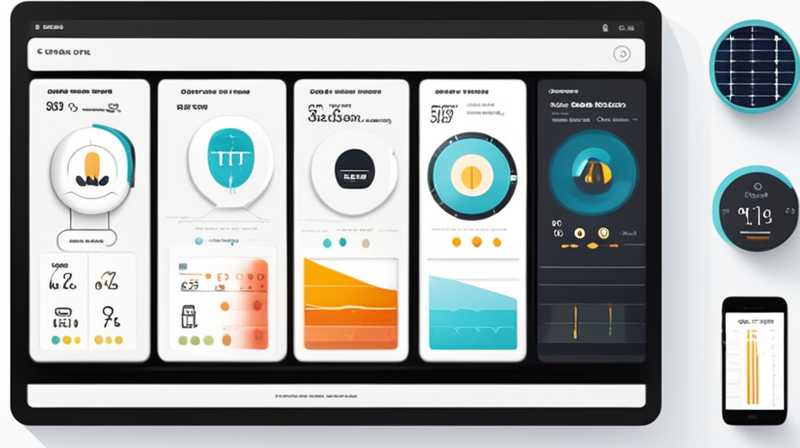
A solar monitoring kit typically includes several essential components that enable users to track the performance and efficiency of their solar energy systems. 1. Solar data logger, which captures performance metrics, 2. Inverters, important for converting DC to AC power, 3. Sensors, for measuring solar radiation and temperature, 4. Communication devices, ensuring data transfer, and 5. Software platforms, allowing for analysis and reporting. Each of these components plays a critical role in maintaining optimal performance and understanding the energy production of the solar installation, which can ultimately lead to increased energy savings and more informed energy management.
1. SOLAR DATA LOGGER
A solar data logger serves as the central hub for collecting and recording performance metrics from the solar photovoltaic system. These devices are equipped with multifunctional capabilities, enabling them to gather data on various parameters, such as the amount of energy generated, system efficiency, and energy consumption. A central aspect of data loggers is their ability to store this information over specified time intervals, allowing users to track energy production trends over days, weeks, or even months.
Moreover, many advanced data loggers come with the capability to interface with other devices in the solar energy system, such as inverters and sensors, for seamless integration. This facilitates comprehensive monitoring, allowing users not only to visualize their energy production but also to diagnose issues that may affect the overall efficiency of the solar power system. By analyzing historical data, users can formulate strategies to maximize energy generation, ultimately contributing to energy cost savings.
2. INVERTERS
Inverters are pivotal components within solar energy systems, responsible for converting direct current (DC) generated by solar panels into alternating current (AC) for use in homes and businesses. The quality and efficiency of the inverter play a crucial role in the overall performance of the solar energy system. Higher-quality inverters typically exhibit lower energy losses during the conversion process, which translates to increased overall energy production.
Furthermore, inverters often come with built-in monitoring capabilities. Some models include state-of-the-art features, such as communication interfaces and monitoring software, which allow users to track their solar system’s performance in real-time. This real-time feedback is invaluable as it enables users to quickly identify performance issues, solve problems, and ensure that the solar energy system operates at optimum efficiency. Users can analyze energy usage, identify peak production hours, and modify energy consumption habits accordingly.
3. SENSORS
Effective solar monitoring requires the integration of various sensors designed to provide precise environmental data that can directly impact energy production. Common sensors include pyranometers that measure solar radiation, temperature sensors, and wind speed monitors. Pyranometers are particularly significant as they quantify the intensity of solar rays entering the solar panels, providing insights on current energy generation capacity.
In a solar energy installation, understanding the environmental factors influencing solar panel performance is crucial. For example, temperature sensors help monitor the operating temperature of the panels, as excessive heat can reduce their efficiency. Additionally, monitoring wind speed can assist in assessing potential debris or shading issues that might impede solar energy generation. By amalgamating data from these sensors, users can create a thorough performance profile of their solar energy system, facilitating informed decisions about future enhancements or maintenance tasks.
4. COMMUNICATION DEVICES
Communication devices serve as essential links between various components of the solar energy system and the user’s viewing platform. These devices typically employ wireless technologies to relay data from data loggers and sensors to centralized monitoring software. Communication technologies may include options such as Wi-Fi, Ethernet, and cellular networks, each providing unique advantages tailored to different monitoring needs.
The use of communication devices allows users to receive alerts and notifications about system performance directly on their mobile devices or computers. Users can monitor energy production metrics remotely, increasing the convenience of accessing real-time data. Additionally, centralized dashboards can provide comprehensive insights, enhancing users’ ability to analyze their solar energy investment effectively. By leveraging communication technology, stakeholders can ensure ongoing performance monitoring and swift responses to any system irregularities.
5. SOFTWARE PLATFORMS
To process and analyze the data collected from solar monitoring kits, software platforms provide users with a user-friendly interface. These software applications can consolidate performance metrics, allowing for insightful analysis and comprehensive reporting. By visualizing historical performance data, users can identify trends, potential areas for improvement, and the overall health of their solar energy system.
Many software platforms also enable integration with other energy management tools, giving users a holistic view of their energy consumption and production. Some platforms even offer predictive capabilities, forecasting energy needs and suggesting optimal energy usage strategies based on past trends. Collaborating with these software tools empowers users to harness the full potential of their solar energy systems, ensuring sustained energy efficiency and maximized return on investment.
6. POWER METERS
Power meters are vital components in solar monitoring kits, offering precise measurements of the energy produced and consumed by the solar energy system. These meters typically measure real-time energy output and energy usage, providing users with a comprehensive understanding of their system’s performance. By observing energy consumption patterns alongside production, users can identify discrepancies or inefficiencies that may require attention.
Moreover, advanced power meters can facilitate the connection between the solar system and the grid. In grid-tied systems, power meters can track the energy exported back to the utility grid, allowing users to capitalize on net metering arrangements if applicable. As energy markets evolve, power meters play a pivotal role in enabling users to maximize benefits from solar power installations while ensuring adherence to regulations and requirements.
7. MOUNTING HARDWARE
While often overlooked, mounting hardware is a fundamental component of solar energy systems that ensures optimal positioning of solar panels. The design and quality of mounting hardware can impact both the efficiency and longevity of solar installations. Proper installation of solar panels through durable and reliable mounting systems ensures that panels remain securely positioned, even in extreme weather conditions.
Additionally, mounting hardware can influence solar energy production by maximizing sun exposure. Adjustable mounting systems may allow for changes in angle or orientation according to seasonal variations, thereby enhancing energy capture throughout the year. As the efficiency of solar panels can be affected by their placement, investing in high-quality mounting hardware is essential for obtaining the best performance from a solar energy system and optimizing the investment in solar technology.
8. BATTERIES
In installations where energy independence is desired, battery storage allows for excess solar energy generated during peak sunlight hours to be stored for later use. Including batteries in a solar monitoring kit creates a comprehensive energy management solution. These batteries facilitate energy self-consumption by enabling users to draw on stored energy when demand outstrips production, such as during nighttime or cloudy days.
Furthermore, battery systems often come with their monitoring solutions, providing insights into state-of-charge and energy flow. This information is crucial for understanding how much energy can be reliably drawn from the battery, as well as identifying efficiency levels within the combined solar energy system. By integrating battery storage solutions with solar monitoring kits, users can achieve a greater level of energy autonomy, making them better prepared for potential grid outages and fluctuations in energy costs.
FAQs
WHAT ARE THE BENEFITS OF USING A SOLAR MONITORING KIT?
Utilizing a solar monitoring kit offers several advantageous outcomes for users. 1. Performance tracking is paramount, allowing users to assess the efficiency of their solar systems in real time. This ongoing analysis helps identify variations in energy production which may indicate underlying issues. 2. Cost savings can also be realized, as optimizing the performance of solar panels ensures users take full advantage of generated energy, ultimately reducing energy costs. 3. Maintenance is simplified, as monitoring kits often provide alerts for system irregularities, enabling timely interventions to prevent further complications. 4. Increased awareness regarding energy consumption patterns can empower users to make informed decisions and alter their consumption habits to maximize the benefits of their solar investments. Through these benefits, users can experience enhanced energy efficiency and increased savings over time.
HOW DOES A SOLAR MONITORING KIT WORK?
A solar monitoring kit functions by collecting data from various components of a solar energy system and analyzing it through software applications. Each component, including data loggers, inverters, sensors, and power meters, has specific roles in gathering information regarding energy generation and consumption. For example, sensors measure various environmental factors like solar intensity and temperature, while data loggers record performance metrics. The communication devices then relay this information to centralized software platforms, where users can visualize their system’s performance. This integration allows for real-time monitoring, historical analysis, and troubleshooting capabilities. Functionally, solar monitoring kits enable users to optimize performance and engage in proactive management practices, improving the overall efficiency of their solar installations.
CAN A SOLAR MONITORING KIT HELP IN TROUBLESHOOTING?
Indeed, a solar monitoring kit can significantly aid in diagnosing performance issues within a solar energy system. By continuously collecting data from various components, these kits provide real-time insights that can help users identify irregularities that may affect overall performance. For instance, if energy production suddenly drops, the monitoring system can quickly highlight the corresponding data on solar radiation levels, inverter performance, and sensor readings, aiding users in pinpointing the source of the problem. Additionally, the alerts and notifications issued by solar monitoring kits can prompt users to address issues promptly before they escalate into more significant concerns. This proactive monitoring mentality inherently supports the system’s sustained efficiency and performance, ultimately reducing downtime and maximizing energy generation.
The significance of a solar monitoring kit lies in its multifaceted components, each expertly designed to improve the efficiency and management of solar energy systems. Each aspect—from data collection to performance analysis—plays a vital role in ensuring optimal solar performance. By investing in a comprehensive solar monitoring kit, users can experience a myriad of benefits, including enhanced productivity, improved energy management, and notable cost savings. As the landscape of renewable energy continues to evolve, the necessity for detailed performance insight will expand, making the implementation of such kits paramount in solar energy applications.
In light of this, stakeholders in the renewable energy sector would greatly benefit from the insights offered by monitoring kits, allowing for a more informed approach to energy management, addressing maintenance requirements proactively, and maintaining optimal energy production levels. By embracing technology that facilitates comprehensive monitoring, users can enhance their understanding of their solar energy systems, leading to better decision-making and maximizing overall investment in solar technology. Furthermore, as solar power becomes a more integral aspect of energy solutions worldwide, the continuing advancement and complexity of solar monitoring kits will play a crucial role in the global transition toward sustainable energy. Investing in such tools does not merely reflect an individual commitment to renewable energy; it represents a significant step toward fostering a worldwide commitment to sustainability and energy independence.
Original article by NenPower, If reposted, please credit the source: https://nenpower.com/blog/what-does-a-solar-monitoring-kit-include/

