

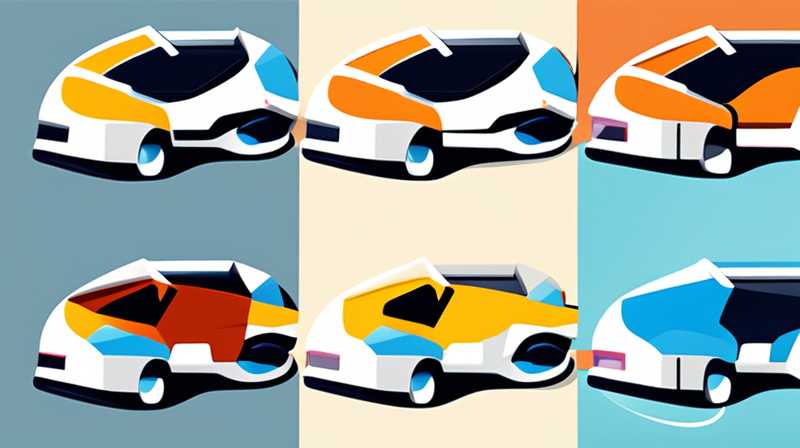
1. Solar electric cars are vehicles that integrate solar panels into their design, using sunlight to generate electricity for propulsion. 2. These cars often feature sleek, aerodynamic designs that maximize energy efficiency. 3. The interior typically incorporates advanced technologies that optimize both comfort and utility. 4. Solar electric cars aim to reduce greenhouse gas emissions and dependence on fossil fuels. 5. The driving experience is highlighted by near-silent operation and energy regeneration capabilities.
1. DESIGN INNOVATIONS OF SOLAR ELECTRIC CARS
The aesthetic appeal of solar electric automobiles is one of their most striking features. Manufacturers have invested a great deal of resources into creating visually compelling designs that not only please the eye but also enhance performance. Aerodynamics play a critical role in vehicle efficiency since a streamlined shape minimizes air resistance, allowing the vehicle to maintain speed while using less energy. For instance, many solar electric cars have smooth contours and low profiles that create less drag, contributing not only to aesthetic value but also to practical functionality.
Styling elements such as lightweight materials enhance overall efficiency, enabling vehicles to utilize solar energy more effectively. Materials like carbon fiber, lightweight metals, and advanced composites provide durability while significantly reducing weight. With lower mass, these vehicles can accelerate faster and achieve higher ranges on a single charge. This makes solar electric cars not just visually engaging but also highly functional, maximizing their advantages in everyday use.
2. TECHNOLOGICAL ADVANCEMENTS IN SOLAR ENERGY USE
The integration of advanced technologies is a cornerstone of solar electric vehicles. One of the primary innovations is the incorporation of high-efficiency solar panels directly into the vehicle’s structure. These panels can capture sunlight and convert it into electricity, powering the car’s electric motor or charging its battery. Companies are continually improving solar cell efficiency, pushing beyond traditional limits and enabling more energy generation even on cloudy days.
Energy storage has also evolved, with batteries becoming lighter, more efficient, and longer-lasting. In addition, regenerative braking systems in solar electric cars assist in recovering energy that would typically be lost during braking. This captured energy can be redirected to recharge the vehicle’s battery, contributing to overall energy efficiency. Such systems help mitigate the limitations of solar energy generation, especially during periods of limited sunlight access.
3. PERFORMANCE CAPABILITIES OF SOLAR ELECTRIC CARS
When discussing the performance of solar electric cars, one cannot overlook the significant advantages offered by their electric drivetrains. These vehicles often boast instant torque, allowing for rapid acceleration without the lag typical of internal combustion engines. This characteristic can transform the driving experience, turning everyday commutes into enjoyable, dynamic drives.
Ranges on solar electric vehicles are steadily improving, with modern designs often surpassing their traditional counterparts. Harnessing solar energy contributes to extended driving distances by supplementing battery power. Despite varying weather conditions impacting efficiency, the combination of solar power and enhanced battery performance provides a remarkable driving range compared to conventional electric vehicles. This capability emphasizes the versatility of solar electric cars, allowing them to cater to diverse lifestyles.
4. ENVIRONMENTAL IMPACT AND SUSTAINABILITY
Environmental consideration is paramount in the design and functionality of solar electric vehicles. By utilizing sunlight as a primary energy source, these cars significantly reduce their carbon footprint. The shift away from fossil fuels aligns well with contemporary sustainability initiatives, aiming to lower greenhouse gas emissions. Solar electric cars contribute to cleaner air and the reduction of climate change implications through their minimal emissions.
Furthermore, the lifecycle analysis of solar electric vehicles reveals advantages in material selection and manufacturing processes. Many manufacturers are committed to sustainable practices, employing recyclable materials and improving the efficiency of their production processes. As the automotive industry evolves, solar electric cars stand at the forefront, setting a benchmark for environmentally responsible vehicles and encouraging eco-conscious consumer choices.
5. USER EXPERIENCE AND INTERIOR DESIGN
The interior of solar electric cars reflects a blend of modernity and functionality. Advanced technology integrations make user interactions seamless and intuitive. Digital dashboards provide real-time data, including energy consumption, charge status, and navigation, all aimed at enhancing the driving experience and optimizing energy use.
Comfort is not forsaken for technology; many solar electric vehicles offer spacious interiors, comfortable seating arrangements, and customizable ambient lighting. Additionally, the inclusion of smart features like voice-activated controls and advanced entertainment systems complements the overall user experience. These elements combine to ensure that not only is the act of driving enjoyable, but so too is the time spent within the vehicle itself.
6. MARKET TRENDS AND FUTURE OF SOLAR ELECTRIC CARS
The current market is witnessing a growing interest in solar electric vehicles, largely attributed to advances in technology and rising environmental awareness. Consumer demand for sustainable transportation options is on the rise, pushing manufacturers to innovate continually. Prominent automotive companies have introduced models that integrate solar technology, capturing both niche market appeal and mainstream acceptance.
Looking toward the future, solar electric cars are anticipated to evolve further, potentially becoming a common sight on roadways. Increased investments in research and development, combined with supportive government policies aimed at promoting renewable energy, will likely foster this growth. Collaborative efforts across industries can enhance solar technologies, propelling advancements that make solar electric cars more efficient and accessible to the general public.
7. COST ANALYSIS AND ECONOMIC CONSIDERATIONS
A critical aspect of adopting solar electric vehicles lies in their economic implications. Initial costs might be higher than traditional vehicles due to advanced technologies and components involved. However, the long-term savings associated with fuel and maintenance cannot be overlooked. Users find that solar electric cars lead to reduced operating costs, as electricity is typically cheaper than gasoline and fewer mechanical parts result in lower maintenance budgets.
Government incentives also factor into economic considerations. Many regions offer tax credits or rebates for individuals purchasing electric vehicles, making the transition financially viable. As awareness grows, it’s expected that more financial models will be developed to make solar electric vehicles increasingly attainable, thus capturing a broad swath of consumers looking to make informed choices.
FAQ
HOW DO SOLAR ELECTRIC CARS WORK?
Solar electric vehicles operate by capturing sunlight through integrated solar panels, converting this energy into electricity to power the vehicle’s electric motor and recharge its battery system. The electricity generated is facilitated through photovoltaic cells, which play a crucial role in harnessing solar energy. Many solar electric vehicles combine this energy generation with traditional electric vehicle technologies. This dual approach maximizes efficiency, enabling the vehicle to travel both in sunny conditions and during cloudy weather. Overall, the solar component contributes significantly to extending driving range, as energy generated feeds into the battery when not in use. This innovation presents a promising avenue for reducing reliance on fossil fuels and minimizing overall emissions in transportation.
ARE SOLAR ELECTRIC CARS AFFORDABLE?
The affordability of solar electric vehicles is multifaceted and varies significantly depending on make and model. Initial purchase prices can be higher than traditional internal combustion engine vehicles due to the advanced technologies involved. However, the long-term financial implications tend to favor solar electric vehicles, as they present lower operational costs. Users benefit from decreased fuel expenses since electricity is generally cheaper than gasoline. Furthermore, reduced maintenance needs lead to fewer expenses over time. Incentives offered by local governments or municipalities can also facilitate affordability by providing tax credits or rebates, making solar electric vehicle ownership financially more appealing. In time, as technology progresses and mass production scales, price points are anticipated to decline, potentially increasing affordability and adoption rates among a broader consumer base.
WHAT ARE THE MAIN BENEFITS OF SOLAR ELECTRIC CARS?
Solar electric vehicles present an array of benefits that position them as an increasingly viable alternative to traditional vehicles. Primarily, these cars contribute to a sustainable future, utilizing renewable energy sources that considerably diminish greenhouse gas emissions. This feature helps combat climate change, aligning with global efforts to enhance environmental health. Beyond ecological advantages, solar electric vehicles are often equipped with cutting-edge technologies that enhance user experiences. The integration of advanced energy management systems optimizes performance and can lead to reduced energy costs over time. Furthermore, the quiet operation and minimal maintenance requirements associated with these vehicles provide a seamless driving experience, ensuring they are appealing choices for consumers prioritizing efficiency and sustainability.
In summary, solar electric cars exemplify innovative approaches to modern transportation. Their striking designs, advanced technological integration, and eco-friendliness create a compelling case for their adoption. By understanding their features and benefits, consumers can make informed decisions, aligning their transportation choices with broader sustainability goals. As the market evolves, the potential for solar electric vehicles continues to expand, paving the way for a cleaner and more efficient future in personal and commercial transportation.
Original article by NenPower, If reposted, please credit the source: https://nenpower.com/blog/what-does-a-solar-electric-car-look-like/

