

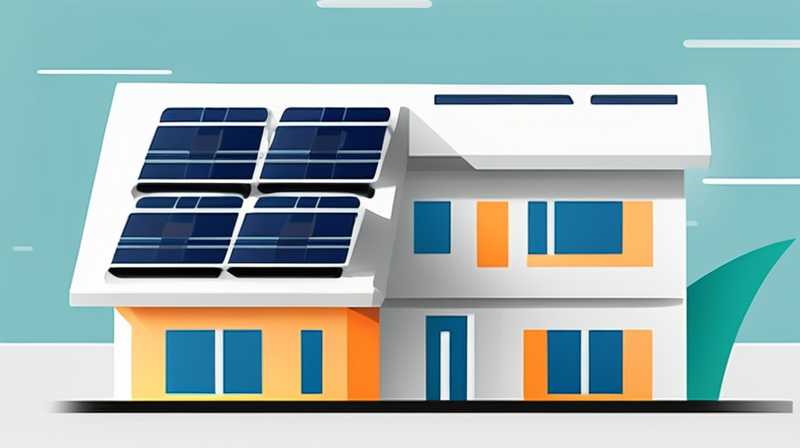
When considering the installation of indoor solar energy systems, several key elements are necessary for a successful setup. 1. Solar panels, 2. Inverter, 3. Battery storage, 4. Charge controller, 5. Installation equipment. Each component plays an essential role in converting sunlight into usable power within your home or facility. Notably, the choice of solar panels is crucial, as it directly affects the energy generation capacity and long-term savings on electricity bills. Opting for high-efficiency panels ensures maximum output and the ability to meet various energy demands.
SOLAR PANELS: A CRUCIAL COMPONENT
The backbone of any indoor solar energy system is the solar panels themselves. These devices capture sunlight and convert it into direct current (DC) electricity through the photovoltaic effect. Selecting the right type of panels, such as monocrystalline, polycrystalline, or thin-film, is important, as each has unique advantages and disadvantages in terms of efficiency, cost, and space requirements. Monocrystalline panels are known for their high efficiency and long lifespan, making them an attractive option for residential spaces.
In contrast, polycrystalline panels are generally more cost-effective but may require more installation area due to their lower efficiency ratings. The installation method and orientation of solar panels can significantly influence their performance. Panels should ideally be placed where they receive maximum sunlight exposure throughout the day, such as rooftops or open areas away from shadows cast by trees or buildings. Ensuring a clear pathway for sunlight minimizes energy loss and increases the overall efficacy of the system.
INVERTER: THE HEART OF POWER CONVERSION
Next in importance is the inverter, which plays a pivotal role in converting the DC electricity generated by solar panels into alternating current (AC) electricity, suitable for household use. Inverters come in various configurations, including string inverters, micro-inverters, and power optimizers. String inverters are widely used in residential setups due to their favorable cost-to-performance ratio. However, they may not perform as efficiently in shaded conditions compared to micro-inverters, which operate independently on each panel.
When selecting an inverter, both the size and type must be compatible with the overall energy demands of the household. An inverter with a capacity slightly above the expected peak load ensures a consistent supply of power. Additionally, features such as monitoring capabilities should be considered, allowing homeowners to track energy production and consumption effectively. Through proper integration of inverters, homeowners can achieve optimal energy management and reduce utility expenses.
BATTERY STORAGE: ENABLING ENERGY AUTONOMY
Another critical component is battery storage, which stores excess energy generated during peak sunlight hours for use during cloudy conditions or nighttime. This capability enhances the reliability of indoor solar energy systems, allowing homeowners to become less reliant on the grid. Lithium-ion batteries are increasingly popular due to their high efficiency, compact size, and longevity. They can hold a significant charge and discharge with minimal losses, ensuring that energy stored can be effectively utilized as needed.
While lead-acid batteries are a more traditional option, they typically require more space and maintenance while offering shorter lifespans. Investing in appropriate battery storage is essential to maximize energy savings and enhance the sustainability of a solar energy system. To select the right battery capacity, homeowners must assess their energy consumption patterns and determine the duration of backup power desired during outages. Properly sized battery storage not only assures energy availability but also promotes sustainable living by integrating renewable energy solutions.
CHARGE CONTROLLER: MAINTAINING SYSTEM HEALTH
A charge controller plays an essential role in regulating the voltage and current coming from solar panels to the batteries. It protects the battery from overcharging and deep discharging, which can lead to deterioration and shortened lifespan. There are two primary types of charge controllers: PWM (Pulse Width Modulation) and MPPT (Maximum Power Point Tracking). MPPT charge controllers are generally more efficient, especially when working with larger systems or in varying weather conditions.
By optimizing energy capture and conversion, these controllers ensure that solar energy is used efficiently, mitigating potential losses. Choosing the right charge controller is crucial for maintaining the health of the battery storage system and maximizing overall performance. This decision should take into consideration the specific characteristics of the solar energy setup and the battery type employed.
INSTALLATION EQUIPMENT AND PROCESSES
To successfully install an indoor solar energy system, adequate installation equipment and tools are also required. Essential tools include mounting brackets, racking systems, electrical wiring, and safety gear. Proper mounting is critical for ensuring panels remain secure and correctly aligned for optimal sunlight exposure. On the other hand, correct wiring techniques are necessary to minimize energy loss and enhance the system’s overall safety.
It is generally advisable to have an expert installer conduct the installation, as they possess specialized knowledge and experience to navigate potential challenges effectively. Hiring professionals not only guarantees safety compliance but also ensures the system’s design is executed with precision. Thorough considerations of local building codes and permits should also guide the installation phase, preventing any legal or operational setbacks. Each step in this process contributes to the long-term reliability and efficiency of the indoor solar energy system.
MAINTENANCE: SUSTAINING LONG-TERM PERFORMANCE
Once the indoor solar system is installed, ongoing maintenance is necessary to maintain its efficiency. Solar panels are relatively low-maintenance, but ensuring they are clean and free from debris is essential for optimal performance. Regular inspections can detect any wear, damage, or inefficiencies in the system, allowing for timely repairs. A proper maintenance schedule should include checks on the inverter and battery condition, as well as periodic cleaning of panels, ensuring that the system remains in peak operating condition.
Additionally, monitoring software can be utilized to track energy production and consumption effectively. This insight allows homeowners to identify trends, optimize energy usage, and spot issues before they lead to significant system failure. Ultimately, a commitment to ongoing maintenance extends the lifespan of the system, reduces unforeseen costs, and maintains the sustainability ethos driving indoor solar energy adoption.
FREQUENTLY ASKED QUESTIONS
1. WHAT ARE THE COSTS ASSOCIATED WITH INSTALLING INDOOR SOLAR ENERGY SYSTEMS?
The costs related to indoor solar energy systems vary widely based on several factors, including system size, type of equipment, and installation expenses. On average, a residential solar energy system can range from $15,000 to $25,000 before any tax credits or incentives. Equipment costs will encompass solar panels, the inverter, battery storage, and charge controllers. Installation costs can also fluctuate depending on the complexity of the installation and the geographical location. Local solar incentives can significantly offset expenses, so researching available financial aid or rebates is crucial.
2. HOW MUCH ENERGY CAN BE GENERATED USING INDOOR SOLAR PANELS?
The energy generated by indoor solar panels depends primarily on factors such as the size of the solar array, the efficiency of the panels, and the amount of sunlight they receive. On average, one solar panel can produce between 250 to 400 watts of power per hour under optimal conditions. For a conventional residential system comprising multiple panels, users can expect substantial savings on their electricity bills over time, especially in regions with generous sunlight. Detailed performance assessments should be conducted to determine the potential energy output for specific locations and setups.
3. ARE THERE ANY INCENTIVES OR REBATES FOR INSTALLING SOLAR ENERGY SYSTEMS?
Many governments and utility companies offer incentives and rebates designed to encourage the adoption of solar energy systems. These incentives can come in the form of tax credits, cash rebates, or renewable energy certificates. For instance, in the United States, the federal solar tax credit allows homeowners to deduct a percentage of the installation costs from their federal taxes. Additionally, some states have their own incentive programs which can further reduce the costs of solar installations. Researching local and federal programs is essential for maximizing financial benefits associated with solar energy investment.
SUSTAINABILITY IN THE MODERN AGE
Adopting indoor solar energy systems signifies not just a shift towards self-sufficiency but also an acknowledgment of the pressing need for sustainable energy solutions. The integration of solar technology promotes a myriad of environmental benefits, contributing to the mitigation of climate change by reducing reliance on fossil fuels. Through the understanding and application of solar principles, individuals and businesses can harness natural resources efficiently, promoting a healthier planet.
As technological advancements in solar energy continue to flourish, the potential for systems to become even more efficient and cost-effective increases. The future of energy lies in renewable solutions, and indoor solar installations are a pivotal step toward achieving that vision. By investing in solar energy, people not only enhance their energy autonomy but also contribute to the global movement for sustainability, fostering the ongoing transition towards greener energy sources.
Maximizing solar energy investment involves not only initial setup but also a commitment to long-term maintenance and optimization. Proper decisions in selecting high-quality equipment, professional installation, and diligent maintenance practices ensure that solar systems meet energy demands effectively. This not only leads to significant utility savings but also cultivates an ethos of responsibility toward sustainability and environmental stewardship. The journey toward adopting solar energy is a significant venture, one that reflects values of innovation, respect for natural resources, and community responsibility toward nurturing a sustainable future.
Original article by NenPower, If reposted, please credit the source: https://nenpower.com/blog/what-do-you-need-to-install-indoor-solar-energy/

