

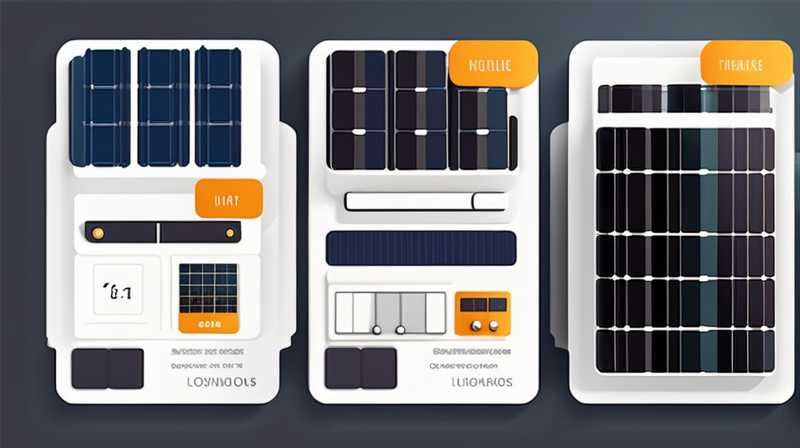
Solar panels typically exhibit a distinct appearance characterized by sleek, flat surfaces designed to absorb sunlight for energy conversion. 1. Solar panels consist of photovoltaic cells, often encased in glass, giving them a polished look, 2. They feature a black or dark blue hue, which enhances their ability to capture solar energy, 3. The size and configuration can vary, usually arranged in rectangular or square formations, 4. Installation can range from rooftop setups to ground-mounted arrays, resulting in visual diversity. In in-depth exploration, the visual elements of solar panels affect not only their functionality but also the architectural aesthetics of a property.
1. DESIGN AND STRUCTURE
When one examines solar panels, the design takes center stage. Solar panels, predominantly rectangular in shape, are essentially composed of photovoltaic (PV) cells arranged in a grid-like pattern. The cells are engineered to harness sunlight, converting it into usable electrical energy. These cells are mounted within a frame, often made of aluminum, to enhance durability and provide structural stability. The glass covering the cells serves a dual purpose: protecting the cells from environmental factors while allowing maximum sunlight penetration.
The color of solar panels plays a crucial role in their functionality. Most panels adopt a dark hue, especially black or dark blue, which facilitates better absorption of solar rays. This specific coloration is not merely aesthetic; it is scientifically optimized to enhance energy capture efficiency. Furthermore, the surface is designed to be as smooth as possible to minimize light reflection, enabling greater absorption.
In addition to residential applications, solar panels are also increasingly being utilized in commercial settings. In large-scale solar farms, numerous panels are arranged in rows to maximize exposure to sunlight. The collective sight of these expansive installations produces a contrasting visual effect against the landscape, blending technology with nature.
2. VARIATIONS AND TYPES
Diverse types of solar panels exist, each with distinct visual characteristics. The most common varieties include monocrystalline, polycrystalline, and thin-film panels. Monocrystalline panels often possess a more uniform dark color, appearing sleek and modern due to their high efficiency and space-saving design. Their rounded edges add to a sophisticated aesthetic, making them favored for residential rooftops.
Polycrystalline panels, on the other hand, exhibit a speckled appearance due to their composition, resulting from silicon fragments fused together. This gives them a less uniform look compared to monocrystalline counterparts, though they provide ample energy output. Their blue color can be striking, particularly when installed on properties with lighter roofing materials, creating a unique visual contrast.
Thin-film solar panels present a different shape and feel. They are lightweight and flexible, capable of being integrated into various materials, such as building facades or even automotive surfaces. This adaptability allows for more creative design options, enhancing urban aesthetics. While they might not be as visually striking as their crystalline counterparts, their versatility opens new avenues in architectural innovation.
3. INSTALLATION AND PLACEMENT
The installation of solar panels influences their visual impact. Roof-mounted systems adorn the tops of homes, visible from the street and potentially altering the visual profile of an entire neighborhood. The positioning of the panels, along with local architectural styles, affects how prominently these energy solutions are displayed. Well-integrated roof systems can enhance property values, while poorly planned installations may detract from the surrounding landscape.
Ground-mounted solar arrays also offer a different aesthetic experience. These systems can be configured in expansive fields, creating a grid pattern that can disturb the natural landscape or enhance agricultural practices. Proper landscaping around ground arrays can sometimes mitigate visual impact. Moreover, technological advancements like solar canopies enable the combination of solar energy generation with usable outdoor space, adding both function and style to commercial environments.
Facility designs must also consider shading and orientation, as these factors can impact both efficiency and visual aesthetics. Rooftop layouts, for instance, need careful planning to avoid obstructing views or creating an unsightly arrangement of panels. In urban settings, integrating solar panels into buildings, such as installing them on rooftops or as part of facades, presents both challenges and opportunities for aesthetic enhancement.
4. ENVIRONMENTAL AND SOCIAL CONSIDERATIONS
Beyond the immediate visual aspects, solar panels contribute to broader environmental considerations. Their presence symbolizes a commitment to renewable energy and sustainability, aligning with growing societal preferences for eco-friendly solutions. People often perceive solar panels as forward-thinking and innovative, thus boosting the aesthetic value of properties that prioritize green technologies.
Communities may react differently to the visual introduction of solar technology. In some areas, panels may be embraced for their environmental benefits, while in others, they might face resistance due to aesthetic concerns. Stakeholder engagement is important, as conversations about design can lead to community acceptance. The move towards integrating solar power into urban planning can enhance community pride and encourage further adoption of renewable energy.
SOLAR PANELS VISIBILITY AND AESTHETIC INFLUENCE
Ultimately, the visibility and aesthetic contribution of solar panels cannot be overlooked. They present an intersection of technology and nature, embodying a lifestyle choice associated with eco-consciousness. Various design iterations and flexible installation options allow solar technology to blend seamlessly into residential and commercial properties. The impact of choosing solar panels extends beyond personal energy consumption; it can significantly shape neighborhoods and urban landscapes.
In essence, solar panels, defined by their specific design, type, and installation methods, represent not just a shift towards renewable energy but also an evolving aesthetic expression in modern architecture. As the world continues to embrace sustainable practices, the visual presence of solar technologies will likely become more prevalent. Future innovations in design and installation methods will allow for even more seamless integration of solar energy solutions into the built environment without compromising visual aesthetics.
COMMON INQUIRIES
WHAT IS THE AVERAGE SIZE OF SOLAR PANELS?
The standard dimensions for solar panels generally range between 65 inches by 39 inches, accommodating a modest scale for residential installations. This provides sufficient surface area to maximize energy output, typically around 340 to 400 watts per panel. The unit size can vary; more compact options or larger versions are available, particularly for commercial applications. It’s essential to also consider the spacing between panels for effective installation to enhance energy absorbance and mitigate shading issues.
HOW DO SOLAR PANELS BENEFIT THE ENVIRONMENT?
Solar panels contribute positively to the environment by generating renewable energy, which reduces reliance on fossil fuels. By utilizing sunlight, which is a plentiful resource, solar technologies help in decreasing greenhouse gas emissions. This shift not only mitigates climate change effects but also improves air and water quality by minimizing pollutants typically associated with conventional energy sources. Furthermore, integrating solar panels into urban infrastructure promotes sustainability awareness and encourages broader community engagement toward renewable solutions.
WHAT ARE THE COSTS AND SAVINGS ASSOCIATED WITH SOLAR PANEL INSTALLATION?
The financial implications of installing solar panels can be significant. Initial investments may range from $15,000 to $30,000, depending on the system size and local market conditions. However, numerous financial incentives, rebates, and tax credits can help offset these costs. Over time, energy savings can be substantial, with many homeowners experiencing reductions in electricity bills by 20% to 50%. Furthermore, the increasing affordability of solar technology leads to shorter payback periods, making them a long-term financial asset for property owners.
The transformation of solar panels in their appearance, functionality, and environmental significance offers much to consider. Engaging with this technology results in not only personal benefits but also contributes positively to the broader community and ecological footprint. This energy solution stands as a hallmark for the future, marking a progressive shift towards a sustainable global landscape. As innovations continue to evolve in aesthetics and functionality, solar technology will likely enjoy a more prominent position across diverse environments.
Original article by NenPower, If reposted, please credit the source: https://nenpower.com/blog/what-do-solar-panels-look-like/

