

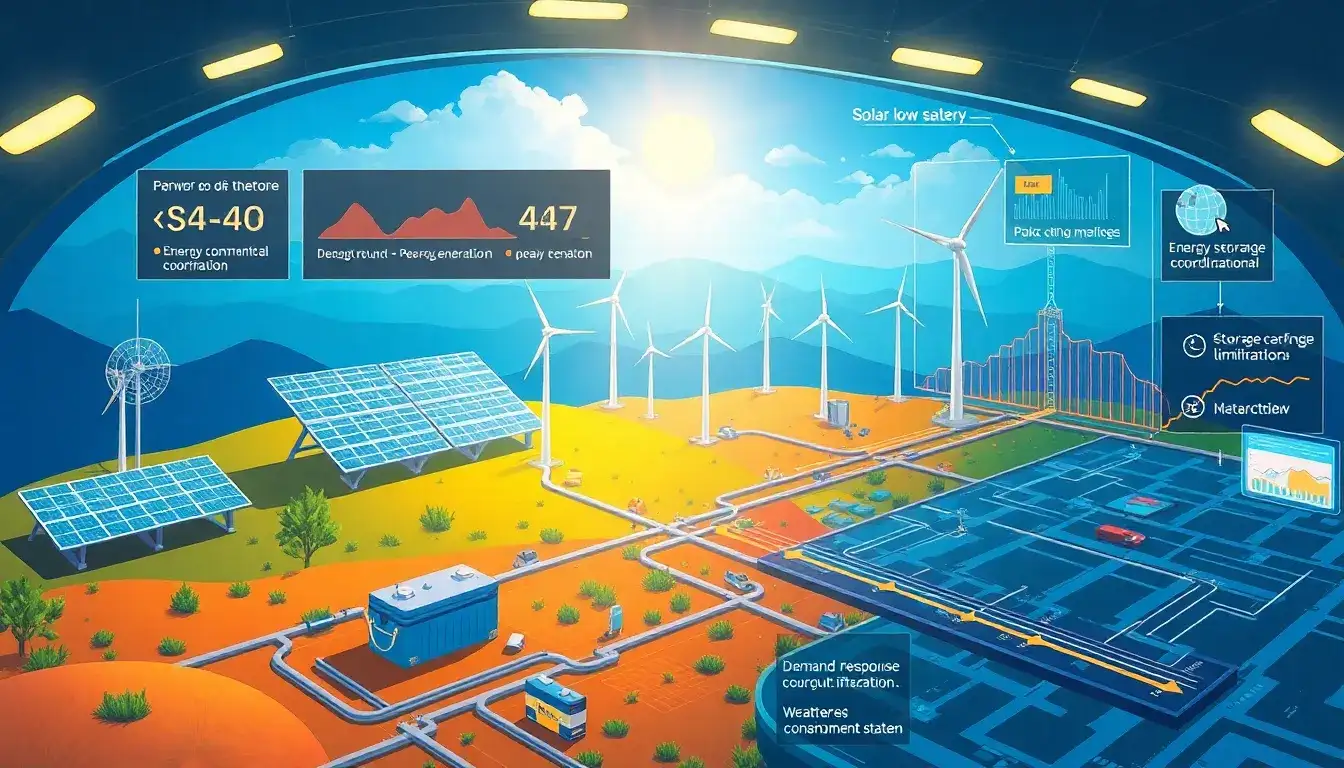
Challenges of Peak Shaving with Solar or Wind Energy
- Intermittency of Renewable Energy Sources:
- Solar and Wind Variability: Solar and wind power are intermittent sources, meaning their output varies with weather conditions. This unpredictability can complicate peak shaving efforts, as it may be difficult to ensure consistent energy availability during peak demand periods.
- Matching Generation with Load: Ensuring that renewable energy generation aligns with peak demand times is a challenge. For example, solar energy is typically abundant during the day but may not be available during evening peaks.
- Infrastructure and Cost:
- Initial Investment: Deploying energy storage systems (such as batteries) necessary for peak shaving can be expensive. The high upfront costs may deter small businesses or homeowners.
- Maintenance and Efficiency: Energy storage systems require regular maintenance to maintain efficiency, which adds to ongoing costs and operational complexity.
- Integration with Energy Storage:
- Optimal Charging and Discharging: Achieving optimal charging and discharging of energy storage systems during peak and off-peak times can be complex. This requires sophisticated management systems to ensure effective peak shaving.
- Energy Storage Capacity: The capacity of energy storage systems (e.g., batteries) can limit the extent of peak shaving. Managing these systems to maximize peak shaving while preventing excessive discharge is crucial.
- Grid Stability and Management:
- Maintaining Grid Stability: Peak shaving helps stabilize the grid by reducing peak demand, but managing renewable inputs and energy storage requires advanced grid management systems to ensure smooth operation.
- Regulatory Frameworks: Effective integration of peak shaving and renewables often requires supportive regulatory frameworks that incentivize these practices, which can vary significantly by region.
- Technology and Data Integration:
- Smart Grid Technologies: Successful peak shaving with renewables relies on smart grid technologies and real-time data exchange. Disruptions in these systems can hinder effectiveness.
- Data Management: Integrating diverse data sources (e.g., weather forecasts, energy demand patterns) to optimize peak shaving strategies can be complex and requires sophisticated data management systems.
By addressing these challenges, peak shaving can effectively complement solar and wind energy integration, enhancing grid stability and reducing energy costs.
Original article by NenPower, If reposted, please credit the source: https://nenpower.com/blog/what-challenges-might-arise-when-integrating-peak-shaving-with-solar-or-wind-energy/

