

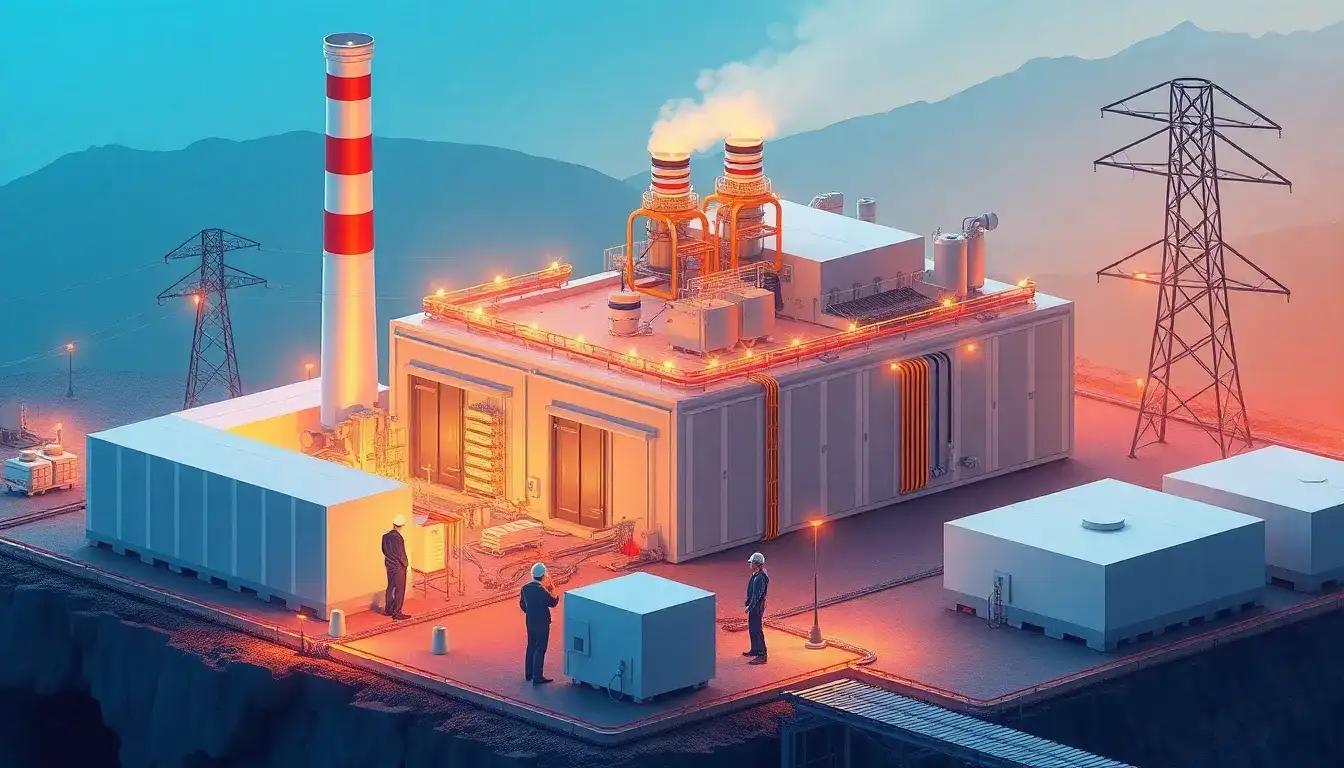
Integrating battery storage with peaking plants, particularly those that are fossil-fuel based, poses several challenges:
- Cost Comparability:
- Financial Considerations: The cost of new fossil-fueled peaker plants compared to battery energy storage systems depends on several factors, including the duration of energy supply needed. While batteries are becoming more cost-effective, they still face high upfront costs, especially when compared to the operational flexibility of legacy peaker plants.
- Economic Metrics: The value proposition for batteries can be impacted by regulatory frameworks, such as the qualifying capacity (QC) framework that may favor longer-duration storage resources over shorter ones.
- Energy Duration and Dispatch:
- Peaking vs. Baseload: Peaker plants are typically designed for short, high-intensity usage periods, providing quick energy when needed. Battery storage systems must match or exceed these capabilities, requiring advancements in technology to accommodate longer discharge times if needed.
- Operational Flexibility: Fossil-fueled peaker plants offer immediate response and flexible dispatch, which is crucial during peak demand periods. Battery systems need to achieve similar or better operational flexibility to replace peakers effectively.
- Grid Integration and Interoperability:
- Technical Compatibility: Integrating battery storage with existing grid infrastructure requires compatible systems and communication protocols. This can be a challenge due to varying standards and legacy systems.
- Regulatory Frameworks: Supportive policies and regulations are essential to facilitate the integration of battery storage into the grid, ensuring that it can operate efficiently alongside peaker plants.
- Environmental and Social Considerations:
- Environmental Impact: Peaker plants are often polluting and contribute to environmental degradation, whereas battery storage offers a cleaner alternative. This transition can be driven by environmental concerns and policy changes.
- Social Equity: The shift away from peaker plants can also address issues of environmental justice, as these plants are often located in disadvantaged communities.
Addressing these challenges will be crucial for effectively integrating battery storage systems with or as replacements for peaking plants in the energy grid.
Original article by NenPower, If reposted, please credit the source: https://nenpower.com/blog/what-challenges-exist-in-integrating-battery-storage-with-peaking-plants/

