

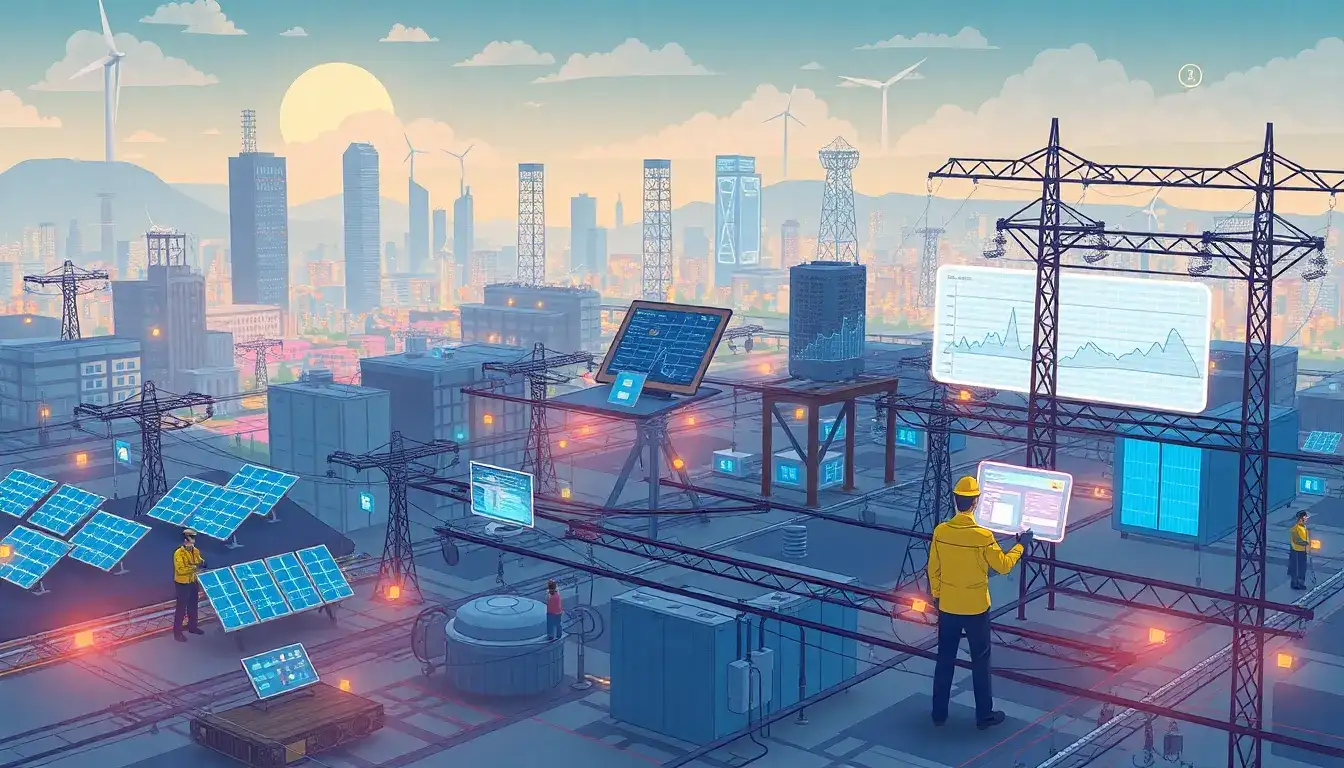
Key Challenges Utilities Encounter
1. Managing Complexity and Communication
- A core challenge is creating an integrated ecosystem where multiple DERs (such as solar panels, batteries, electric vehicles) can communicate seamlessly with the utility. This requires advanced Distributed Energy Resource Management Systems (DERMS) that coordinate and optimize these diverse resources to shift load effectively.
- Alongside interoperability, cybersecurity is crucial. Utilities must protect DER communication and control systems from cyber threats while ensuring reliable real-time management of distributed assets.
2. Regulatory and Financial Barriers
- Utilities and regulators often have divergent views on what impedes DER investment and integration. Regulators tend to see regulatory frameworks as a hurdle, whereas utility executives cite financial constraints and internal resistance, including lack of executive buy-in.
- Securing regulatory support and funding for research, pilot projects, and new infrastructure is essential but challenging. Regulators may operate on limited data regarding DERs’ long-term financial impacts and future innovations, complicating planning and approval processes.
- Utilities must also address how DER integration affects their traditional revenue models and cost recovery mechanisms, especially as DERs can reduce utility sales and shift load patterns.
3. Grid Complexity and Operational Challenges
- The rise of DERs increases grid complexity by decentralizing generation and altering load profiles. Utilities must balance supply and demand dynamically with more variable and less predictable energy input from DERs.
- Integrating DERs for load shifting demands operational agility, with utilities needing to coordinate distributed resources to reduce peak demand and enhance grid resilience without sacrificing reliability.
4. Customer Engagement and Affordability
- Utilities face hurdles in enrolling customers into DER programs and managing the interconnection process to facilitate load shifting. Customer participation is critical but can be impeded by affordability concerns and lack of clear incentives.
- Utilities must design equitable revenue-sharing and benefit-sharing frameworks so customers receive value from their DERs while utilities maintain grid stability and cost-effectiveness.
Summary Table of Challenges
| Challenge Area | Description |
|---|---|
| Communication and Control | Need for DERMS and robust cybersecurity to enable coordinated DER load shifting |
| Regulatory Alignment | Diverging perceptions between regulators and utilities on investment and policy barriers |
| Financial Constraints | Funding, revenue model adjustments, and cost recovery complexities |
| Grid Complexity | Managing increased variability and decentralization of energy supply |
| Customer Engagement | Enrollment difficulties and ensuring affordability and incentives for DER participation |
In conclusion, utilities must overcome a multi-faceted set of obstacles—technical integration, regulatory and financial frameworks, grid operational complexity, and customer-related issues—to successfully harness DERs for load shifting. Addressing these challenges requires coordinated strategies involving utilities, regulators, technology developers, and consumers to build a flexible, secure, and economically viable distributed energy ecosystem.
Original article by NenPower, If reposted, please credit the source: https://nenpower.com/blog/what-challenges-do-utilities-face-when-integrating-ders-for-load-shifting/

