

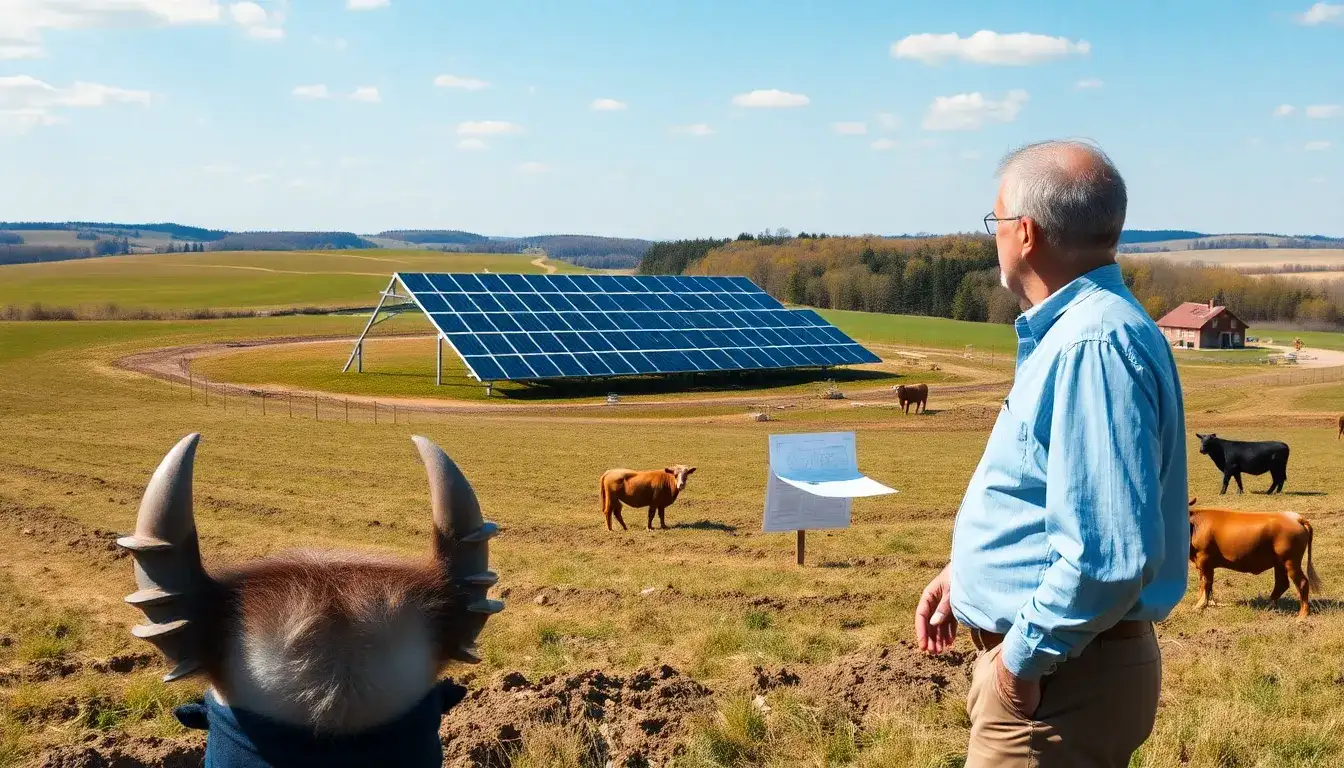
Rural landowners face several significant challenges when leasing their land for solar installations, stemming from the nature of solar leases, regulatory issues, and long-term land use implications.
Key Challenges for Rural Landowners Leasing Land for Solar Installations
-
Imbalanced Lease Negotiations
Solar developers typically have more experience in drafting and negotiating lease agreements, which often results in lease terms that favor the developer over the landowner. This imbalance can disadvantage rural landowners who may lack expertise in these complex contracts. -
Long-Term Commitment
Solar leases commonly span 20 to 30 years, requiring landowners to commit their land for a prolonged period. This long-term commitment can restrict other potential uses of the land for decades. -
Restrictions on Land Use During Lease
Leases may impose significant limitations on how the landowner can use the land during the lease. For example, farmers may face restrictions on spraying herbicides (critical for organic farms), spreading manure beneath panels, or accessing the land for typical agricultural practices. There may also be concerns about liability for dust or chemicals affecting the solar equipment. -
Partial Land Use and Easements
Solar developers often propose to use only a portion of a large parcel (e.g., 50 acres out of a 150-acre farm) for the solar array but may reserve easements over the remainder of the land. These easements restrict the landowner’s use but may not generate additional rental income, reducing the effective payment per acre. Negotiating minimum acreage utilization clauses can be essential to protect landowners’ financial interests. -
Zoning, Permitting, and Regulatory Hurdles
Rural landowners must ensure that the land complies with local zoning laws and permitting requirements. Obtaining necessary approvals can be time-consuming and complicated, potentially delaying projects or restricting their viability. Local governments may also have rules about constructing access roads or burying electrical lines, which can affect farm operations. -
Land Restoration Obligations
After the lease ends, landowners may be responsible for restoring the property to its original condition, which presents potential costs and management challenges. -
Potential Impact on Farm Operations and Environment
The installation of solar panels changes the landscape and can interfere with traditional farming activities. There are concerns about how electrical infrastructure and access roads might affect future farm development. Additionally, the visual impact of solar farms can be seen as a negative by some communities. -
Financial and Liability Risks
Landowners risk financial disruption if the developer defaults on lease payments or operational requirements. Liability issues may also arise from farm chemicals or dust affecting solar equipment, or vice versa, creating potential legal complications.
In summary, rural landowners leasing land for solar installations face complex challenges related to negotiating fair and balanced contracts, managing long-term land use restrictions, navigating regulatory and zoning requirements, addressing partial land use and easements, fulfilling land restoration duties, and mitigating financial and operational risks. These factors make careful evaluation and legal counsel essential before entering into solar leases.
Original article by NenPower, If reposted, please credit the source: https://nenpower.com/blog/what-challenges-do-rural-landowners-face-when-leasing-their-land-for-solar-installations/

