1. THE GERMAN ENERGY STORAGE LANDSCAPE AND CONSUMERS
1. A variety of brands rely on German energy storage solutions, highlighting the nation’s leadership in sustainable energy practices. 2. Companies involved range from automotive innovators to technology firms and renewable energy providers. 3. The German market has cultivated a robust ecosystem driven by increasing energy demands and the transition toward renewable sources. 4. The predominant players include companies like BMW, Siemens, and Tesla, which utilize advanced energy storage technologies to optimize performance and sustainability. 5. Consumer adoption is also a vital factor, with residential customers increasingly investing in energy storage solutions to manage their energy usage more effectively.
1. THE INFLUENCE OF RENEWABLE ENERGY IN GERMANY
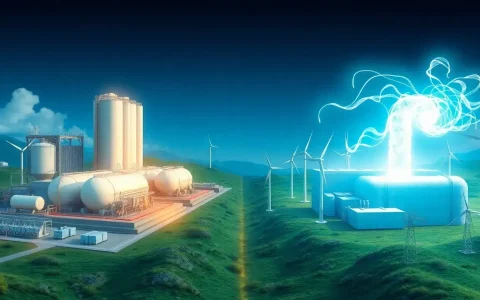
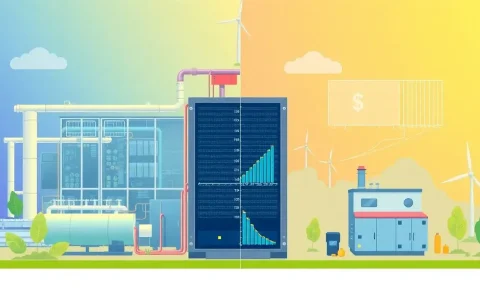
Germany stands at the forefront of the renewable energy revolution, particularly noted for its ambitious goals to transition from fossil fuels to sustainable energy sources. This transformation is driven by a combination of environmental awareness, technological advancements, and supportive governmental policies. The Energiewende, a large-scale initiative aimed at restructuring German energy systems, has fostered a conducive atmosphere for the proliferation of renewable energy technologies such as wind, solar, and hydroelectric power. The integration of energy storage systems into this matrix is essential to balance supply and demand and store excess energy produced during peak times.
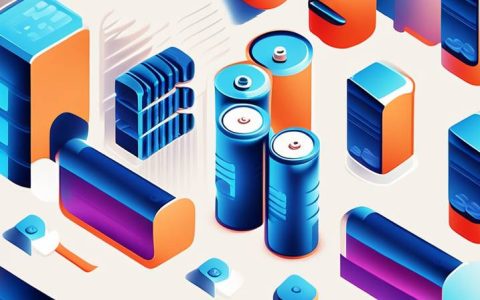
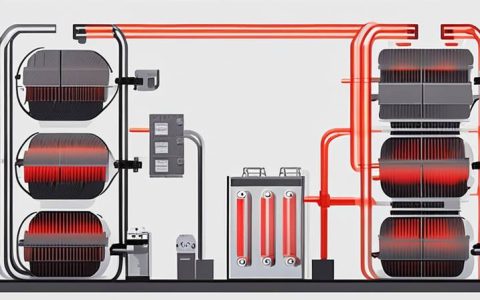
Modern energy storage solutions are crucial to mitigate the intermittency associated with renewable energy. As solar and wind are naturally variable, energy storage acts as a buffer that allows excess energy captured during periods of high production to be stored for later use. Consequently, this ensures a stable energy supply, reducing the reliance on traditional energy sources. The increasing focus on energy independence, coupled with advancements in lithium-ion battery technologies, has further stimulated the growth of energy storage systems. The advancements have made storage solutions more efficient and economically viable, rendering them an attractive option for both commercial and residential consumers.
2. KEY PLAYERS IN THE GERMAN ENERGY STORAGE SECTOR
The German energy storage sector is characterized by a diverse array of stakeholders that actively contribute to the landscape. These stakeholders include not only utility companies and energy producers but also automotive manufacturers, technology firms, and emerging start-ups specializing in energy storage technologies. Among the primary brands leveraging energy storage systems in Germany are global leaders like BMW, Siemens, and Tesla, all of which recognize the necessity of energy storage solutions in enhancing their operations and offering sustainable products.
BMW stands out as a significant player, investing substantially in battery technology to support the growing demand for electric vehicles (EVs). The company’s approach emphasizes the integration of energy storage systems both in production facilities and in EVs, maximizing energy efficiencies and minimizing carbon footprints. By enhancing the infrastructure required to support EVs, BMW not only aligns with sustainable practices but also positions itself competitively in an expanding market.
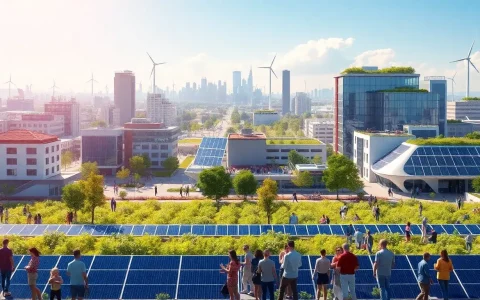
Siemens, another iconic brand, actively engages in developing cutting-edge energy management solutions, including energy storage technologies. The firm focuses on creating smart city infrastructure that utilizes intelligent energy storage solutions to optimize energy usage in urban environments. Siemens’ dedication to innovation has allowed them to lead various initiatives aimed at sustainable energy integration, demonstrating a commitment to addressing current and future energy challenges.
Tesla’s influence in the energy storage realm cannot be overlooked. The company offers a range of storage products like the Powerwall and Powerpack, designed not only for residential consumers but also for large-scale commercial operations. Tesla’s commitment to energy storage speaks volumes about the importance of integrating renewable energy with efficient storage solutions. The brand has seen significant uptake in the German market due to its reputation for quality and innovative technological prowess.
3. CONSUMER ADOPTION OF ENERGY STORAGE SOLUTIONS
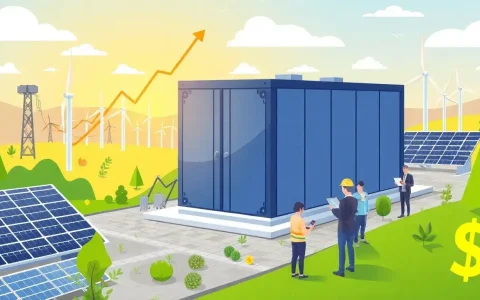
In recent years, residential consumers in Germany have increasingly embraced energy storage solutions as a viable option to optimize their energy consumption. The growing adoption can be attributed to a combination of factors, including rising electricity prices, advancements in battery technologies, and government incentives. By investing in energy storage systems, homeowners can store excess energy generated from their solar panels, reducing reliance on grid power and enhancing energy independence.
The potential savings derived from energy storage solutions incentivize further adoption. Homeowners can utilize stored energy during peak demand hours when electricity costs are highest, resulting in substantial financial savings over time. Furthermore, battery storage systems can provide backup power during outages, ensuring that essential home appliances remain functional even during disruptions. As consumers become more aware of the benefits associated with energy storage, many are willing to invest in these systems, changing the profile of electricity users in Germany.
Moreover, government policies and incentives play a crucial role in promoting energy storage adoption among residential consumers. These incentives can include subsidies for battery installations, reduced tax rates for sustainable technologies, and other financial mechanisms designed to lower the barrier for initial investments. Such supportive frameworks not only facilitate widespread adoption but also foster a culture of sustainability among consumers, encouraging them to prioritize renewable energy and energy management in their daily lives.
4. ENVIRONMENTAL IMPACT AND SUSTAINABILITY INITIATIVES
The integration of energy storage systems is inherently linked to sustainable energy practices and environmental stewardship. Storage technologies help optimize the utilization of renewable energy, reducing reliance on fossil fuels and lowering greenhouse gas emissions. By capturing and storing energy during low-demand periods, these systems enable a shift toward renewable sources, ultimately supporting Germany’s climate targets.
The environmental benefits of widespread energy storage adoption manifest in various ways, from reducing carbon footprints to promoting the use of clean energy technologies. Encouraging the implementation of energy management systems can further accelerate the transition toward sustainable energy consumption patterns at the individual, community, and corporate levels. The present emphasis on minimizing environmental impact aligns with consumer preferences for green technologies, driving innovation and investment in more sustainable solutions.
Moreover, corporations utilizing energy storage solutions play an integral role in fostering awareness and promoting sustainability practices among consumers. Their commitment to reducing emissions and improving energy efficiency resonates with eco-conscious consumers, fostering a paradigm shift toward a more sustainable energy ecosystem. With the collaboration of all stakeholders involved—including consumers, industries, and policymakers—Germany is poised to set a global benchmark for energy storage and sustainability practices, ultimately contributing to a cleaner and more resilient energy future.
FREQUENTLY ASKED QUESTIONS:
WHAT ROLE DO ENERGY STORAGE SYSTEMS PLAY IN RENEWABLE ENERGY?
Energy storage systems play a pivotal role in ensuring stability and reliability in renewable energy supply. As renewable sources like solar and wind generation tend to be inconsistent, energy storage acts as a buffer, allowing the excess energy produced during peak times to be stored for later use. The fluctuations in generation can be substantial, given that solar power availability is limited to daylight hours, while wind generations can be sporadic. By capturing this surplus energy, storage systems enable a seamless transition to using renewable energy during periods of high demand or low generation.
Moreover, energy storage enhances grid resiliency, providing utilities and grid operators with the ability to manage fluctuations and maintain a stable energy supply. Beyond mere buffering, these systems can also deliver ancillary services such as frequency regulation, peak shaving, and load balancing, which are essential for maintaining grid stability. This versatility is crucial as renewable penetration increases, facilitating a more sustainable energy future and aligning with global aims to reduce dependence on fossil fuels. As the energy landscape continues to evolve, storage technologies will prove indispensable to realizing the full potential of renewable energy.
HOW DOES GOVERNMENT POLICY INFLUENCE ENERGY STORAGE ADOPTION?
Government policy significantly influences the rate at which energy storage systems are adopted across various sectors. By implementing supportive measures, policies can facilitate broader access to storage technologies, implementation of subsidies, tax incentives, and grants that ease financial burdens. Such financial incentives often motivate consumers, businesses, and utilities to invest in advanced energy storage solutions, reflecting a strategic commitment to sustainability and clean energy initiatives.
Furthermore, policy directives can stimulate research and development, leading to innovative breakthroughs in energy storage technologies, such as improvements in battery efficiency, lifespan, and cost-effectiveness. Government regulations and standards can also guide infrastructure development toward integrating storage systems, as these enhancements augment national energy security, foster economic growth, and contribute to environmental goals. In concert, strategic government policies can catalyze the growth of sustainable energy storage adoption, propelling both corporate and grassroots investment in renewable technologies while facilitating a comprehensive shift toward environmentally responsible practices.
WHAT ARE THE BENEFITS OF ENERGY STORAGE FOR RESIDENTIAL CUSTOMERS?
Residential customers stand to gain significantly from the adoption of energy storage systems. One of the primary advantages is the capacity for cost savings. Energy storage allows homeowners to store surplus energy produced by residential solar systems, enabling them to utilize this stored energy during periods of high electricity demand when rates can be elevated. This not only results in lower energy costs but also enhances energy independence, offering consumers increased control over their energy usage without a heavy reliance on the grid.
In addition to financial benefits, energy storage provides residential households with backup power during outages, ensuring that essential services remain uninterrupted. The ability to maintain power during grid failures is invaluable, especially during severe weather conditions. Beyond practical advantages, the investment in energy storage aligns consumer values with sustainability goals, enabling households to contribute actively to reducing carbon footprints and promoting clean energy usage. Consequently, the multifaceted benefits associated with energy storage render it an essential consideration for homeowners looking to enhance their energy management capabilities while supporting environmental initiatives.
THE FUTURE OF ENERGY STORAGE IN GERMANY
As the global energy landscape continues to evolve, the future of energy storage in Germany looks promising. Innovators in the sector are dedicated to developing smarter, more efficient solutions that can cater to increasing demands while further integrating renewable energy sources. Additionally, the growing emphasis on energy independence among consumers is likely to drive continued investment across both residential and commercial domains.
With advancements in battery technology expected to further enhance performance and affordability, the momentum for energy storage adoption will likely accelerate in the coming years. As a complementary element to Germany’s ambitious climate targets, energy storage will play a crucial role in enabling the transition toward a carbon-neutral energy system. Overall, the collaborative efforts of government, industry players, and consumers in promoting energy storage solutions will shape a sustainable energy future marked by innovation, resilience, and environmental consciousness. The profound transformations brought about by energy storage technologies will undoubtedly influence the global energy narrative as more nations look to Germany as a model for effective energy management and sustainability practices.
Original article by NenPower, If reposted, please credit the source: https://nenpower.com/blog/what-brands-are-german-energy-storage-customers/