

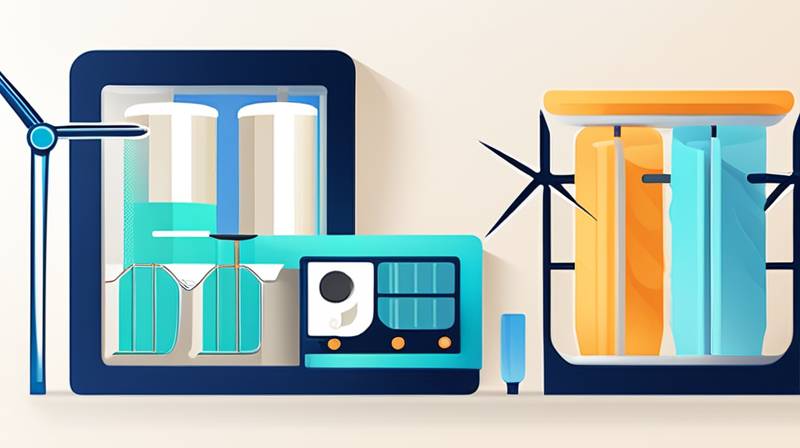
1. Wind energy storage technologies encompass various methods enabling the efficient storage of energy generated from wind sources, including 1. Battery storage systems, which store energy chemically for later use, 2. Pumped hydro storage that utilizes gravitational potential to store energy, 3. Compressed air energy storage (CAES), which compresses air to store potential energy, and 4. Thermal energy storage that captures excess heat during energy generation for later use. Among these, battery storage systems are particularly noteworthy for their rapid response times and ability to be deployed at various scales, accommodating both local and grid-level applications. Their deployment is transforming how renewable energy is integrated into existing power infrastructures, making them vital as energy demands fluctuate and sustainability goals intensify.
1. INTRODUCTION TO WIND ENERGY STORAGE
Wind energy is a pivotal aspect of the global shift toward sustainable energy sources. With increasing reliance on wind turbines for power generation, the necessity of storing excess energy produced during high-wind conditions has become apparent. This storage is crucial because wind energy is inherently variable, dependent on weather patterns and geographic conditions. Consequently, having reliable wind energy storage technologies is paramount for maintaining a consistent energy supply.
The aim of wind energy storage technologies is to ensure that the energy harnessed during favorable wind conditions can be effectively utilized when demand exceeds generation capacity. This capability not only enhances grid reliability but also optimizes the integration of wind energy into existing infrastructures. Understanding various storage approaches is essential for stakeholders aiming to maximize the benefits of renewable energy sources.
2. BATTERY STORAGE TECHNOLOGIES
Battery storage systems represent one of the most widely recognized solutions for wind energy storage. By converting electrical energy into chemical energy, batteries provide an efficient way to store and dispatch energy when required. The rapid advancement in battery technologies has made them a viable option for various applications, from household energy systems to large-scale grid storage solutions.
Lithium-ion batteries, in particular, have garnered significant attention within the renewable energy sector due to their energy density, efficiency, and decreasing costs. These batteries are advantageous for applications requiring quick energy delivery and response to sudden fluctuations in energy demand. Additionally, ongoing research is focusing on enhancing battery life and sustainability, reducing reliance on lithium and other rare materials through emerging technologies such as solid-state batteries.
Furthermore, the incorporation of batteries in wind energy systems allows for innovative configurations, such as hybrid systems, which may combine wind turbines with energy storage to form a more robust power generation strategy. This method not only enhances energy reliability but also optimizes the overall economic viability of wind energy projects.
3. PUMPED HYDRO STORAGE
Pumped hydro storage (PHS) remains one of the most established methods of energy storage, benefitting from its ability to store large amounts of energy over extended periods. This technology employs two water reservoirs situated at differing elevations. During periods of energy surplus, excess electricity is used to pump water from the lower reservoir to the upper one. Conversely, during times of high electricity demand, water is released back down through turbines to generate electricity.
The significance of pumped hydro storage is primarily rooted in its scalability and capacity to provide balancing services to the electric grid. As wind power output can vary dramatically, PHS can serve effectively to smooth out these fluctuations, providing energy when demand surges. This functionality is what sets pumped hydro apart from other technologies, making it a go-to solution for grid operators.
However, certain limitations are inherent in pumped hydro systems. The geographic requirements necessitate suitable topography, and the environmental impacts of constructing such facilities can be substantial. Thus, while they play a crucial role in large-scale energy management, careful consideration of local ecosystems and community factors is critical.
4. COMPRESSED AIR ENERGY STORAGE (CAES)
Compressed air energy storage (CAES) is an innovative method of storing wind energy that involves compressing air in underground caverns or tanks using excess wind energy. When electricity is needed, the stored compressed air is heated and expanded through turbines to produce electricity. This process is similar to pumped hydro storage, but instead of using water, it utilizes air as the energy storage medium.
The primary advantage of CAES lies in its ability to store vast amounts of energy without the significant geographic constraints faced by traditional hydro storage. Many areas lack suitable water reservoirs but may have caverns or abandoned mines suitable for storing compressed air. Moreover, advancements in materials and compressor designs are bolstering the efficiency and economic feasibility of CAES systems.
However, challenges related to the thermal efficiency of the process and the potential environmental impacts of caverns must be addressed to make CAES a mainstream solution. Ongoing research aims to optimize the thermal management aspects of CAES to further enhance its viability alongside other wind energy storage technologies.
5. THERMAL ENERGY STORAGE
Thermal energy storage (TES) focuses on capturing excess heat produced during energy generation, which can then be stored and used later. This method is particularly relevant in wind energy production contexts where surplus electricity can be converted to heat using resistive heating elements or thermal energy storage materials. This heat can then be stored in various forms, such as molten salts or phase change materials, and utilized when necessary.
The critical advantage of thermal energy storage systems is their ability to provide longer-duration energy storage compared to chemical batteries. As energy demands fluctuate throughout the day, TES systems can help to balance out the varying supply of wind energy. This integrated approach enhances the overall efficiency of energy systems and allows for optimized electricity generation.
Nonetheless, the technology’s effectiveness is highly dependent on the efficiencies of heat capture and storage mechanisms. Therefore, continuous innovation is essential to refine materials and designs for improved performance. As this field evolves, the potential of thermal energy storage will be crucial in diversifying the portfolio of wind energy storage methods.
6. INTEGRATING WIND ENERGY STORAGE WITH SMART GRIDS
The integration of wind energy storage technologies into smart grid frameworks is vital for maximizing their potential. Smart grids are characterized by their ability to communicate and manage energy flows dynamically, utilizing advanced technologies and real-time data analytics. This integration facilitates more efficient electricity delivery management and overall optimization of energy resources.
One of the significant challenges lies in creating systems that can quickly respond to fluctuating energy demands and supply patterns. By coupling wind energy storage solutions with smart grid technologies, utilities can effectively balance supply and demand, leading to enhanced reliability and stability within energy distribution networks. Furthermore, localized energy storage systems allow for decentralized energy management, reducing reliance on centralized power plants and fostering renewable energy adoption.
For stakeholders, this integrated approach also presents opportunities for innovative business models and financial mechanisms. Battery-as-a-service and demand response programs can enhance financial returns from renewable energy investments, allowing for more flexible and dynamic energy management in homes and businesses.
7. POLICIES AND INCENTIVES FOR WIND ENERGY STORAGE
Government policies and incentives play a crucial role in facilitating the adoption of wind energy storage technologies. Supportive legislation can significantly reduce the financial barriers faced by businesses and individuals seeking to invest in these technologies. Various countries and states have implemented tax credits, grants, and rebates to encourage the installation of renewable energy systems and, notably, associated storage solutions.
Understanding regional policies that support renewable energy storage can help businesses strategically position themselves in economically favorable locations. The effectiveness of these incentives is evidenced in regions with robust growth in renewable installations and energy storage adoption. Healthier financial incentives equate to more investment in advanced technologies, stimulating innovation and driving down costs.
Additionally, stakeholder engagement in shaping policies around renewable energy storage can enhance support for research and development initiatives. By collaborating with policymakers, the private sector can align technologies with national goals, ensuring that storage solutions are not only efficient but also accessible to all sectors of society.
8. FUTURE OUTLOOK FOR WIND ENERGY STORAGE TECHNOLOGIES
The future of wind energy storage technologies appears promising, driven by the dual imperatives of climate change mitigation and energy security. As technological advancements continue, energy storage systems will likely become more efficient, cost-effective, and widespread. The growing demand for sustainable energy sources indicates an evolving marketplace where energy storage plays a crucial role in energy management.
Emerging technologies will also contribute to this dynamic landscape. Innovations in solid-state batteries, advanced thermal storage materials, and decentralized energy systems are anticipated to reshape how renewable energy storage is approached. Additionally, the increasing emphasis on sustainability will drive further research into eco-friendly materials and solutions that reduce carbon footprints and enhance energy efficiency.
Furthermore, as utility-scale energy storage solutions become more prevalent, collaborative approaches between private companies and governmental bodies will be essential for scaling these technologies. This collaboration is crucial, as it enables the exploration of novel applications and synergies among various energy storage systems.
FREQUENTLY ASKED QUESTIONS
WHAT IS THE ROLE OF BATTERY STORAGE IN WIND ENERGY SYSTEMS?
Battery storage plays a vital role in wind energy systems by providing a mechanism to store excess energy produced during high-wind periods. These systems allow for immediate responses to fluctuating energy demands, serving as a buffer that addresses the inherent variability of wind energy generation. Moreover, with the advancement of battery technologies, systems such as lithium-ion batteries are becoming more affordable and efficient, facilitating their deployment in various settings, from residential to grid-level applications.
The integration of battery storage within wind energy systems enhances grid stability, enabling utilities to manage energy flows more effectively. By storing surplus energy when production exceeds demand and discharging it when demand rises, battery systems contribute to a more balanced energy ecosystem. Furthermore, their versatility supports various applications, ranging from providing ancillary services to enabling greater incorporation of renewable resources. As a result, battery storage is essential for the successful implementation and growth of wind energy projects globally.
HOW DO PUMPED HYDRO STORAGE SYSTEMS WORK?
Pumped hydro storage systems operate by utilizing two reservoirs situated at different elevations. During periods of excess electricity generation, primarily during peak wind periods, surplus power is employed to pump water from the lower reservoir to the upper one. This process converts electrical energy into gravitational potential energy, storing it for future use. When electricity demand exceeds the available generation, water is released from the upper reservoir back down to the lower one, passing through turbines to generate electricity.
This technology stands out due to its ability to provide large-scale energy storage solutions with minimal energy loss. While pumped hydro storage systems have certain limitations, such as geographic constraints and potential environmental impacts, they remain one of the most viable technologies for energy storage on a wide scale. Their ability to operate over long durations makes them particularly relevant in scenarios where seasonal storage capacity is required.
WHAT ARE THE FUTURE PROSPECTS FOR WIND ENERGY STORAGE TECHNOLOGIES?
The future prospects for wind energy storage technologies are exceptionally promising, driven by the increasing global emphasis on renewable energy transitions and grid reliability. Ongoing advancements in energy storage technologies, such as batteries, compressed air systems, and thermal storage solutions, are expected to enhance performance and reduce costs. These improvements will facilitate wider adoption and integration into energy networks across the globe.
Moreover, regulatory frameworks and market incentives will play a vital role in accelerating the deployment of wind energy storage solutions. As environmental concerns rise and energy security becomes paramount, wind energy, coupled with efficient storage technologies, offers a pathway towards achieving sustainable energy goals. Furthermore, collaborative efforts between public and private sectors will likely foster innovation and the development of integrated energy systems that leverage the strengths of multiple storage technologies.
In summary, wind energy storage technologies are at the forefront of the transition towards renewable energy. Their development is critical for ensuring energy reliability, flexibility, and sustainability. The pursuit of advanced storage solutions is fundamental in overcoming the challenges associated with the variability inherent in wind energy generation. As the energy landscape evolves, the integration of these technologies will be essential for driving progress towards a cleaner, more sustainable future.
Original article by NenPower, If reposted, please credit the source: https://nenpower.com/blog/what-are-the-wind-energy-storage-technologies/

