

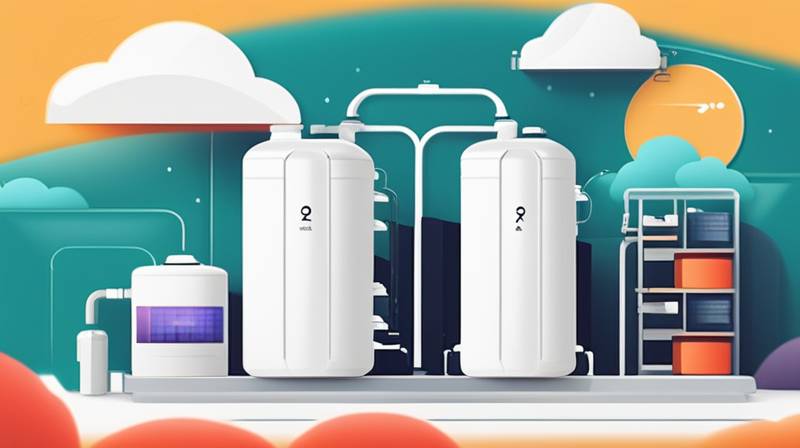
1. White water energy storage projects are innovative facilities that utilize the potential energy of water to generate electricity, focusing on their capacity for sustainability and grid support, 2. Such projects often harness the gravitational force of water by employing elevated reservoirs and turbines, 3. They have emerged as critical solutions to address renewable energy intermittency, especially from sources like wind and solar, 4. By storing energy in the form of water at height and releasing it during peak demand, these projects produce clean energy and help stabilize electrical grids.
White Water Energy Storage Projects
1. INTRODUCTION TO WHITE WATER ENERGY STORAGE
White water energy storage leverages the fundamental physics of water to create an efficient mechanism for electricity generation. This approach is rooted in the principles of hydropower, where gravitational potential energy is converted into kinetic energy. During periods of low electricity demand, excess energy is utilized to pump water to an elevated reservoir. When demand surges, this stored water is released through turbines, generating power quickly and reliably.
The technology significantly enhances the integration of renewable resources into the energy mix. As the transition towards low-carbon electricity sources accelerates, energy storage solutions like this become increasingly crucial. They provide a versatile approach to balancing supply and demand while maximizing the use of renewable energy.
2. TECHNICAL PRINCIPLES OF OPERATION
2.1. MECHANICS OF ENERGY STORAGE
The operation of a white water energy storage system hinges on the mechanics of potential energy conversion. Essentially, the system employs pumps to elevate water from a lower reservoir to a higher elevation. When excess electricity is available, usually during low-demand periods, this electricity powers the pumps, moving water into the higher reservoir. The energy consumption during this pumping process is relatively low compared to the energy generated when the water is released.
Upon demand spikes, the stored water descends back to the lower reservoir, passing through turbines that convert its kinetic energy into electricity. This consistent cycling between storage and generation enables rapid responsiveness to fluctuations in energy demand.
2.2. SYSTEM COMPONENTS
A white water energy storage system comprises several core components that work harmoniously to achieve energy efficiency. These components include: pumping stations, turbines, reservoirs, and control systems. The pumping stations are crucial for moving water to elevation, while turbines are instrumental in converting water flow into electrical energy.
Furthermore, robust control systems are necessary for monitoring energy levels and managing the timing of pumping and generation. These advanced systems ensure that the energy storage and retrieval processes are optimized, thus increasing the overall efficiency of the energy storage project.
3. ENVIRONMENTAL IMPACT AND SUSTAINABILITY
3.1. MINIMIZING ECOLOGICAL FOOTPRINT
One of the most significant advantages of white water energy storage projects is their relatively low environmental impact compared to conventional fossil fuel-based energy generation. While the construction of reservoirs can alter landscapes, these projects often use existing hydrological systems, minimizing their ecological footprint.
In addition, the reliance on renewable energy to power pumping activities reduces greenhouse gas emissions associated with traditional energy sources. Over time, these energy storage systems can substantially lower carbon footprints, aligning with global sustainability goals.
3.2. BIODIVERSITY AND LAND USE CONSIDERATIONS
Implementing white water energy systems does involve considerations regarding biodiversity and land use. It’s crucial to conduct comprehensive environmental impact assessments before project initiation, specifically focusing on local ecosystems. These evaluations help identify potential disruptions to local wildlife and water systems, allowing for mitigation strategies to be developed.
Furthermore, sustainable land use practices can promote biodiversity conservation in and around project sites. Incorporating natural habitats and wildlife corridors helps safeguard local ecosystems while facilitating energy generation. When planned appropriately, these projects can coexist with thriving natural environments.
4. ECONOMIC VIABILITY
4.1. COST-BENEFIT ANALYSIS
Examining the economic dimensions of white water energy storage reveals a favorable cost-benefit ratio, especially in regions with high renewable energy penetration. Despite the initial investment required for construction, the long-term operational savings are substantial. This stems from reduced dependence on fossil fuels and minimized energy costs during peak production times when stored energy is released.
As technology continues to evolve, the costs associated with construction and maintenance are expected to decline further, enhancing profitability. Moreover, factors such as government incentives and subsidies for renewable energy projects can significantly impact the economic feasibility of such initiatives.
4.2. JOB CREATION AND LOCAL IMPACT
Beyond immediate financial metrics, white water energy storage projects also create numerous job opportunities. From construction to maintenance and operational roles, these projects generate significant employment for local communities. This direct job creation can spur economic development in these regions.
Additionally, the presence of sustainable energy infrastructure can attract further investments, contributing to local economic growth. Communities often benefit from enhanced energy security and reliability, further bolstering their economic resilience.
5. CHALLENGES AND SOLUTIONS
5.1. TECHNICAL CHALLENGES
Implementing white water energy storage projects does come with its set of challenges, particularly regarding technical execution. One primary concern is ensuring the structural integrity of reservoirs and turbines under varying pressure conditions. Engineers must expertly design these systems to withstand both operational stress and environmental factors such as earthquakes or flooding.
Another technical challenge is achieving a seamless balance between energy input and output. Pumps and turbines need to be designed and optimized to match energy demand accurately; this requires sophisticated algorithms and control systems. When managed effectively, these technical hurdles can be overcome to ensure reliable operations.
5.2. REGULATORY BARRIERS
In many regions, regulatory frameworks governing energy projects can complicate the deployment of white water energy systems. Obtaining the necessary permits and approvals can be a lengthy process due to various environmental and safety compliance standards. Navigating these regulations requires expertise and careful planning.
Advocates for white water energy storage must engage with policymakers to streamline the approval processes and enhance understanding of the benefits these projects offer. Establishing standards and guidelines that promote sustainable practices will further encourage project development.
6. GLOBAL APPLICATIONS AND CASE STUDIES
6.1. SUCCESSFUL IMPLEMENTATIONS
Globally, numerous regions have successfully implemented white water energy storage projects, showcasing their versatility and efficiency. In Europe, projects such as the Golden Ears Bridge system in Canada illustrate the practical applicability of this technology in urban settings. Similarly, in the U.S., the Bath County Pumped Storage Station in Virginia is one of the largest and most renowned facilities, providing significant grid stability.
Case studies reveal that these projects can be adapted to various geographical and climatic conditions, expanding their potential global footprint. Each unique implementation highlights innovative solutions to regional energy challenges, emphasizing the adaptability of white water energy storage.
6.2. FUTURE PROSPECTS
The future of white water energy storage is promising, especially as the demand for green energy solutions grows. With advancements in technological innovation and increased investment in renewable energy, new storage projects are on the horizon. Furthermore, as countries strive to meet stringent environmental targets, the demand for efficient energy storage solutions will continue to rise.
Emerging markets present an untapped potential for white water energy systems. By fostering international collaboration and knowledge sharing, these projects can be implemented in diverse areas, enhancing global energy security and sustainability.
FREQUENTLY ASKED QUESTIONS
WHAT IS THE MAIN ADVANTAGE OF WHITE WATER ENERGY STORAGE?
The primary benefit of white water energy storage lies in its ability to store large amounts of energy for later use. This system helps counteract the intermittent nature of renewable energy sources, such as wind and solar. When energy production exceeds demand, excess energy is utilized to pump water to a higher elevation, storing it for future generation. This process enables energy generated during off-peak hours to be accessed during high demand periods, maximizing renewable resource utilization.
Moreover, the integration of these projects into the grid enhances energy reliability and stability, addressing fluctuations in supply.** The fast response time to changes in demand further solidifies their importance in modern energy infrastructure.** Given its capacity to provide clean and efficient energy, white water energy storage is increasingly recognized as a vital solution to current and future energy paradigms.
HOW DO WHITE WATER ENERGY STORAGE PROJECTS IMPACT ENVIRONMENTS?
The environmental ramifications of white water energy storage projects are generally positive compared to conventional fossil fuel systems. While there are initial impacts associated with the construction of reservoirs, these projects can significantly reduce carbon emissions as they primarily harness renewable energy.
The careful planning involved in their design aims to minimize disruptions to local ecosystems and water systems, often utilizing existing resources rather than creating new ones. Ongoing monitoring and management can mitigate ecological effects, ensuring that energy storage projects coexist with natural habitats. Moreover, the promotion of sustainable practices in planning and execution can drive biodiversity conservation efforts, presenting an opportunity for synergistic environmental benefits.
ARE WHITE WATER ENERGY STORAGE PROJECTS EXPENSIVE TO BUILD AND MAINTAIN?
Building and maintaining white water energy storage projects involves considerable upfront investment; however, analyzing the long-term financial outlook presents a more favorable scenario. The efficiencies gained through energy storage translate to savings on electricity costs, particularly as these systems can alleviate peak demand pressures, resulting in lower energy prices.
Technological advancements continue to drive down expenses associated with construction and operation, increasing attractiveness to investors. Moreover, financial models incorporating government incentives and subsidies can enhance the viability of such projects. As the energy landscape evolves toward sustainability, white water energy storage offers a financially sound investment in a greener future.
In summary, white water energy storage projects stand as transformative solutions within the global energy framework, addressing critical challenges pertaining to intermittency and grid stability. They leverage gravitational energy, showcasing efficiency in energy storage while reducing the ecological footprint typically associated with energy solutions. Moreover, as these initiatives continue to evolve, they promise to unlock new frontiers in sustainable energy generation. However, ongoing investments in technology and infrastructure remain imperative to maximize their potential contribution towards a low-carbon future. The integration of such innovative solutions not only fosters economic prosperity in local communities through job creation but also fortifies environmental resilience by enabling a seamless transition to renewable resources. Furthermore, the collaborative approach among various stakeholders can facilitate broader acceptance and implementation of these projects in diverse regions, ensuring a collective leap towards sustainable energy practices that benefit current and future generations. The burgeoning field of white water energy storage exemplifies a paradigm shift in our approach to energy management, embodying a fundamental move towards harnessing nature’s resources responsibly and effectively.
Original article by NenPower, If reposted, please credit the source: https://nenpower.com/blog/what-are-the-white-water-energy-storage-projects/

