

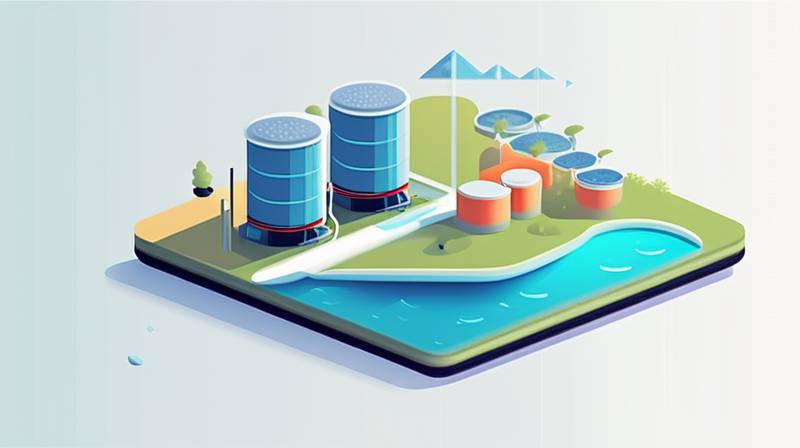
Water conservancy energy storage facilities are essential infrastructures designed to harness and store the energy generated from water movements, particularly through the utilization of reservoirs, dams, and related technologies. 1. They play a crucial role in managing and controlling water supplies, 2. These facilities provide a means to store renewable energy generated from hydroelectric power, 3. They help in flood control and mitigation, 4. Their ability to balance supply and demand during peak energy consumption times enhances grid stability.
A noteworthy aspect of these energy storage systems is their dual purpose. Not only do they serve as reservoirs for water conservation, but they also create opportunities for recreational activities, fishery management, and improved water quality.
1. INTRODUCTION TO WATER CONSERVANCY ENERGY STORAGE FACILITIES
Water conservancy energy storage facilities epitomize a complex yet crucial integration of environmental engineering and renewable energy solutions. At their core, these structures harness flowing water’s kinetic energy, converting it into gravitational potential energy through reservoirs, which can later be converted back into electricity when required. The sustainability aspect of these facilities is paramount, especially in the face of escalating global energy demands and climate change repercussions.
The design and implementation of such facilities often involve multifaceted planning processes, ensuring a balance between ecological preservation and energy generation. Engineers and environmental scientists collaborate to optimize the function and design of dams and water reservoirs, impacting both the surrounding ecosystems and energy landscapes.
2. THE FUNCTIONAL DYNAMICS OF ENERGY STORAGE SYSTEMS
A vital aspect of water conservancy energy storage systems is their operational mechanics, which revolve around the principles of hydrodynamics and energy conversion. When water is allowed to flow through turbines within a dam, it produces kinetic energy that can be translated into electrical energy through generators. Operating under a mode often described as “pumped storage,” these facilities can also store energy by pumping water to elevated reservoirs during low-demand periods and releasing it to generate power when demand surges.
Not only does this adaptability enhance energy reliability, but it also serves as a buffer against the intermittent nature of other renewable energy sources, such as wind and solar. By augmenting the grid’s stability and adaptability, water conservancy energy storage facilities play an indispensable role in modern energy systems.
3. ENVIRONMENTAL IMPACT AND SUSTAINABILITY CONSIDERATIONS
While water conservancy energy storage facilities are designed to be efficient and reliable forms of renewable energy, environmental impacts are significant considerations in their planning and operation. The construction of large-scale dams may disrupt local ecosystems, influencing wildlife habitats and water quality. Mitigating these impacts involves employing environmentally sensitive construction techniques and integrating ecological assessments throughout the project lifecycle.
Additionally, the management of water usage and sediment flow is critical in minimizing ecological disruption. Adopting sustainable practices in maintaining the water body’s health helps prevent degradation, hence preserving local wildlife and plant species. Moreover, effective sediment management strategies not only enhance water quality but also optimize the energy storage facility’s operational efficiency.
4. WATER CONSERVATION AND MANAGEMENT
Water conservancy energy storage facilities inherently contribute to water management strategies within regions prone to drought or flooding. By storing surplus water during periods of heavy precipitation, these facilities can alleviate downstream flood risks. Conversely, during dry spells, water can be released gradually to maintain sufficient levels for agricultural, domestic, and industrial needs.
The role of these facilities fosters a symbiosis between water conservation and energy storage, effectively illustrating how strategic infrastructure can serve multiple purposes. Through careful monitoring and adaptive management practices, water conservancy facilities help establish resilience against climate variability and changing weather patterns.
5. TECHNOLOGICAL INNOVATIONS AND FUTURE TRENDS
Technological advancements continually shape water conservancy energy storage practices, driving the evolution of more sophisticated systems. Innovations such as real-time monitoring sensors, advanced computational modeling, and automated control systems have significantly improved operational efficiencies. The integration of smart technologies continues to optimize energy management, enabling operators to respond swiftly to fluctuations in energy demand or water availability.
The future of water conservancy energy storage will see greater emphasis on sustainability and ecological integrity. Emerging materials with lower environmental footprints, along with modular and decentralized designs, are likely to gain traction in the coming years. As societies increasingly prioritize resilience to climate change, facilities might also evolve to incorporate aquifer recharge capabilities, enhancing both energy storage and groundwater replenishment.
FAQs
WHAT TYPES OF ENERGY STORAGE SYSTEMS EXIST?
In the realm of energy storage, various methodologies are employed, each with its unique advantages and challenges. One predominant type is pumped hydro storage, which utilizes gravitational energy by moving water between two reservoirs situated at differing elevations. When energy demands peak, water is released to pass through turbines, generating electricity. Another notable system is compressed air energy storage (CAES), where excess energy is utilized to compress air in underground caverns or tanks. This pressurized air can subsequently be released through turbines, converting potential energy back into electrical power when needed.
WHY ARE WATER CONSERVANCY ENERGY STORAGE FACILITIES IMPORTANT?
These facilities are vital components of modern energy landscapes, primarily because they provide a reliable and efficient method of energy generation from renewable sources. By acting as a balancing mechanism for intermittent energies, they ensure grid stability and mitigate the impacts of energy shortages during peak demand periods. Additionally, they play a crucial role in water management, aiding in flood control and drought alleviation. Their inherent duality as recreational spaces further enhances their societal value, enabling communities to engage with local waterways while benefiting from energy generation.
WHAT CHALLENGES DO WATER CONSERVANCY ENERGY STORAGE FACILITIES FACE?
Several challenges beset the development and operation of water conservancy energy storage facilities. Environmental considerations remain paramount, as projects must navigate complex regulatory landscapes to ensure ecological preservation is prioritized. Furthermore, technical challenges associated with aging infrastructure require consistent monitoring and innovation to maintain efficiency. Water scarcity exacerbated by climate change influences reservoir capacities, necessitating adaptable management strategies. Balancing energy needs with environmental stewardship is an ongoing dialogue that shapes the future of these critical infrastructures.
As we explore the impact and significance of water conservancy energy storage facilities, it becomes evident that they represent a vital intersection of energy management, ecological balance, and community resilience. Their complex multifaceted nature allows them to address contemporary energy demands while prioritizing environmental sustainability. The innovative approaches and technologies adopted in their operational processes enhance not only the efficiency and reliability of energy systems but also highlight the integral role they play in water conservation and management. By enabling peak demand mitigation and flood protection, these facilities epitomize the necessity of adopting a holistic view toward energy infrastructure in an era marked by climate change and increased energy consumption.
In the future, collaboration among engineers, environmentalists, local communities, and policymakers will be critical in ensuring that the development of water conservancy energy storage facilities aligns with the principles of sustainability and ecological integrity, paving the way for even greater innovations in renewable energy solutions. The potential for growth in this arena is vast, opening up avenues for enhanced energy security, climate resilience, and biodiversity preservation, essential for thriving communities and ecosystems alike. Ultimately, the strategic enhancement of these infrastructures will be instrumental in transitioning society towards a more sustainable and energy-secure future.
Original article by NenPower, If reposted, please credit the source: https://nenpower.com/blog/what-are-the-water-conservancy-energy-storage-facilities/

