

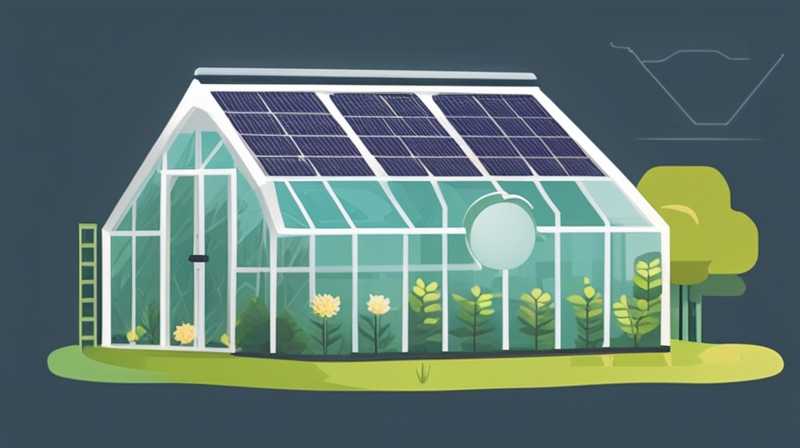
1. Key uses of solar greenhouses include: increased crop production, extended growing seasons, energy efficiency, and environmental sustainability.
2. Solar greenhouses harness sunlight to maintain optimal temperatures, thereby enabling year-round cultivation, which is particularly beneficial in regions with harsh climates. This innovative approach not only allows for the diverse cultivation of crops but also minimizes dependency on artificial heating, leading to reduced energy costs and a lower carbon footprint.
3. These structures can be designed to incorporate rainwater harvesting systems, contributing to sustainable agricultural practices, and playing a significant role in food security. As global food demand rises, solar greenhouses represent a viable solution for efficient and sustainable food production.
1. INTRODUCTION TO SOLAR GREENHOUSES
The advent of climate-conscious agricultural techniques has led to the emergence of solar greenhouses as a transformative solution in the field of horticulture. These structures utilize renewable energy from the sun to create a conducive environment for plant growth, fundamentally altering traditional farming methods.
Solar greenhouses differ from conventional greenhouses in that they are engineered to capture and retain solar energy more efficiently. By incorporating specific materials and designs, these structures maintain a stable internal climate, which is essential for plant health. This compartmentalization of natural processes is vital, especially in areas where extreme weather conditions prevail.
2. INCREASED CROP PRODUCTION
One of the most significant advantages of solar greenhouses is their ability to boost crop yields. Optimal temperature regulation within these structures promotes healthier plant growth, resulting in a more abundant harvest. By extending the growing season, farmers can plant multiple crops throughout the year, thus increasing productivity significantly.
The versatility of crops that can be cultivated in solar greenhouses is noteworthy. From vegetables to fruits and even flowers, growers are afforded the opportunity to explore various agricultural avenues. This not only diversifies production but also meets the changing demands of consumers who are looking for fresh produce year-round.
3. EXTENDED GROWING SEASONS
In regions characterized by short growing seasons, solar greenhouses serve as a game-changer. By utilizing passive solar designs and thermal mass materials, these structures can absorb and store heat during the day and release it at night. This function eliminates the risk of frost damage and allows for the cultivation of temperature-sensitive plants.
Moreover, this capability to create a controlled environment enables farmers to introduce crops that typically would not thrive in their region due to unfavorable climatic conditions. The ability to manipulate environmental factors provides an amazing opportunity to innovate within agricultural practices—all while maintaining a high quality of output.
4. ENERGY EFFICIENCY
Solar greenhouses are not only about growing crops; they are also a testament to energy efficiency. By addressing the environmental impact of traditional farming, these structures minimize the need for fossil fuels. The utilization of solar energy leads to considerable reductions in operational costs, making solar greenhouses an economically sound choice for farmers looking to optimize their operations.
In addition to reducing energy consumption, these greenhouses contribute to a sustainable agricultural practice by encouraging resource conservation. Farmers can implement various techniques, such as rainwater collection and composting, within the solar greenhouse, further decreasing reliance on external inputs and enhancing self-sufficiency.
5. ENVIRONMENTAL SUSTAINABILITY
The impact of solar greenhouses extends beyond economic benefits; they play a crucial role in promoting environmental sustainability. By reducing agricultural carbon footprints, these structures contribute significantly to mitigating climate change. The shift toward solar energy signifies a larger trend of moving away from traditional, polluting techniques of production.
Furthermore, solar greenhouses can provide habitats for beneficial organisms, thereby fostering biodiversity. The careful design and construction of these structures allow farmers to cultivate crop varieties that not only yield food but also contribute positively to the local ecosystem. This balance between agriculture and nature is essential for long-term sustainability.
6. ECONOMIC BENEFITS FOR FARMERS
The economic advantages of solar greenhouses are manifold. Initially, the setup cost may be higher compared to conventional greenhouses; however, the long-term savings on energy usage and operational costs often outweigh these initial expenses. With increased crop yields and reduced reliance on external resources, farmers can dramatically improve their profit margins.
Additionally, the market for organically grown produce has surged in recent years. Solar greenhouses allow farmers to produce organic fruits and vegetables with fewer chemical interventions, resulting in products that cater to this growing consumer segment. This shift not only proves beneficial financially for farmers but also aligns with global trends towards healthier and more sustainable eating practices.
7. COMMUNITY IMPACT AND FOOD SECURITY
The implications of solar greenhouses extend into the realm of food security, particularly in developing regions where agricultural production is challenged by climatic extremes. By employing solar greenhouses, communities can elevate their self-sufficiency, enhancing their ability to produce food locally and reduce dependency on imported goods.
This localized approach to food production is paramount in increasing resilience against global supply chain disruptions. Furthermore, the introduction of solar greenhouse technology in rural areas can catalyze economic development. This involves creating jobs, fostering innovation in farming techniques, and building local expertise in sustainable agriculture.
8. INNOVATIONS IN SOLAR GREENHOUSE TECHNOLOGY
Advancements in technology continue to shape the efficiency of solar greenhouses. Innovations such as automated climate control systems can optimize conditions inside these structures, adjusting temperature, humidity, and lighting based on real-time data. These technologies not only enhance plant growth but also improve the overall management of greenhouse operations.
Moreover, research into materials that maximize sunlight capture while providing insulation is ongoing. Features such as integrated photovoltaic panels can allow solar greenhouses to produce energy while also supporting plant growth. These cutting-edge developments signify a future where solar greenhouses become even more integrated into modern agricultural practices.
9. CHALLENGES AND LIMITATIONS
Despite their numerous advantages, solar greenhouses are not without challenges. Investment costs for construction and technology can be prohibitive, particularly for small-scale farmers who may lack access to capital. Additionally, there may be a steep learning curve when it comes to managing these integrated systems efficiently.
Climate factors, such as excessive cloud cover or high humidity, can also inhibit the effectiveness of solar greenhouses, requiring farmers to adapt their techniques continuously. It is vital for stakeholders to support education and provide resources to help minimize these obstacles, ensuring that solar greenhouses can reach their full potential in various agricultural contexts.
10. THE FUTURE OF SOLAR GREENHOUSES
As the world moves toward sustainable agricultural practices, solar greenhouses represent a crucial step forward. With a growing awareness of climate change and food insecurity, the demand for innovative solutions is at an all-time high. The development and widespread adoption of solar greenhouses could potentially lead to a significant reduction in the carbon footprint associated with traditional farming methods.
Furthermore, as technology continues to advance, it is likely that the efficiency and accessibility of solar greenhouses will improve. The integration of smart technology and renewable energy solutions can create a new paradigm of food production—one that is resilient, adaptive, and sustainable for generations to come.
SOLAR GREENHOUSE USES FREQUENTLY ASKED QUESTIONS
WHAT ARE THE PRIMARY BENEFITS OF SOLAR GREENHOUSES?
Solar greenhouses offer numerous advantages, primarily increasing crop yield through optimal temperature and humidity regulation. By creating a controlled environment, farmers can grow crops year-round, irrespective of external weather conditions, which significantly enhances productivity. This extended growing season not only diversifies crop production but also maximizes economic returns for farmers. Furthermore, solar greenhouses are energy-efficient, reducing reliance on fossil fuels and minimizing operational costs. This dual benefit of economic performance and sustainability positions solar greenhouses as a vital innovation in modern agriculture.
HOW DO SOLAR GREENHOUSES PROMOTE SUSTAINABILITY?
The key contribution of solar greenhouses to sustainability lies in their ability to reduce carbon emissions associated with traditional farming. By harnessing solar energy for heating, these structures decrease dependency on non-renewable energy sources. Moreover, solar greenhouses can incorporate sustainable practices, such as rainwater harvesting and composting, thereby supporting environmental health. The promotion of biodiversity within these greenhouses offers a significant ecological benefit, as beneficial insects and plants can co-exist, enriching the agricultural ecosystem. Overall, solar greenhouses stand as a model for sustainable agricultural systems that align with the goals of climate conservation and environmental stewardship.
ARE SOLAR GREENHOUSES ECONOMICALLY VIABLE?
The economic viability of solar greenhouses is a pressing concern for many stakeholders. Although the initial investment might be high, the long-term savings on energy bills and increased crop productivity can lead to significant profits for growers. Many farmers have reported enhanced financial stability through the successful implementation of solar greenhouses, resulting from year-round cultivation and reduced input costs associated with energy and water. Moreover, consumer demand for organic and locally grown products is rising, creating new market opportunities for those leveraging solar greenhouse technology. By balancing upfront costs with ongoing economic benefits, solar greenhouses can be a worthwhile investment for both small-scale and commercial farmers.
The exploration of solar greenhouses unveils a multifaceted approach to modern agriculture, bridging the gap between sustainable practices and increased food production. These innovative structures harness the power of sunlight, creating optimal conditions for plant growth while simultaneously promoting ecological balance. Overcoming the initial investment barriers can yield significant long-term benefits, both economically and environmentally. The diverse applications of solar greenhouses not only address pressing food security concerns but also cater to growing consumer demands for sustainability. By adopting this transformative agricultural technology, farmers can contribute to global efforts aimed at climate resilience, ensuring a sustainable future for generations to come. By advancing knowledge, training, and technology related to solar greenhouse cultivation, the agricultural community can empower farmers to thrive in a competitive market that increasingly values sustainability. As practices continue to evolve, there is great potential for solar greenhouses to redefine agricultural paradigms, fostering a shift toward systems that harmonize food production with environmental conservation.
Original article by NenPower, If reposted, please credit the source: https://nenpower.com/blog/what-are-the-uses-of-solar-greenhouses/

