Typical Applications for Flow Batteries
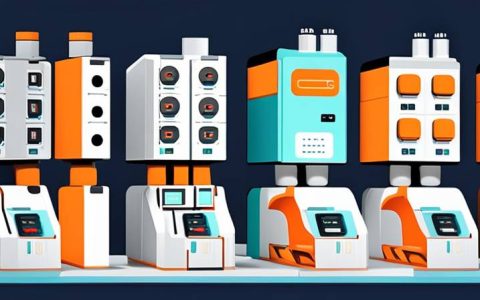
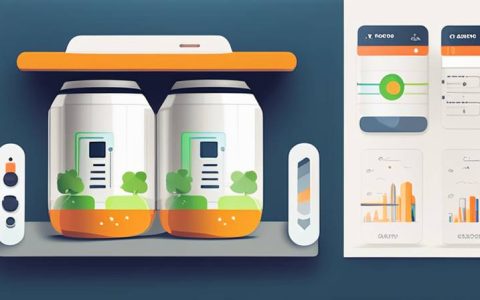
Flow batteries are versatile energy storage solutions, particularly suited for long-duration applications that require steady power output over several hours or even days. Their ability to handle thousands of charge-discharge cycles without significant degradation makes them ideal for multiple use cases:
1. Utility-Scale Energy Storage
- Grid Stabilization: Flow batteries help balance supply and demand by providing power during peak hours and storing energy during off-peak times.
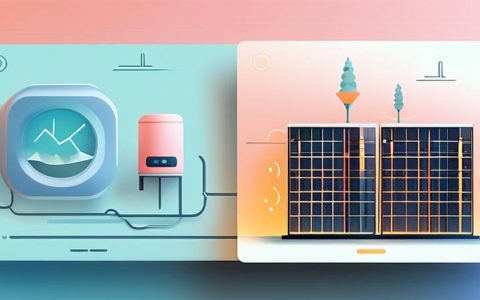
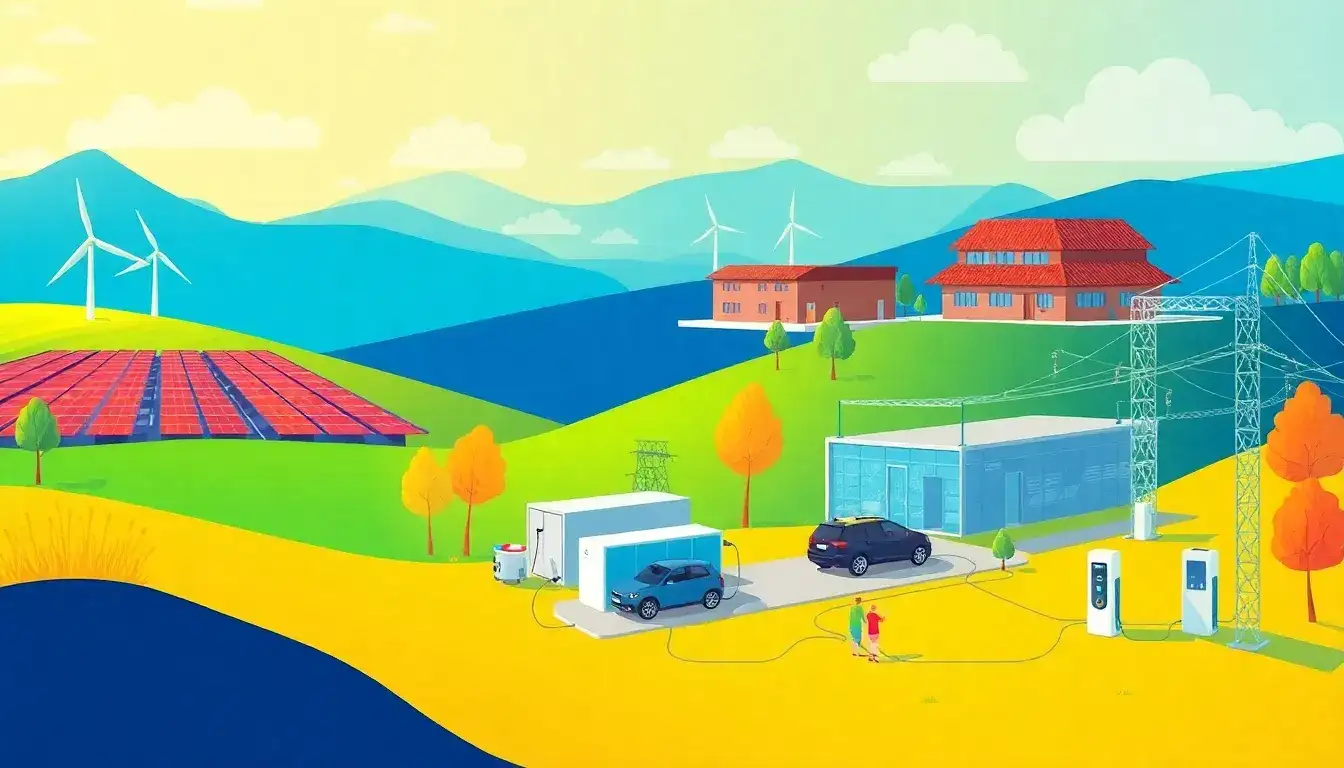
- Renewable Energy Integration: They buffer the intermittency of renewable sources like solar and wind by storing excess energy for later use.
2. Microgrid Operations
- Off-Grid Communities: Flow batteries support energy independence by storing energy from small-scale renewables, ensuring continuous power supply to critical facilities during grid outages.
- Peak Shifting: They help shift energy usage from high-demand periods to cheaper off-peak hours, reducing grid stress.
3. Industrial and Commercial Use
- Backup Power: Flow batteries provide reliable backup power for factories, office buildings, and other commercial spaces where uninterrupted power is crucial.
- Volt/VAR Support: They offer rapid voltage support to maintain grid stability and quality.
4. Future Potential in Electric Vehicles
Although less suitable for EVs due to low energy density, flow batteries could offer an “instant recharge” by swapping electrolyte liquids, potentially reducing charging times.
Flow batteries are primarily favored for their long lifecycle, scalability, and safety features, making them a reliable choice for stationary energy storage applications. However, they face challenges in mobile applications due to low energy density and high volume requirements.
Original article by NenPower, If reposted, please credit the source: https://nenpower.com/blog/what-are-the-typical-applications-for-flow-batteries/