

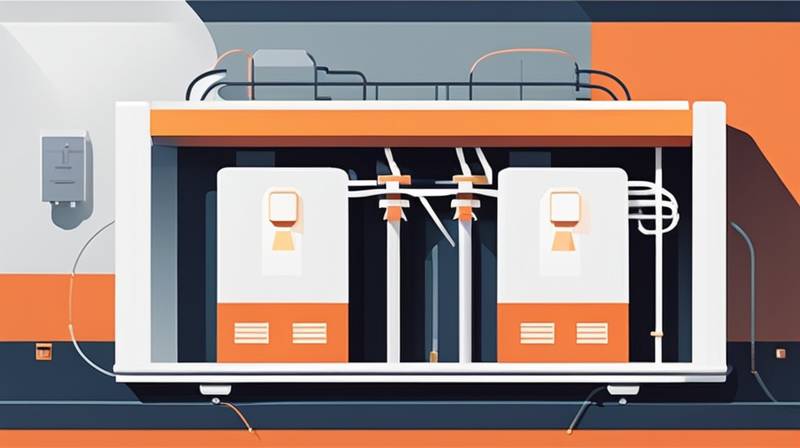
What are the tram energy storage power stations?
1. Tram energy storage power stations are advanced electrical infrastructures, 2. they primarily utilize regenerative braking technology to harness energy, 3. they contribute to sustainability and grid stability, 4. they are pivotal in transitioning towards more efficient urban transit systems. One notable aspect worth elaborating on is the regenerative braking technology, which allows trams to recover kinetic energy during braking processes. Traditional braking systems convert kinetic energy into heat, which is often wasted. In contrast, regenerative braking captures this energy, converts it to electricity, and stores it for subsequent use. This not only enhances the efficiency of tram operations but also reduces environmental impact by lowering energy consumption and greenhouse gas emissions.
1. INTRODUCTION TO TRAM ENERGY STORAGE POWER STATIONS
Understanding tram energy storage power stations involves recognizing their critical role within the urban transit landscape. These facilities harness power from trams, which greatly contributes to operational efficiency and energy conservation. In many cities, tram systems are vital for public transportation, and maximizing their energy efficiency is essential. Furthermore, as cities strive towards sustainable development, integrating energy storage solutions becomes increasingly important.
Tram energy storage systems capitalize on technologies that enable energy harvesting from either kinetic movement or braking processes. By employing regenerative braking techniques, tram systems become self-sufficient to an extent, allowing them to draw from stored energy rather than relying entirely on external power sources. This model not only lowers operational costs but also minimizes ecological footprints, a crucial consideration in today’s environmentally conscious society.
2. UNDERSTANDING THE TECHNOLOGICAL MECHANISMS
2.1. REGENERATIVE BRAKING SYSTEMS
Tram energy storage power stations primarily utilize regenerative braking technology, an innovative approach that transforms kinetic energy during stopping into electrical energy. When a tram exerts its brakes, mechanical energy is usually dissipated as heat in traditional systems. However, regenerative braking systems mitigate this energy loss by converting a significant portion of the kinetic energy back into electrical energy, which can be redirected into the tram’s power supply or stored for later use.
This technology operates on principles derived from electromagnetism, where the electric motor functions as a generator during the braking phase. The captured energy is typically stored in batteries or supercapacitors and can be immediately reused in subsequent tram operations or fed back into the grid, enhancing overall efficiency.
2.2. ENERGY STORAGE OPTIONS
The two primary storage options utilized by these systems are batteries and supercapacitors. Lithium-ion batteries are commonly favored due to their high efficiency and energy density, allowing trams to store larger amounts of energy in a compact space. These batteries undergo charging during low operational demand or braking and can release power during peak demand, ensuring reliability and continuity in tram operations.
Conversely, supercapacitors provide rapid power delivery and are ideal for high-frequency cycling applications. Their ability to charge and discharge much faster than traditional batteries makes them suitable for immediate energy demands during operation. By incorporating both technologies, tram energy storage power stations optimize performance, enabling trams to function more efficiently while maintaining grid stability.
3. IMPACT ON SUSTAINABILITY AND GRID STABILITY
3.1. CONTRIBUTION TO ENVIRONMENTAL SUSTAINABILITY
The implementation of tram energy storage power stations represents a significant stride towards environmental sustainability. Urban areas experience rising concerns about greenhouse gas emissions, necessitating a shift towards more eco-friendly transportation methods. These power stations facilitate better energy utilization by reducing dependency on fossil fuel-derived electricity.
Moreover, efficient energy storage supports the integration of renewable energy sources into the tram networks. By utilizing energy derived from sustainable sources such as solar or wind during off-peak hours, tram systems can reduce their overall ecological impact. This synergy between renewable energy and energy storage ensures a cleaner, greener alternative to traditional power methods.
3.2. ENHANCING GRID STABILITY
In addition to their ecological advantages, tram energy storage power stations play a vital role in enhancing the stability of the electrical grid. During peak periods, they can release stored energy back into the grid, which aids in balancing supply and demand. This capability is essential, given the increasing frequency of energy fluctuations caused by rising energy consumption and the sporadic nature of renewable energy generation.
Furthermore, these power stations can act as grid assets, functioning collaboratively with other components of the energy system. By providing ancillary services such as voltage support and frequency modulation, tram energy storage not only bolsters public transportation networks but also enhances the overall resilience of urban electrical systems.
4. ECONOMIC BENEFITS AND FUTURE OUTLOOK
4.1. COST-EFFECTIVE OPERATIONS
From an economic perspective, the introduction of tram energy storage power stations presents cost-effective operational benefits. By enabling tram systems to draw on stored energy and reducing electricity consumption from external sources, transit authorities can significantly lower operational expenses. Additionally, bus and tram services often face fluctuating energy prices, and energy storage provides a buffer during times of elevated costs.
Just as importantly, integrating energy storage improves the predictability of energy expenses. Fixed costs associated with renewable energy applications can streamline budgeting processes for transit agencies, allowing for enhanced financial planning and management.
4.2. TOWARDS A SMARTER FUTURE
The future of urban transit is gradually shifting towards smart technologies, and tram energy storage power stations stand at the forefront of this evolution. Innovations in energy management platforms, real-time data analytics, and artificial intelligence can further optimize energy use, enhancing the intelligent operation of tram systems.
As smart city initiatives gain momentum globally, integrating tram energy storage with intelligent transportation systems can promote multimodal transport options and improved connectivity. This seamless integration enhances commuter experiences while maximizing energy efficiency and promoting the overall adoption of sustainable urban mobility solutions.
FREQUENTLY ASKED QUESTIONS
WHAT ARE THE BENEFITS OF TRAM ENERGY STORAGE POWER STATIONS?
The advantages of tram energy storage power stations are manifold, notably enhancing the efficiency and sustainability of urban transportation. Firstly, these systems maximize energy utilization by harnessing kinetic energy through regenerative braking. This approach reduces energy wastage and operational costs. Secondly, they facilitate grid stability. During peak energy demands, stored energy can be released back into the grid, preventing outages and ensuring a consistent power supply. Lastly, incorporating renewable energy sources into tram systems enhances their overall ecological footprint. By utilizing green energy generated during low-demand periods, transit authorities can further reduce reliance on fossil fuels, aligning with global sustainability goals.
HOW DO TRAM ENERGY STORAGE POWER STATIONS INFLUENCE COMMUNITY TRANSPORTATION?
Tram energy storage power stations significantly influence community transportation by introducing efficiencies that enhance service reliability. Firstly, the use of stored energy reduces operational costs, which can translate into lower fares for passengers. Secondly, increases in energy efficiency contribute to reduced environmental impacts, fostering a culture of sustainability within the community. Lastly, the incorporation of advanced technologies in tram systems leads to improved transit times and service frequencies, making tram travel a more attractive option. This accessibility promotes increased ridership and encourages a shift away from private vehicle use, further contributing to reduced traffic congestion and improved air quality in urban settings.
WHAT IS THE FUTURE OF TRAM ENERGY STORAGE?
The future of tram energy storage suggests a trajectory towards greater integration of smart technology and sustainability practices. Primarily, advancements in energy management capabilities will enable more efficient operation of tram systems, optimizing energy usage patterns based on real-time data and demand forecasts. Also, as the push for renewable energy sources intensifies, tram energy storage systems will provide unprecedented support for integrating these technologies into urban transit infrastructure. The continued evolution towards smart city solutions, expanding connectivity with other transit modes, and improving user experiences will further position tram energy storage as an essential component of modern public transportation systems. The adoption of cutting-edge innovations promises to enhance operational performance while promoting a shift towards sustainable urban mobility.
The integration of tram energy storage power stations into modern urban transit systems heralds a new era of sustainable transportation. Foremost, these advanced infrastructures improve energy efficiency by employing regenerative braking technologies that convert kinetic energy into electrical power. Such systems lessen reliance on external power sources and contribute to lower operational costs. Moreover, tram energy storage stations provide substantial ecological benefits, primarily by reducing greenhouse gas emissions associated with public transportation.
As cities across the globe grapple with rising energy demands and environmental concerns, tram energy storage serves as a critical solution to promote urban sustainability. These power stations not only harness energy produced during tram operations but also allow for the redistribution of that energy during peak times. This dual function enhances the resilience of urban electrical grids, ensuring continued accessibility to public transit even during energy fluctuations.
Can one overlook the economic implications of these energy storage systems? The reduced dependency on traditional power sources fosters significant savings for transit agencies while paving the way for innovative funding models based on sustainable practices. Furthermore, as smart city initiatives develop, integrating tram energy storage with contemporary technologies will optimize energy use and transit operations. In essence, the future of tram energy storage power stations is intertwined with the vision of smarter cities and improved urban mobility solutions, solidifying their role as pivotal players in the transition towards greener transportation paradigms.
Original article by NenPower, If reposted, please credit the source: https://nenpower.com/blog/what-are-the-tram-energy-storage-power-stations/

