

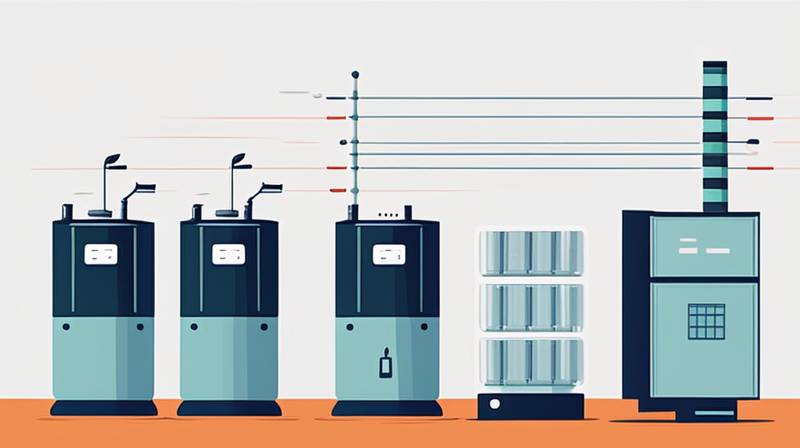
1. Thermal power storage companies focus on innovative solutions to manage energy efficiency and sustainability. They are integral in addressing the challenges associated with the intermittent nature of renewable energy sources and grid stability. The primary attributes of these companies include: 1. Enhanced energy efficiency, bridging gaps in energy supply and demand, 2. Emphasis on sustainability, reducing carbon footprints via thermal storage technologies, 3. Diverse technological offerings, from molten salt storage systems to phase change materials, 4. Engagement in market dynamics, adapting to energy market fluctuations and regulatory frameworks. Each point illustrates the complex role these entities play in the evolving energy sector and their potential for long-term impacts on energy strategies globally.
1. UNDERSTANDING THERMAL POWER STORAGE
To appreciate the role of thermal power storage companies, it is essential to grasp the fundamentals of thermal energy storage (TES). Thermal energy storage refers to the process of storing energy by heating or cooling a storage medium, such as water or molten salt. This energy can later be retrieved for various applications, notably in the generation of electricity during peak demand periods. The efficiency of TES systems lies in their capacity to manage heating and cooling loads effectively, enhancing the overall performance of power systems.
The use of thermal energy storage systems has accelerated in response to increasing energy consumption and the rise of renewable energy technologies. The necessity for such systems arises from the intermittent nature of renewables, such as solar and wind, which do not consistently produce energy to meet demand. Therefore, thermal energy storage acts as an effective buffer that enables energy to be stored when it is abundant and released when required, helping to regulate supply and demand and improve grid stability.
2. CATEGORIZATION OF THERMAL ENERGY STORAGE SYSTEMS
Analysis reveals that thermal energy storage systems can be organized into several categories, based on their storage mediums and operational methods. The two primary forms of TES are sensible heat storage and latent heat storage.
SENSIBLE HEAT STORAGE
Sensible heat storage operates on the principle of storing thermal energy by changing the temperature of a solid or liquid medium. Common examples include water tanks and gravel beds. The energy is stored in the medium as heat is added, and it is released when required. These systems are relatively straightforward and widely implemented globally.
The efficiency of sensible heat storage systems is dependent on the heat transfer characteristics of the medium and insulation properties. High performance is achievable with methods that enhance heat retention and facilitate rapid energy discharge during peak demand periods. Innovations in heat exchangers and insulation materials continue to improve the viability and efficiency of these systems for various applications.
LATENT HEAT STORAGE
Latent heat storage, on the other hand, leverages phase change materials (PCMs) to store energy. In these systems, energy is stored during the transition from solid to liquid or vice versa, usually at a constant temperature. Phase change materials can absorb and release large amounts of energy without significant temperature changes, making them highly efficient.
Several industries have embraced latent heat storage due to its effectiveness in energy density. Examples include applications in buildings for heating and cooling, where PCMs minimize energy consumption while enhancing comfort. Recent advancements in PCM technology have prompted further exploration of its utility in diverse fields, fueling interest and investment from thermal power storage enterprises.
3. EXAMPLES OF THERMAL POWER STORAGE COMPANIES
The landscape of thermal power storage comprises numerous companies pioneering advanced solutions. Landis+Gyr, a global leader, designs innovative thermal storage systems that enhance energy clarity and utility interaction. Known for their unique data-driven approach, they assist in optimizing energy supplies across various applications.
Another noteworthy example is Abengoa Solar, which dedicates considerable resources to concentrated solar power (CSP) technologies. Their innovative systems employ molten salt as a thermal storage medium, enabling the capture and later release of thermal energy. The ability to dispatch energy effectively at peak times showcases the practicality and scalability of their technologies.
Additionally, companies like Ice Energy have emerged in the thermal power storage space, focusing on ice-based thermal energy storage systems. These systems function by creating ice during off-peak hours, storing energy for later use when demand surges. This technology is especially critical in regions with significant cooling loads and fluctuating electricity prices.
4. THE ROLE OF THERMAL POWER STORAGE IN ENERGY TRANSITION
Transitioning toward a sustainable energy future requires a shift in how energy is produced and consumed. The integration of thermal power storage technologies acts as a significant mitigating factor against the issues arising from renewable energy variability. By engaging in energy transition strategies, thermal power storage companies enable a smarter, more adaptive energy grid.
Furthermore, the overall impact of these systems is profound. They serve as catalysts for integrating high shares of renewable energy while ensuring reliability and promoting economic growth through job creation and technology development. Advances in thermal storage technologies facilitate better energy resource management, minimizing reliance on fossil fuels in favor of cleaner sustainability pathways.
5. CHALLENGES AND OPPORTUNITIES IN THE THERMAL STORAGE INDUSTRY
Despite the promising landscape, several challenges hinder the widespread adoption of thermal energy storage systems. Initial capital investment remains substantial, leading some stakeholders to hesitate or abandon projects lacking financial incentive. Moreover, regulatory frameworks in various regions can pose complications for companies striving to establish themselves or promote innovation in thermal storage technologies.
However, opportunities arise concurrently with challenges. Governments globally are promoting clean energy solutions and setting ambitious renewable energy targets, indirectly stimulating the thermal energy storage segment’s growth. Public-private collaborations to fund R&D and commercialization efforts show potential for advancing technology and curbing costs, allowing broader adoption and application.
FAQ
WHAT IS THE MAIN PURPOSE OF THERMAL ENERGY STORAGE SYSTEMS?
Thermal energy storage systems aim to balance energy supply and demand by storing energy generated at off-peak times for later use during peak periods. This efficiency not only enhances grid stability but also minimizes reliance on fossil fuels, promoting environmental sustainability. Such systems enable energy to be effectively managed, facilitating the integration of intermitted renewable sources, hence reducing greenhouse gas emissions. By utilizing materials like water or phase change materials, these systems can absorb excess thermal energy, storing it for later release. Ultimately, the purpose is to create a buffer, ensuring a reliable supply of energy that matches consumer demand while optimizing performance and resource use.
HOW DO THERMAL STORAGE COMPANIES CONTRIBUTE TO SUSTAINABILITY?
These companies play a critical role in the journey towards sustainability through several channels. By developing and deploying innovative thermal storage technologies, they help integrate renewable energy sources into the grid, enhancing reliability and reducing greenhouse gas emissions. Moreover, by storing energy during periods of low demand and releasing it during peak times, they minimize the need for fossil fuel-based power plants, thus decreasing overall carbon footprints. Focused on efficient resource management, thermal storage promotes energy conservation strategies and bolsters energy security. Additionally, fostering innovations like phase change materials and advanced insulation techniques further enhances sustainability, directly aligning with global climate goals.
WHAT TECHNOLOGIES ARE CURRENTLY USED IN THERMAL ENERGY STORAGE?
Thermal energy storage encompasses several advanced technologies, the most prominent being sensible heat storage and latent heat storage systems. Sensible heat storage employs materials like water or gravel to absorb and hold heat for later use. Latent heat storage, on the other hand, uses phase change materials (PCMs) to capture energy during phase transitions. Other innovative technologies include thermochemical storage, which stores energy through reversible chemical reactions, and ice-based systems, which primarily cater to cooling applications. Each technology brings unique benefits, and many thermal energy storage companies continuously invest in R&D to improve efficiency, reduce costs, and expand the applicability of these systems across different industries.
The importance of thermal power storage entities cannot be overstated. They represent a significant advance in energy management, contributing to resilience against fluctuations in demand and supply. Their emphasis on technology, sustainability, and innovation aligns symbiotically with the paradigm shift occurring within the energy sector. By effectively harnessing thermal energy, these companies help propel the global energy agenda toward a greener, more reliable future while upholding economic viability. As the world progressively embraces renewable energy, the capacity to store and manage that energy sustainably becomes increasingly paramount, shaping how societies approach and utilize energy resources moving forward. Through a diversified portfolio of technologies and adaptive strategies to meet market needs, thermal power storage companies will play an integral role in redefining energy landscapes and encouraging cleaner, more resilient energy systems for generations to come.
Original article by NenPower, If reposted, please credit the source: https://nenpower.com/blog/what-are-the-thermal-power-storage-companies/

