

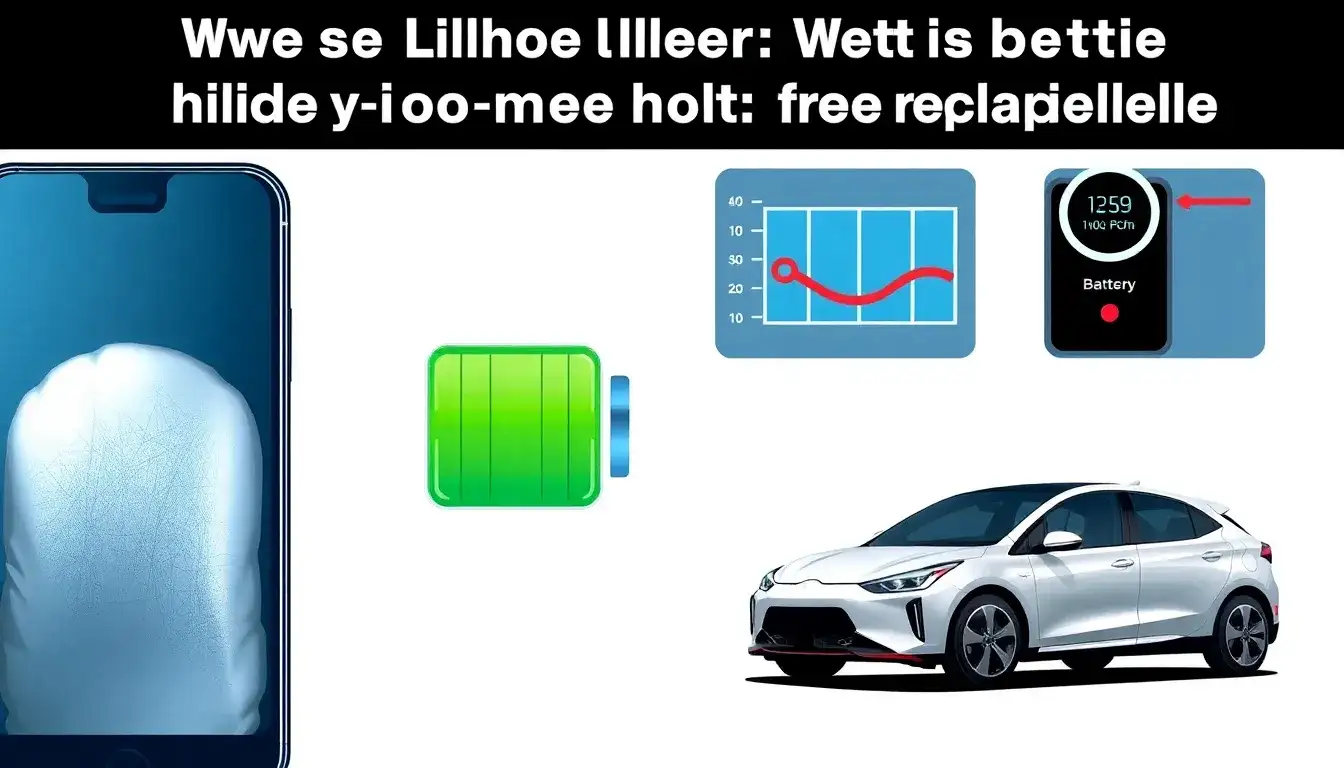
A lithium-ion battery may need to be replaced if it exhibits any of the following signs:
- Rapid Discharge Rate: If the battery drains much faster than it used to, it could indicate that the battery is wearing out.
- Difficulty Holding a Charge: If the device does not stay powered for as long as it once did, it suggests the battery is losing capacity.
- Longer Charging Time: Slower charging can indicate a reduction in battery efficiency and capacity.
- Overheating: Excessive heat during charging or use is a clear warning sign, as it can lead to safety risks like thermal runaway.
- Inability to Charge: If the battery is unable to hold a charge or if the device won’t charge, it’s likely a sign of battery failure.
- Unexpected Power Offs: If your device shuts down unexpectedly despite having sufficient charge, it could signal a failing battery.
- Inaccurate Battery Indicator: If the battery meter does not accurately reflect the remaining charge, it may be a sign of a failing battery.
- Swelling or Bulging: Physical signs like swelling or deformation of the battery casing are serious indicators of internal damage and potential safety hazards.
- Low Voltage: A significant drop in voltage level compared to the battery’s rated voltage can indicate a failing battery.
- Physical Damage: Visible signs of physical damage, such as dents or cracks, can compromise battery safety and performance.
- Unpleasant Odors or Changes in Color: These are signs of chemical degradation inside the battery, posing serious safety risks.
If you notice any of these signs, it is advisable to replace the battery to ensure both optimal performance and safety.
Original article by NenPower, If reposted, please credit the source: https://nenpower.com/blog/what-are-the-signs-that-a-lithium-ion-battery-needs-to-be-replaced/

