

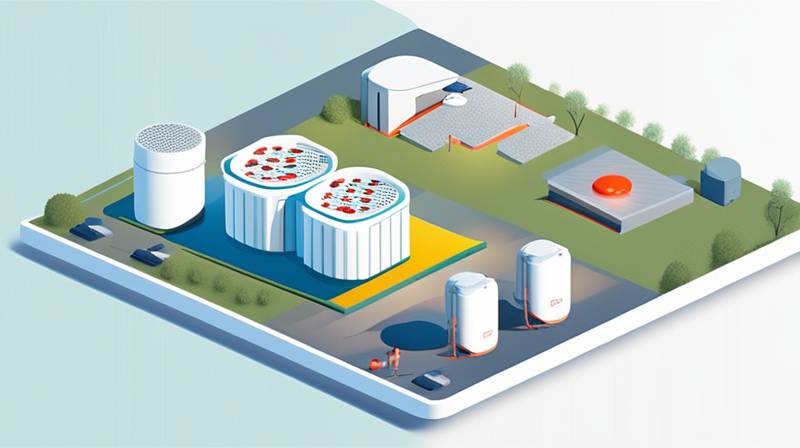
Shanxi Province, located in northern China, is undertaking significant hydrogen energy storage initiatives that are poised to reshape its energy landscape. 1. These projects aim to leverage renewable energy sources, 2. facilitate large-scale hydrogen production, 3. enhance energy security, and 4. drive economic growth in the region. The crucial objective is to create a sustainable energy ecosystem that addresses both local and national energy demands while also contributing to reducing carbon emissions. Notably, Shanxi has rich coal resources and is traditionally known as a coal-producing area; however, the shift toward hydrogen technology demonstrates the region’s commitment to diversifying its energy portfolio. By investing in hydrogen infrastructure and technology, Shanxi is laying groundwork for innovative energy storage solutions that not only benefit its economy but also align with China’s broader environmental goals.
1. BACKGROUND OF SHANXI’S ENERGY LANDSCAPE
Shanxi Province presents a unique scenario in the context of energy production in China. Historically, the province has been synonymous with coal mining, providing a substantial portion of the country’s energy needs. However, recent shifts in climate policy and the urgent need to transition to cleaner energy sources have catalyzed a re-evaluation of this dependence on fossil fuels. The provincial government recognizes the significance of transitioning to a low-carbon economy, aiming to reduce coal consumption while enhancing the use of renewable energy. This acknowledgment has not only spurred significant investments in renewable energy technologies but also laid the groundwork for hydrogen energy initiatives.
Hydrogen has emerged as a viable alternative to traditional energy sources due to its versatility and potential for large-scale applications. When combined with renewable energy generation, hydrogen can serve as an effective energy carrier, enhancing overall energy system resilience. Shanxi’s investment in hydrogen energy storage projects not only reflects national trends but also showcases a pioneering spirit within provincial energy policy. These projects represent both an opportunity for economic revitalization and an imperative response to the pressing climate crisis.
2. OVERVIEW OF HYDROGEN ENERGY STORAGE PROJECTS
Detailed exploration into the various hydrogen energy storage projects in Shanxi reveals a commitment to harnessing renewable energy for hydrogen generation. Multiple projects are being developed concurrently, each with distinct frameworks and objectives that contribute to both local and national energy framework objectives. These initiatives focus primarily on producing hydrogen via electrolysis, using electricity generated from renewable sources to split water into hydrogen and oxygen. This method of hydrogen generation is favored due to its low environmental impact compared to conventional methods, particularly in the context of a province traditionally reliant on coal.
One prominent project is the integration of hydrogen production using wind and solar energy, where excess electricity produced during peak generation times can be converted into hydrogen. By storing energy in the form of hydrogen, Shanxi can effectively manage fluctuations in supply and demand, thereby enhancing grid stability. The ability to store hydrogen and use it as needed not only optimizes renewable resource usage but also positions Shanxi as a leader in energy innovation.
3. TECHNICAL ASPECTS OF HYDROGEN STORAGE
The technical challenges associated with hydrogen storage are pivotal in determining the success of these projects. Hydrogen has unique properties that pose specific challenges, requiring advanced materials and technologies for efficient storage. Conventional storage methods such as high-pressure gas cylinders or liquid hydrogen storage are being evaluated alongside solid-state hydrogen storage solutions. These alternatives offer different benefits, including safety and energy density considerations, which are critical in the context of large-scale storage.
Additionally, implementing effective hydrogen transport infrastructure is essential for project viability. Shanxi is exploring pipeline systems and transportation methods that will allow for hydrogen distribution not only within the province but also to neighboring regions. This infrastructure development is integral, ensuring that hydrogen can be effectively transported to areas with high energy demands, ultimately creating a regional and even national hydrogen economy.
4. ECONOMIC CONSIDERATIONS
The hydrogen energy storage initiatives in Shanxi come with significant economic implications. Investment in these projects is expected to catalyze economic growth by creating new job opportunities and reducing reliance on imported fuels. The emerging hydrogen sector not only builds on the region’s existing energy capabilities but also attracts investment and talent from across the globe, thereby enhancing its economic landscape.
Moreover, the development of a hydrogen economy presents prospects for innovation and technology transfer, as researchers and engineers explore new ways to improve hydrogen production and storage. Shanxi’s initiatives reflect a movement towards attracting tech firms and research institutions, which may bolster the region’s standing as a hub for emerging energy technologies. By harnessing the power of hydrogen, Shanxi is poised to become a focal point of economic activity and innovation in the clean energy sector.
5. ENVIRONMENTAL IMPACT AND SUSTAINABILITY
The environmental dimensions of Shanxi’s hydrogen projects warrant thorough examination. This initiative not only contributes to significant reductions in greenhouse gas emissions but also promotes sustainable resource utilization. By participating in the global shift toward diversified energy sources, Shanxi is proactively addressing climate concerns while fostering local environmental stewardship.
The successful deployment of hydrogen energy storage systems can significantly reduce reliance on fossil fuels for energy production and consumption. This transition is a necessary step toward achieving broader environmental objectives outlined in national policies, including carbon neutrality goals. In this light, Shanxi’s hydrogen energy projects represent a tangible commitment to sustainability, with the potential to inspire similar initiatives in other provinces suffering from the consequences of fossil fuel dependence.
6. CHALLENGES AND FUTURE PROSPECTS
Despite the promising outlook of Shanxi’s hydrogen energy projects, various challenges remain. The high costs associated with hydrogen production and storage technologies still present a barrier to widespread adoption. Collaborative efforts among government agencies, private investors, and educational institutions are crucial for overcoming these economic and technical hurdles.
Additionally, public perception and understanding of hydrogen technology play a critical role in its acceptance and integration into the broader energy framework. Educational initiatives are necessary to raise awareness about the benefits of hydrogen energy, addressing potential safety concerns and emphasizing its environmental advantages. As Shanxi continues to push forward with its hydrogen energy storage projects, both the establishment of robust infrastructure and a concerted effort toward public engagement will be central to driving the next phase of development.
FREQUENTLY ASKED QUESTIONS
WHAT IS HYDROGEN ENERGY STORAGE AND HOW DOES IT WORK?
Hydrogen energy storage involves generating, storing, and using hydrogen as an energy carrier. The process begins with producing hydrogen via methods such as water electrolysis. This approach splits water molecules into oxygen and hydrogen using electricity generated from renewable sources like wind or solar power. The produced hydrogen can be stored efficiently and later converted back into electricity through fuel cells or combusted for heat and power. The flexibility of hydrogen as an energy storage medium enables it to store excess renewable energy during periods of high generation and release it when demand peaks, significantly contributing to energy security and grid stability. This technology is particularly appealing for regions with abundant renewable resources and aims to transition away from traditional fossil fuel dependence.
WHAT ARE THE BENEFITS OF SHANXI’S HYDROGEN PROJECTS FOR THE LOCAL ECONOMY?
The hydrogen energy storage projects in Shanxi have the potential to significantly benefit the local economy in several ways. First, the creation of new job opportunities is a direct outcome, as these projects require skilled labor for construction, operation, and maintenance. Additionally, investments in this sector are expected to stimulate related sectors, including research and development, manufacturing, and the supply chain for renewable energy components. Moreover, by reducing dependency on coal and creating a cleaner energy infrastructure, these initiatives position Shanxi as an innovator in the renewable energy field. As regional demand for hydrogen increases, the province can leverage export opportunities—both within China and internationally, which can further elevate its economic standing. Overall, the transition to a hydrogen economy fosters economic diversification and long-term resilience.
HOW DOES HYDROGEN STORAGE CONTRIBUTE TO ENVIRONMENTAL SUSTAINABILITY?
Hydrogen storage offers substantial environmental benefits, particularly regarding greenhouse gas emissions and resource utilization. When hydrogen is produced through renewable energy sources, it contributes to a significant reduction in carbon footprints compared to fossil fuels. This transition is critical for meeting global climate targets and ensuring environmental sustainability. Additionally, hydrogen as an energy carrier can balance intermittent renewable energy sources, enhancing grid stability and reducing reliance on traditional backup systems that typically involve fossil fuel combustion. Furthermore, the focus on utilizing clean energy for hydrogen production aligns with sustainable resource management principles. By integrating hydrogen storage into the energy mix, regions like Shanxi can make strides toward achieving their environmental commitments while promoting a cleaner, more sustainable future.
Undeniably, the hydrogen energy storage projects emerging in Shanxi represent a strategic initiative that aligns with global energy transition goals and local developmental aspirations. The adoption of hydrogen as a mainstream energy solution holds the promise of transforming Shanxi’s energy landscape by promoting sustainable practices, enhancing energy security, and catalyzing economic growth. Moreover, the implementation of these projects illustrates a crucial commitment to innovation and a forward-thinking approach to energy management amidst a shifting global energy paradigm. As Shanxi embraces this transformative journey, it positions itself not only as a leader in hydrogen technology but also as a model for other regions facing similar energy challenges, ultimately contributing to China’s broader objectives of achieving a sustainable future. The ongoing commitment from local authorities, industry stakeholders, and the broader community will be essential to navigate the complexities associated with this transition and realize the far-reaching benefits that hydrogen energy storage can offer. The collective efforts to innovate, educate, and invest will undoubtedly stand as a testament to the province’s potential in reshaping its energy legacy and forging a path toward a more sustainable and prosperous future.
Original article by NenPower, If reposted, please credit the source: https://nenpower.com/blog/what-are-the-shanxi-hydrogen-energy-storage-projects/

