

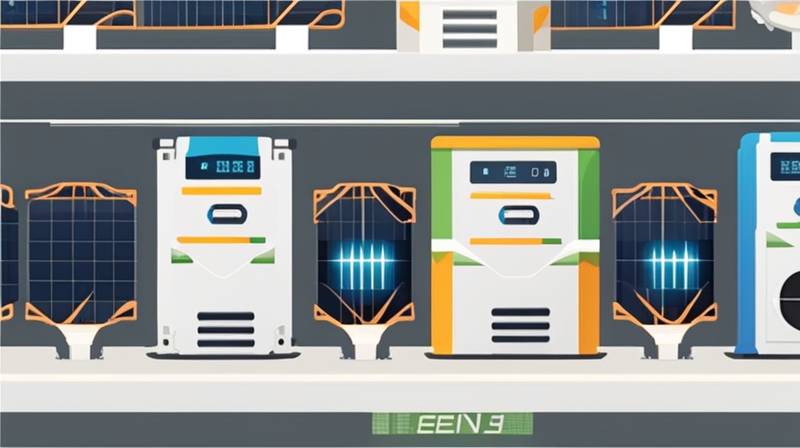
1. Rural energy storage projects involve innovative systems designed to store energy in remote areas, primarily for agricultural and local consumption. 2. These initiatives often use renewable sources, like solar or wind, to create decentralized power solutions. 3. They address common challenges faced by rural communities, including energy access and sustainability. 4. By integrating storage technology, these projects enhance energy reliability and utilization while reducing dependency on traditional fossil fuels. 5. The impact of these systems extends beyond energy supply, contributing to economic development, job creation, and environmental health. 6. Successful projects frequently showcase community involvement, grant funding, and partnerships with local governments or NGOs. 7. The scalability of rural energy storage serves as a model for wider energy transition strategies. This transformation supports the global movement toward resilient and sustainable energy futures, particularly in underserved regions.
1. INTRODUCTION TO RURAL ENERGY STORAGE
Rural energy storage initiatives represent an essential stride towards fostering sustainability and energy equity in less populated areas. As communities grapple with challenges related to energy accessibility and reliability, these projects leverage innovative technologies to harness renewable resources efficiently. The importance of these systems lies in their ability to provide uninterrupted power supply, thereby boosting economic activities and enhancing quality of life. By concentrating efforts on storage solutions suitable for rural settings, the projects are increasingly recognized as vital components of the wider energy landscape.
One of the most promising aspects of rural energy storage is its capacity to empower local communities. As conventional electricity grids often overlook rural locales, these storage systems create greater autonomy in energy management. This phenomenon is particularly significant, as it alleviates long-standing energy poverty and opens avenues for self-sufficiency. As localities embrace renewable energy sources, they simultaneously reduce their carbon footprints and contribute to a greener planet. The multifaceted advantages associated with these initiatives warrant an in-depth exploration of their mechanisms, technologies, and overarching implications.
2. TYPES OF RURAL ENERGY STORAGE TECHNOLOGIES
2.1. MECHANICAL ENERGY STORAGE
Mechanical energy storage encompasses various methods that utilize physical systems to store energy. Pumped hydro storage remains one of the oldest and most widely employed technologies, leveraging gravitational potential energy. Water is pumped to higher elevations during off-peak electricity usage, releasing energy through turbines when demand rises. This highly efficient process allows communities to store surplus energy generated during favorable conditions, effectively balancing supply and demand.
Another promising method is compressed air energy storage (CAES). This involves compressing air in underground caverns and releasing it through turbines to generate electricity during peak demand. The adaptability of CAES makes it suitable for diverse geographical locations. Both mechanical energy storage methods present viable solutions for rural applications, offering long durations of energy retention along with significant scalability potential.
2.2. ELECTROCHEMICAL ENERGY STORAGE
Electrochemical energy storage is dominated by battery systems, which have gained considerable attention for their efficiency and ease of integration. Lithium-ion batteries, for instance, stand out due to their high energy density and decreasing costs, making them accessible for rural communities. These systems can accompany renewable energy installations, storing excess generation for later use.
Additionally, innovations in flow battery technology promise significant advancements in energy storage capabilities. Flow batteries allow for scalable and modular designs, enhancing their applicability in various rural settings. With the growing focus on renewable integration, electrochemical storage systems play a pivotal role in stabilizing energy supply and facilitating community-driven energy management initiatives.
3. THE ROLE OF RENEWABLE ENERGY IN RURAL STORAGE PROJECTS
3.1. SOLAR ENERGY APPLICATIONS
Solar energy emerges as a key player in rural energy storage projects. The availability of sunlight in most regions, coupled with the declining costs of solar panels, positions solar energy as a primary source for rural electrification. By integrating solar photovoltaics (PV) with storage technologies, communities can generate and store energy efficiently, overcoming reliance on traditional grid infrastructures.
Moreover, solar microgrids equipped with storage systems have been implemented successfully in numerous rural settings. These microgrids allow for localized energy production and distribution, enhancing energy security and resilience. As communities adopt solar technology, they reduce greenhouse gas emissions while creating employment opportunities related to installation and maintenance.
3.2. WIND ENERGY UTILIZATION
Wind energy also plays a pivotal role in rural energy storage projects. Turbines harness wind energy to supply electricity, specifically beneficial in areas with favorable wind conditions. When combined with energy storage solutions, wind projects can level out supply fluctuations, thereby ensuring a stable energy flow to local grids.
The potential of distributed wind generation is exemplified by small-scale wind turbines suitable for rural landscapes. These systems support energy independence and promote economic diversification by providing local jobs in manufacturing and maintenance. Overall, wind energy utilization within storage projects emphasizes the importance of renewable resources in driving sustainable growth in rural communities.
4. CHALLENGES AND SOLUTIONS IN RURAL ENERGY STORAGE
4.1. INFRASTRUCTURAL BARRIERS
Numerous infrastructural barriers inhibit the implementation of energy storage projects in rural contexts. Limited access to modern energy grids poses significant obstacles to project feasibility, particularly in isolated areas. The disparity in resources often leads to increased logistical challenges, requiring innovative solutions to establish robust storage systems.
Addressing these barriers necessitates collaboration with governmental agencies and funding organizations. Mobilizing financial support can enable local businesses or utilities to invest in energy storage projects, ultimately enhancing accessibility. Likewise, capacity building through training and support can equip communities with the necessary skills to manage and maintain these systems effectively.
4.2. POLICY AND REGULATORY ISSUES
Intricacies within policy frameworks can hinder progress towards rural energy storage projects. Existing regulations may not adequately incentivize renewable integration or complicate the approval processes for storage installations. It is crucial to advocate for supportive policies that promote renewable energy adoption and empower rural stakeholders.
To navigate these complexities, stakeholders must engage in thoughtful dialogues with policymakers, emphasizing the benefits of rural energy storage. Building coalitions among various community members can amplify advocacy efforts, influencing policy changes that align with local interests. Ultimately, fostering an environment conducive to innovation and investment is fundamental to the expansion of rural energy storage projects.
5. ECONOMIC IMPACTS OF RURAL ENERGY STORAGE PROJECTS
5.1. JOB CREATION AND LOCAL ECONOMIES
Rural energy storage initiatives stimulate economic growth through job creation. As these projects expand, they generate employment opportunities in areas such as technology installation, operation, and maintenance. Furthermore, the rise of renewable energy industries contributes to the local economy by promoting skill development among residents, ensuring a skilled workforce that can support sustainable practices.
The enhancement of local businesses is another notable impact of energy storage projects. With uninterrupted energy access, agricultural and manufacturing operations can thrive, boosting productivity and enabling diversification within the economy. By providing stable energy solutions, communities can overcome economic challenges, leading to broader social and financial resilience.
5.2. LONG-TERM SUSTAINABILITY
The long-term sustainability of rural energy storage projects has significant implications for environmental health. With a transition to renewable energy sources, communities experience reduced greenhouse gas emissions and decreased reliance on fossil fuels. The environmental benefits of such initiatives contribute to combating climate change and protecting natural resources.
Moreover, rural energy storage allows for more efficient land use. By integrating energy systems within existing infrastructures, communities can maximize resource utilization while minimizing ecological disruption. As a result, these projects not only secure energy needs but also promote environmental stewardship, ensuring a balanced approach to economic and ecological sustainability.
FAQS
WHAT ARE THE MAIN BENEFITS OF RURAL ENERGY STORAGE PROJECTS?
Rural energy storage projects offer significant advantages such as enhanced energy autonomy, environmental sustainability, and economic development. One of the core benefits is the enhancement of energy access for isolated communities. These areas often face energy poverty, which hinders economic activities and overall quality of life. By implementing energy storage technologies, rural communities can generate and store power locally, diminishing reliance on distant power sources.
Moreover, these storage systems promote the use of renewable energy sources, reducing greenhouse gas emissions. Utilizing sustainable energy solutions helps combat climate change, demonstrating alignment with global environmental goals. Additionally, the development of energy storage projects can lead to local job creation, fostering skill development and income generation. As a result, rural energy storage projects contribute holistically to community resilience and well-being, ultimately enhancing the prospects for sustainable development.
HOW DO RURAL ENERGY STORAGE PROJECTS IMPACT THE ENVIRONMENT?
Rural energy storage projects significantly impact the environment through their focus on renewable energy utilization. By decreasing reliance on fossil fuels, communities can mitigate greenhouse gas emissions, resulting in lower air pollution levels. The shift towards clean energy sources supports climate action by promoting sustainable practices and protecting natural ecosystems.
Additionally, energy storage technologies can facilitate more efficient resource management. By capturing excess energy generated during peak conditions, communities reduce waste and optimize energy usage. This increased efficiency not only provides immediate power to localities but also supports long-term ecological health. Furthermore, rural energy storage projects often encourage land stewardship, as communities prioritize environmental conservation while enhancing infrastructure. As a result, these projects embody a balanced approach to energy production and environmental responsibility.
WHAT FUNDING SOURCES ARE AVAILABLE FOR RURAL ENERGY STORAGE PROJECTS?
A variety of funding sources are accessible to support rural energy storage projects. Government grants and subsidies often provide crucial financial assistance, helping communities initiate and sustain their energy initiatives. Many governments recognize the importance of renewable energy in achieving sustainability goals; thus, they allocate funds to support innovative projects in rural settings.
Innovation competitions and public-private partnerships also represent viable funding avenues. These programs encourage collaboration among stakeholders to finance and execute energy storage projects effectively. Alternative financing models, such as crowdfunding or community investment schemes, allow local residents to participate in funding, fostering ownership and commitment to the projects they help create. By leveraging diverse funding sources, rural energy storage initiatives can thrive and achieve long-term sustainability.
In summary, rural energy storage projects constitute a transformative force within energy management systems, targeting the unique needs of less populated areas while driving sustainable development. The integration of renewable energy sources with effective storage solutions fosters greater energy independence, stimulates local economies, and enhances environmental resilience. These multifaceted initiatives address both immediate energy needs and long-term sustainability goals, establishing a pathway towards a more equitable energy future.
The importance of community engagement in the success of these projects cannot be overstated, as local buy-in and participation lead to shared ownership and responsibility. Furthermore, overcoming infrastructural and regulatory challenges via collaborative efforts can pave the way for innovative solutions tailored to rural contexts. In light of these points, it becomes evident that the potential of rural energy storage projects extends far beyond mere energy supply; they present a comprehensive strategy for achieving economic, social, and environmental objectives.
To foster impactful change in rural areas, stakeholders must prioritize inclusivity, education, and capacity building, ensuring that everyone benefits from these transformative initiatives. As the world moves toward a more sustainable future, rural energy storage projects exemplify how local action can resonate globally, empowering communities, healing the planet, and creating enduring legacies for generations to come.
Original article by NenPower, If reposted, please credit the source: https://nenpower.com/blog/what-are-the-rural-energy-storage-projects/

