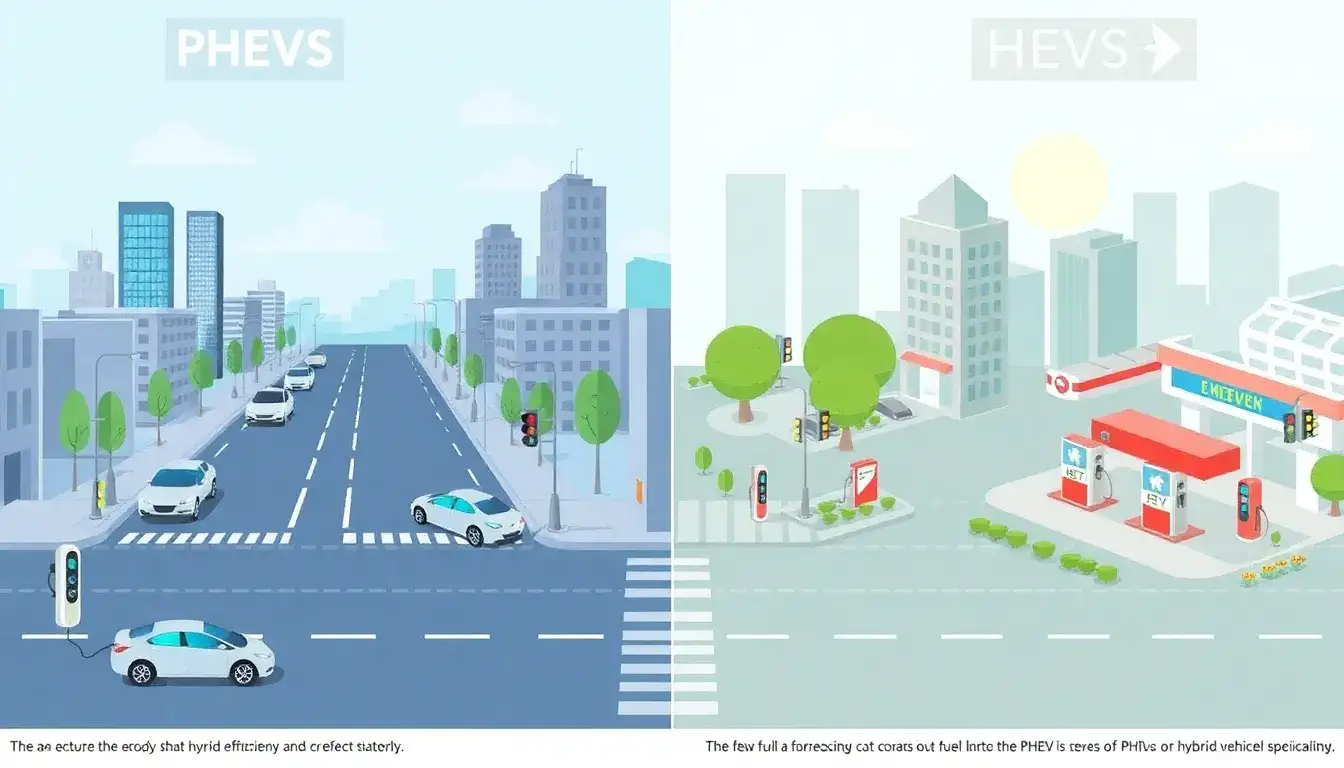
Hybrid Electric Vehicles (HEVs) and Plug-in Hybrid Electric Vehicles (PHEVs) exhibit distinct real-world fuel efficiency patterns in urban areas, influenced by driving habits, battery usage, and trip distances.
HEV performance
HEVs typically show smaller gaps between claimed and real-world fuel consumption (10–20% higher than advertised). Urban driving benefits from regenerative braking and frequent stop-start conditions, where their gasoline-electric synergy reduces fuel use compared to conventional vehicles.
PHEV performance
PHEVs achieve superior fuel economy in short urban trips when regularly charged, often using minimal gasoline. However, real-world fuel consumption averages 45–73% higher than advertised due to insufficient charging or longer trips exhausting the electric range. While PHEVs in Consumer NZ’s test consumed 1.3–3.1L/100km (vs. 4.0–6.6L/100km for HEVs), the percentage overshoot is greater because their official claims assume more electric-only use.
Key factor: Electric range utilization
PHEVs outperform HEVs in urban efficiency only if drivers maximize electric mode for city trips (e.g., staying within 50 km/day). When not charged, PHEVs function as heavier HEVs, reducing their advantage. HEVs provide more consistent urban fuel savings without dependency on charging infrastructure.
Efficiency comparison table
| Vehicle Type | Claimed vs. Real Gap | Urban Fuel Use | Dependency on Charging |
|---|---|---|---|
| HEV | 10–20% higher | 4.0–6.6L/100km | None |
| PHEV | 45–73% higher | 1.3–3.1L/100km | Critical for efficiency |
PHEVs theoretically achieve better urban efficiency, but real-world outcomes depend heavily on charging behavior. HEVs offer more predictable savings for drivers without consistent charging access.
Original article by NenPower, If reposted, please credit the source: https://nenpower.com/blog/what-are-the-real-world-fuel-efficiency-differences-between-phevs-and-hevs-in-urban-areas/