

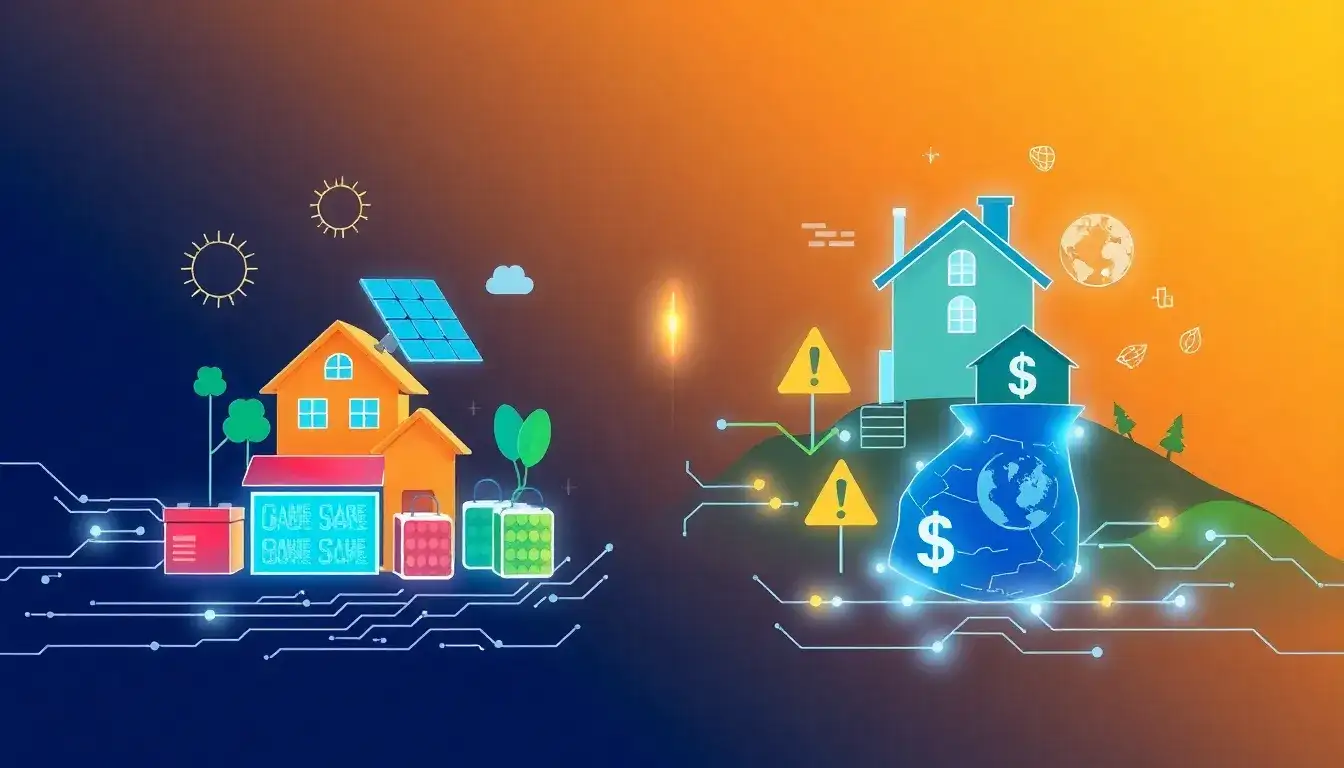
Pros and Cons of All-in-One Energy Storage Systems
All-in-one energy storage systems integrate multiple components like batteries, inverters, and charge controllers into a single unit, offering a simplified solution for energy storage and management. Here are the key pros and cons of these systems:
Pros:
- Easy Installation: They simplify the installation process by combining all necessary components into a single unit, reducing the complexity of setup.
- Compact Design: These systems require less space, making them suitable for homes and businesses with limited areas.
- Cost-Effective: They reduce installation costs and minimize soft costs by eliminating the need for separate equipment purchases and setups.
- Efficiency: The integrated design often results in reduced energy loss due to fewer connections and components.
- User-Friendly Monitoring: Many systems include apps or dashboards for real-time monitoring and management of energy use.
- Simplified Maintenance: The single-unit design reduces maintenance complexity compared to separate component systems.
Cons:
- Limited Scalability: Since components are integrated, expanding capacity can be challenging if more storage is needed.
- Expansion Limitations: The integrated nature limits the ability to easily add more storage or larger components.
- Heat Dissipation: Poor heat dissipation can lead to performance issues during prolonged high-load operations.
- Higher Upfront Cost: While installation costs are lower, the initial purchase price for an all-in-one system may be higher than buying individual components.
Original article by NenPower, If reposted, please credit the source: https://nenpower.com/blog/what-are-the-pros-and-cons-of-all-in-one-energy-storage-systems/

