

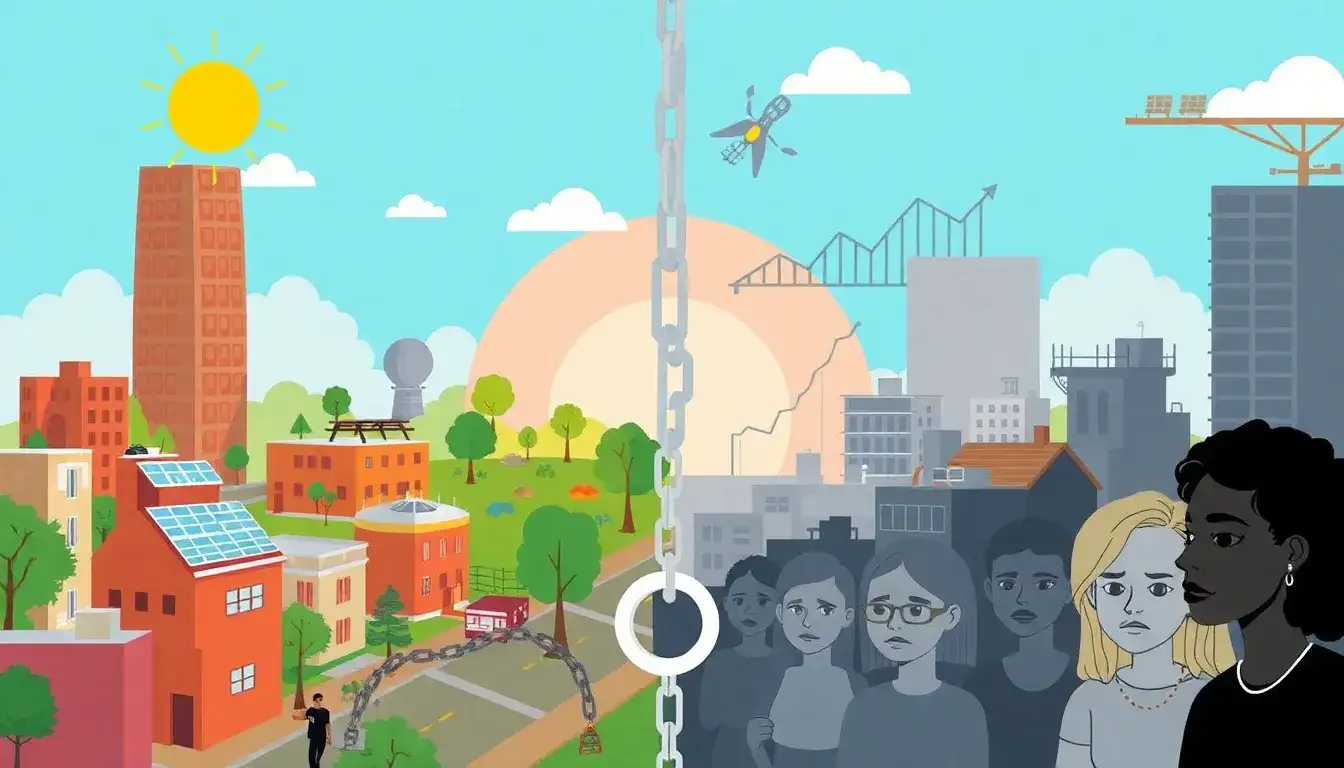
The Low-Income Communities Bonus Credit Program
Part of the Inflation Reduction Act (IRA), aims to incentivize renewable energy projects in low-income communities. However, despite its positive intentions, there are several potential pitfalls associated with its implementation:
Potential Pitfalls
- Limited Impact on Actual Low-Income Households:
- The majority of funded projects (about 98%) are allocated based on location in low-income areas rather than providing direct financial benefits to residents. This can lead to solar and wind installations that do not necessarily improve energy affordability or provide financial savings for low-income households.
- Competitive Allocation and Capacity Caps:
- The program has a limited capacity of 1.8 GW annually, which creates a competitive grant process. This limit can make project financing uncertain, as developers must compete for credits, potentially excluding beneficial projects.
- Insufficient Implementation Guidance:
- The initial guidance by the Treasury Department, which included a limited application window, was criticized for not aligning well with project timelines and potentially favoring larger developers over community-based organizations.
- Risk of Gentrification:
- Projects might inadvertently contribute to gentrification if they raise property values, potentially displacing existing residents without providing direct financial benefits. This risk could exacerbate existing socioeconomic disparities.
- Lack of Transparency in Benefits:
- Due to tax confidentiality laws, there is limited transparency about who benefits from these projects and their actual outcomes. This lack of transparency complicates the assessment of the program’s effectiveness.
- Infrastructure and Interconnection Challenges:
- Challenges around grid interconnection and infrastructure can hinder the development and operation of community solar projects, which are critical for delivering benefits to low-income communities.
- Dependence on Future Adjustments:
- The program’s success may depend on future adjustments and improvements to address these pitfalls, such as revising the capacity cap and application process to prioritize community-serving projects more effectively.
Original article by NenPower, If reposted, please credit the source: https://nenpower.com/blog/what-are-the-potential-pitfalls-of-the-low-income-communities-bonus-credit-program/

