

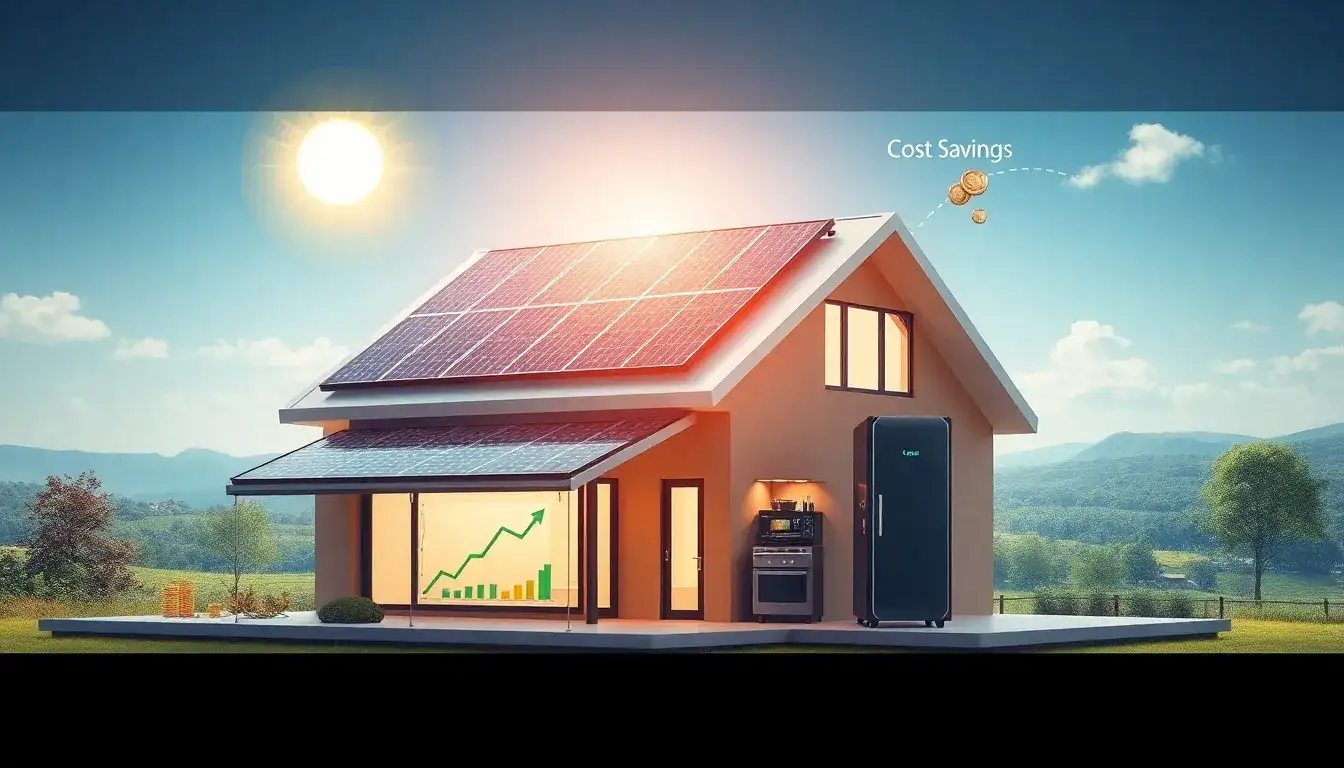
Long-Term Cost Savings for Consumers with Battery Energy Storage Systems
1. Declining Battery Costs
- Battery costs have dramatically dropped over the past decade. Lithium-ion battery prices fell from around $1,100 per kWh in 2010 to approximately $137 per kWh by 2022, an 89% decline, and prices are projected to continue decreasing by 50-60% or more by 2030 through manufacturing optimizations and technology improvements.
- This cost reduction improves the economic feasibility of residential and commercial battery storage systems, enabling consumers to invest with higher returns over time.
2. Reduced Electricity Bills Through Energy Shifting and Self-Consumption
- BESS allows consumers, especially with rooftop solar PV, to store excess solar generation during the day and use it later in the evening or during peak times, reducing reliance on grid electricity purchased at higher rates. This maximizes self-consumption and lowers energy bills.
- By shifting energy use away from expensive peak demand periods, consumers can avoid or reduce demand charges and peak-time electricity rates.
3. Enabling Higher Renewable Energy Integration
- Energy storage supports integration of more wind and solar, which are the cheapest electricity sources, by storing excess renewable power that would otherwise be curtailed or wasted. This helps lower overall system costs which can translate into lower rates for consumers.
- It also reduces energy waste by using stored renewable energy when demand is high and supply is low.
4. Improving Grid Efficiency and Reliability
- Batteries provide fast, dispatchable energy services such as frequency regulation, peak power supply, and grid congestion relief. This improves grid efficiency and reduces overall system costs, benefits reflected in consumer power rates.
- BESS increases grid resilience by backing up power during outages or extreme weather events, preventing costly disruptions and their economic impacts on households and businesses.
5. Deferred Grid Infrastructure Investments
- Widespread adoption of battery storage can defer or reduce the need for costly grid upgrades and new power plants, costs which are typically passed to consumers.
- By smoothing demand spikes and supporting distributed energy resources, BESS reduces strain on transmission and distribution infrastructure.
6. Economic Benefits for Commercial and Industrial Users
- Commercial and industrial consumers benefit from battery storage via peak shaving, demand charge reduction, and enhanced energy management, yielding direct cost savings and improved operational efficiency.
Summary Table of Long-Term Consumer Cost Benefits from BESS
| Cost-Saving Mechanism | Description |
|---|---|
| Battery Cost Declines | Significant price drops improve affordability and ROI for consumers |
| Energy Bill Reduction | Load shifting, self-consumption of solar, and peak demand management |
| Renewable Energy Integration | Maximizes use of low-cost wind/solar, reducing system-wide energy costs |
| Grid Efficiency & Reliability | Supports grid stability and reduces power disruptions, preventing economic losses |
| Deferred Grid Infrastructure Costs | Reduces need for expensive grid upgrades, lowering consumer power rates |
| Commercial/Industrial Cost Reduction | Enables demand charge and operational savings for businesses |
Overall, battery energy storage systems are transforming energy consumption economics by enabling consumers to use cheaper renewable energy more efficiently, reducing reliance on expensive grid power during peak times, and supporting a more resilient and efficient grid. These factors lead to meaningful long-term cost savings for consumers across residential, commercial, and utility sectors.
Original article by NenPower, If reposted, please credit the source: https://nenpower.com/blog/what-are-the-potential-long-term-cost-savings-for-consumers-with-battery-energy-storage-systems/

