

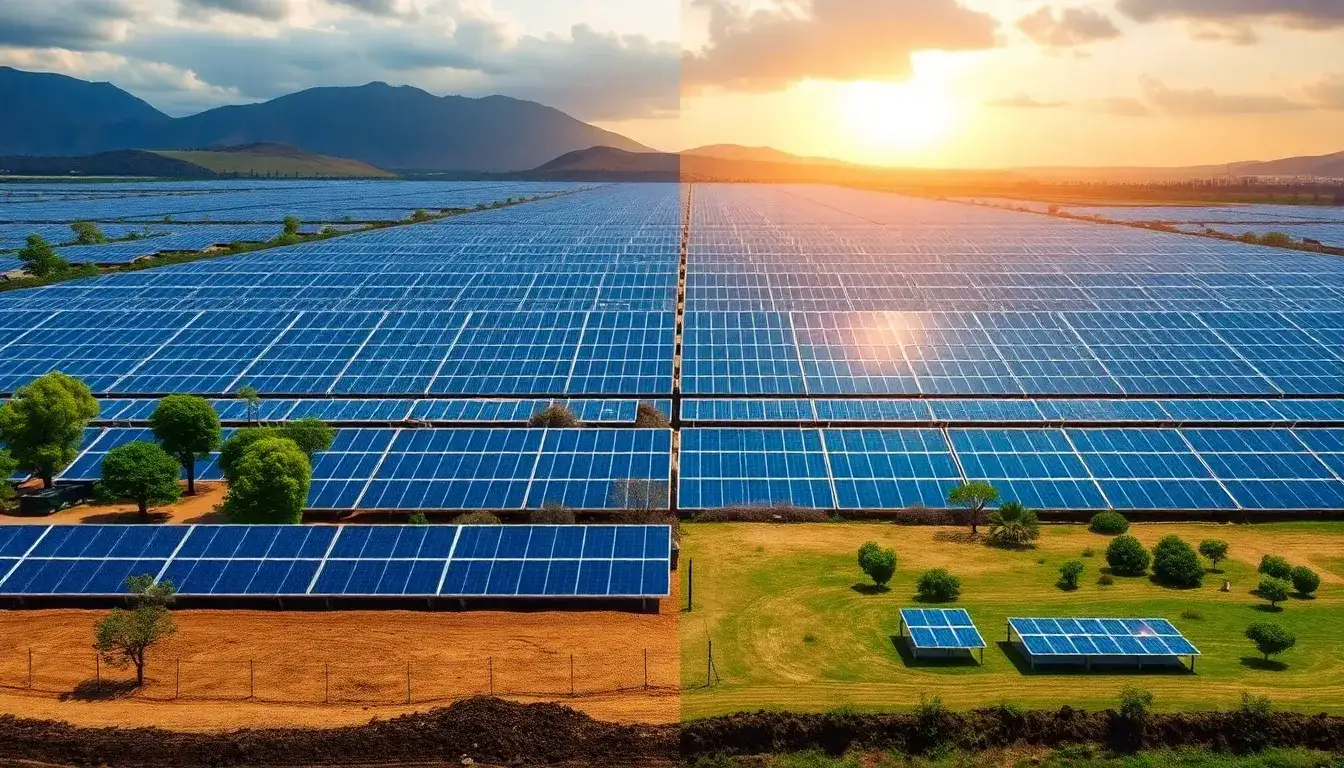
Potential Drawbacks of Bifacial Solar Panels
- Higher Initial Cost: Bifacial panels are generally more expensive upfront than traditional monofacial panels, due to their more complex design and materials like glass on both sides. This increased initial investment can be a barrier, especially for residential or smaller installations.
- Complex Installation Requirements: To maximize the energy benefits, bifacial panels require careful and often more sophisticated installation. Installers must optimize factors like tilt angle, elevation, mounting structure, and ensure reflective surfaces are available beneath them. This complexity can raise installation costs and planning efforts.
- Dependence on Reflective Surfaces (Albedo Effect): The enhanced efficiency of bifacial panels depends heavily on the reflectivity of the ground or surfaces beneath the panels. Surfaces like grass or shaded areas reduce the backside generation, limiting performance gains.
- Heavier Panels and Structural Needs: Bifacial modules typically weigh more and require stronger supporting structures, which can add to installation challenges and costs.
- Electrical System Considerations: Because bifacial panels can produce up to about 25% additional power on the backside, electrical wiring, fuses, and related components need to be rated to handle this increased output, possibly complicating system design.
- Regulatory and Permitting Challenges: In some regions, regulations treat the total installed power as the sum of both front and back ratings, which can lead to unexpected permit requirements, increased guarantee financing, or project delays. This regulatory approach can discourage use despite bifacial panels not delivering double the energy of monofacial panels in practice.
In summary, while bifacial solar panels improve energy yield and durability, the drawbacks include higher upfront costs, more complex and costly installation, reliance on reflective surfaces for optimal performance, heavier module weight, requirements for upgraded electrical components, and potential legal or regulatory hurdles depending on the locale.
Original article by NenPower, If reposted, please credit the source: https://nenpower.com/blog/what-are-the-potential-drawbacks-of-using-bifacial-solar-panels/

