

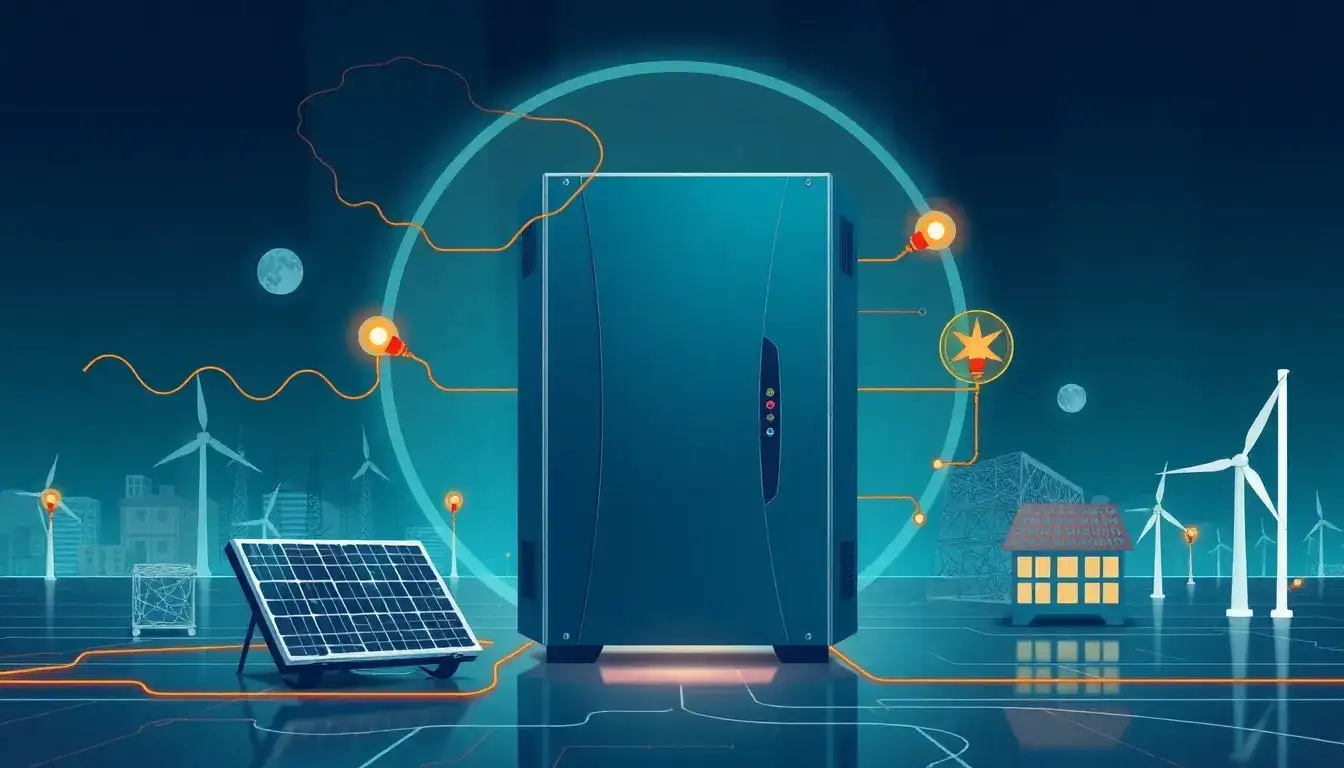
- Higher Initial Cost: Hybrid inverters are generally more expensive than traditional grid-tied inverters due to their complex design and multiple functionalities, including managing multiple energy sources and integrating battery storage.
- Complex Installation: The installation of hybrid inverters can be more complex and requires specialized knowledge, which may necessitate hiring a professional for setup. This complexity can make self-installation difficult unless you are experienced with hybrid systems.
- Maintenance and Repairs: Maintenance and repairs of hybrid inverters are often more challenging and costly compared to traditional inverters. The reliance on multiple energy sources can lead to more frequent faults and repairs.
- Limited Power Output: Hybrid inverters typically have limited power output, making them less suitable for large-scale commercial or industrial applications. They are generally more suitable for residential or small commercial setups.
- Noise Pollution: The more complex design of hybrid inverters can result in higher noise levels, potentially leading to noise pollution, particularly in residential areas.
- Future Design Flexibility: Hybrid inverters might limit future design flexibility. For example, upgrading or adding more solar panels may require additional modifications or upgrades to the inverter itself.
- Not Ideal for Upgrading Existing Systems: If you already have a solar system with a traditional inverter, upgrading to a hybrid inverter may not be cost-effective. It might require a complete system overhaul, including adding a battery storage system.
Original article by NenPower, If reposted, please credit the source: https://nenpower.com/blog/what-are-the-potential-drawbacks-of-using-a-hybrid-inverter/

