

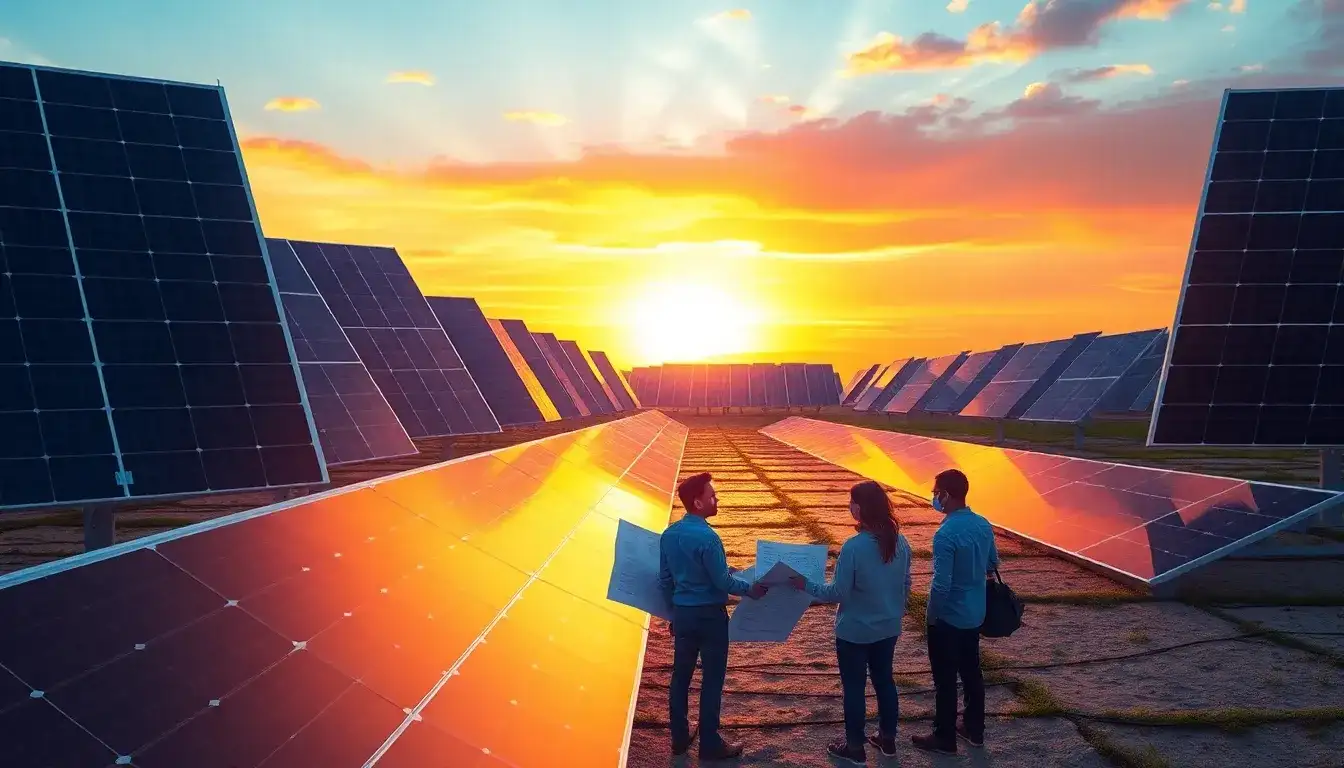
When integrating bifacial solar panels with energy storage systems, several design challenges arise due to the unique characteristics of bifacial technology and the complexities of energy storage. These challenges include:
1. Performance Variability and Lack of Standardization
- Bifacial panels capture sunlight from both the front and rear sides, depending heavily on albedo (reflective ground surface) and installation conditions, resulting in variable energy output. This variability complicates accurate prediction of energy generation, which is critical when sizing and managing storage systems.
- The industry currently lacks standardized testing protocols and uniform performance measurement methods for bifacial modules. This absence of standardized data makes it difficult to benchmark performance reliably and design storage systems that efficiently match generation profiles.
2. Grid Integration and System Dynamics
- Bifacial panels introduce bidirectional power flow characteristics because they can generate more energy during certain conditions, potentially leading to fluctuations in power injection into the grid.
- Current grid infrastructure and regulatory frameworks may not be fully adapted to handle these dynamics, creating challenges in integrating both bifacial panels and energy storage systems. Storage systems must be designed to support grid stability amid the intermittent and variable nature of bifacial PV output.
3. Energy Storage Sizing and Cost
- Solar intermittency is a key issue — solar panels do not produce energy at night or during cloudy periods. While bifacial panels improve daytime energy capture by 30-40%, energy storage is still essential to provide power continuity.
- Designing storage systems requires accurately sizing batteries or other storage solutions to capture excess daytime energy and supply it when the sun is not shining. The variability and lack of predictability in bifacial panel output add complexity to optimal storage sizing and cost-effectiveness.
- Batteries, especially lithium-ion ones, remain a significant cost factor. Emerging storage technologies such as flow batteries or solid-state batteries promise improvements but are not yet fully mature or widely adopted.
4. Technological Compatibility and System Efficiency
- The integration must ensure compatibility between bifacial solar panels and storage technologies to minimize energy loss through conversion and improve overall system efficiency.
- Advanced monitoring and control systems are required to coordinate energy flows between generation, storage, and grid or load demand dynamically, especially given bifacial panels’ variable and site-dependent output.
5. Long-Term Data and Reliability Concerns
- Bifacial PV technology is relatively new, with limited long-term data on degradation rates and durability. This uncertainty complicates modeling over the lifespan of combined PV-storage systems and impacts financial risk assessments.
In summary, key design challenges for integrating bifacial solar panels with energy storage systems revolve around managing variability and unpredictability of bifacial output, adapting grid and regulatory frameworks, ensuring cost-effective and properly sized storage, achieving technological compatibility, and overcoming the limited long-term performance data available. Addressing these challenges requires coordinated advances in standards, system design, and energy storage technologies to fully realize the efficiency gains offered by bifacial photovoltaics.
Original article by NenPower, If reposted, please credit the source: https://nenpower.com/blog/what-are-the-potential-design-challenges-when-integrating-bifacial-solar-panels-with-energy-storage-systems/

