

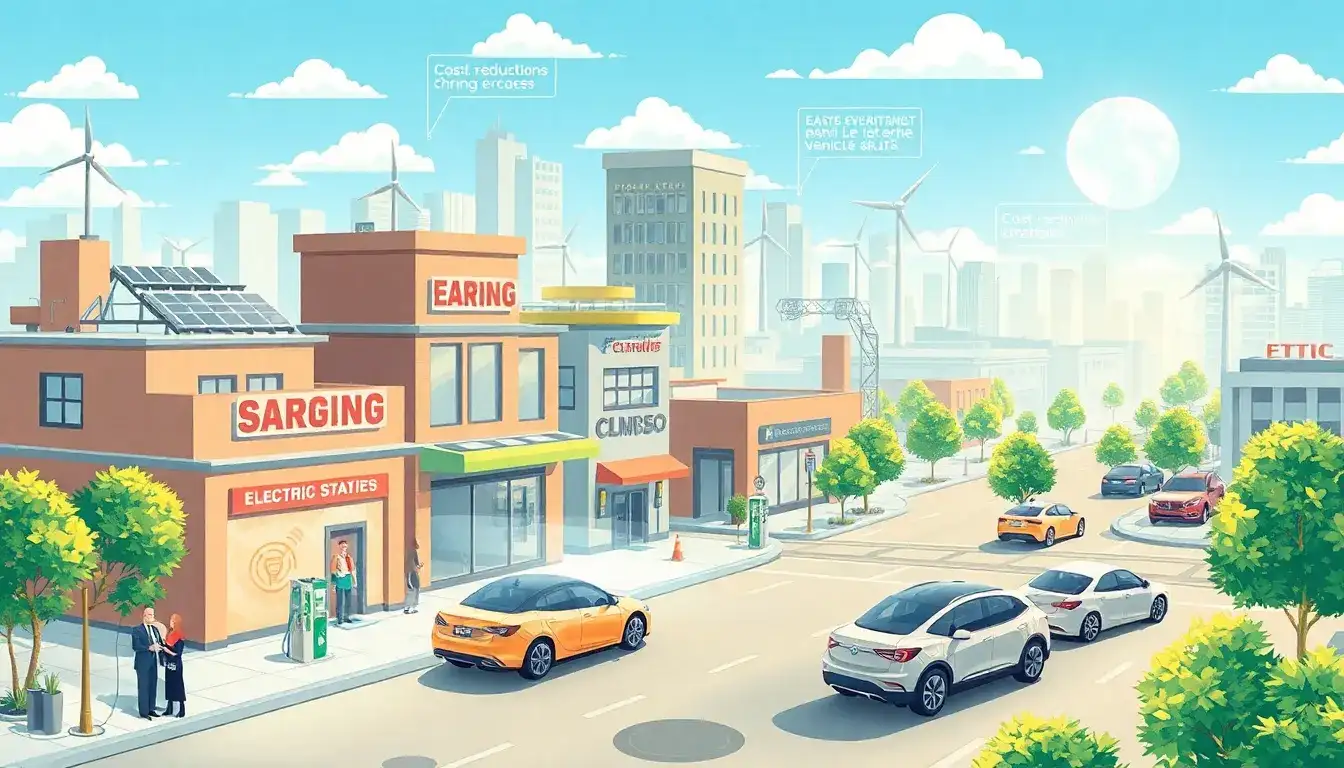
Businesses can implement several strategies to reduce the costs associated with installing EV charging stations:
Cost-Reduction Strategies
- Incentives and Grants:
- Federal Tax Credits: Up to 30% of installation costs can be covered.
- State and Local Grants: Specific rebates or grants are available to support EV infrastructure.
- Utility Company Programs: Many offer discounted rates or subsidies for businesses installing EV charging stations.
- Partnerships and Collaborations:
- Charging Network Partnerships: Collaborate with charging providers who may install and maintain stations in exchange for revenue sharing.
- Smart Planning and Installation:
- Use Existing Infrastructure: Choose locations with existing electrical infrastructure to minimize installation costs.
- Plan for Future Expansion: Install wiring for additional stations upfront to save on future labor costs.
- Bundling Installations: Installing multiple stations at once reduces per-unit labor and mobilization costs.
- Energy Management:
- Battery Energy Storage Systems (BESS): Store energy during off-peak hours to reduce demand charges during peak times.
- Smart Charging: Utilize smart charging systems to charge vehicles during off-peak hours when electricity rates are lower.
- Renewable Energy Integration:
- Incorporate Renewables: Use solar panels or wind turbines to generate electricity, reducing reliance on the grid.
- Vehicle-to-Grid (V2G) and Vehicle-to-Building (V2B): Leverage these technologies to feed energy back into the grid or building, generating additional revenue.
By implementing these strategies, businesses can make EV charging infrastructure more affordable and sustainable.
Original article by NenPower, If reposted, please credit the source: https://nenpower.com/blog/what-are-the-potential-cost-reduction-strategies-for-businesses-installing-ev-charging-stations/

