

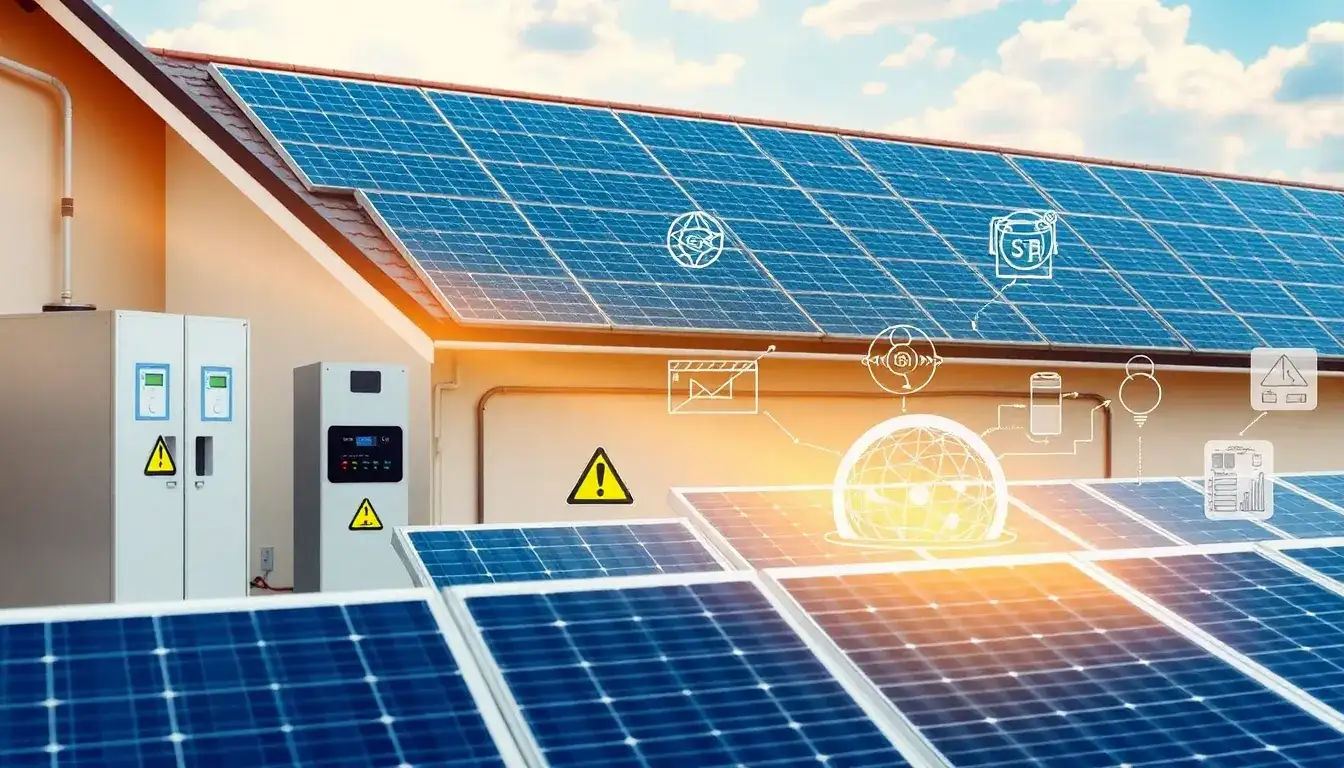
Integrating solid-state batteries (SSBs) into existing solar energy systems presents several potential challenges despite their promising advantages such as compact size, long lifespan, and enhanced durability for solar storage.
Potential Challenges of Integrating Solid-State Batteries into Solar Energy Systems
1. Stability and Interfacial Resistance
Solid-state electrolytes often face difficulties in achieving consistently stable interfaces with electrodes. This can lead to poor contact and high interfacial resistance during charging and discharging cycles, causing performance degradation over time. Such instability could affect the reliability and efficiency of solar energy storage systems.
2. Brittleness and Mechanical Durability
Many solid electrolytes, especially ceramic-based ones, are brittle. This brittleness complicates manufacturing and makes batteries vulnerable to mechanical stress and vibrations. For solar installations exposed to environmental factors like wind or structural vibrations, this fragility increases the risk of mechanical failure and cracks, impacting longevity and safety.
3. Cost and Manufacturing Complexity
SSBs are currently more expensive to produce due to complex handling and manufacturing processes. This higher cost can be a significant barrier to their widespread integration into residential and commercial solar systems, which often require cost-effective and scalable storage solutions.
4. Performance at Low Temperatures
Solid-state batteries often perform poorly at low temperatures. Since solar energy systems sometimes operate in varying climates, especially colder regions, ensuring stable battery performance at room and sub-room temperatures is critical but challenging. Stabilizing SSBs for reliable temperature performance without sacrificing energy density adds complexity to their integration.
5. Gradual Performance Degradation
Like other battery technologies, SSBs face gradual degradation through continuous charging and discharging cycles. Over long-term use in solar energy systems, this could reduce energy storage capacity and efficiency, necessitating eventual replacement or maintenance.
6. Energy Density and Weight Considerations
Although SSBs offer safety and durability benefits, their current modest energy density (around 250 Wh/kg) and weight might limit energy storage capacity relative to volume or add to the system’s weight, which could be a factor in certain solar installations where space and structural load are concerns.
In summary, the main challenges of integrating solid-state batteries into existing solar systems include stability and interface issues, mechanical brittleness, high production costs, temperature sensitivity, long-term degradation, and limited energy density. Addressing these technical and economic challenges is essential for the widespread adoption of solid-state batteries in solar energy applications.
Original article by NenPower, If reposted, please credit the source: https://nenpower.com/blog/what-are-the-potential-challenges-of-integrating-solid-state-batteries-into-existing-solar-energy-systems/

