

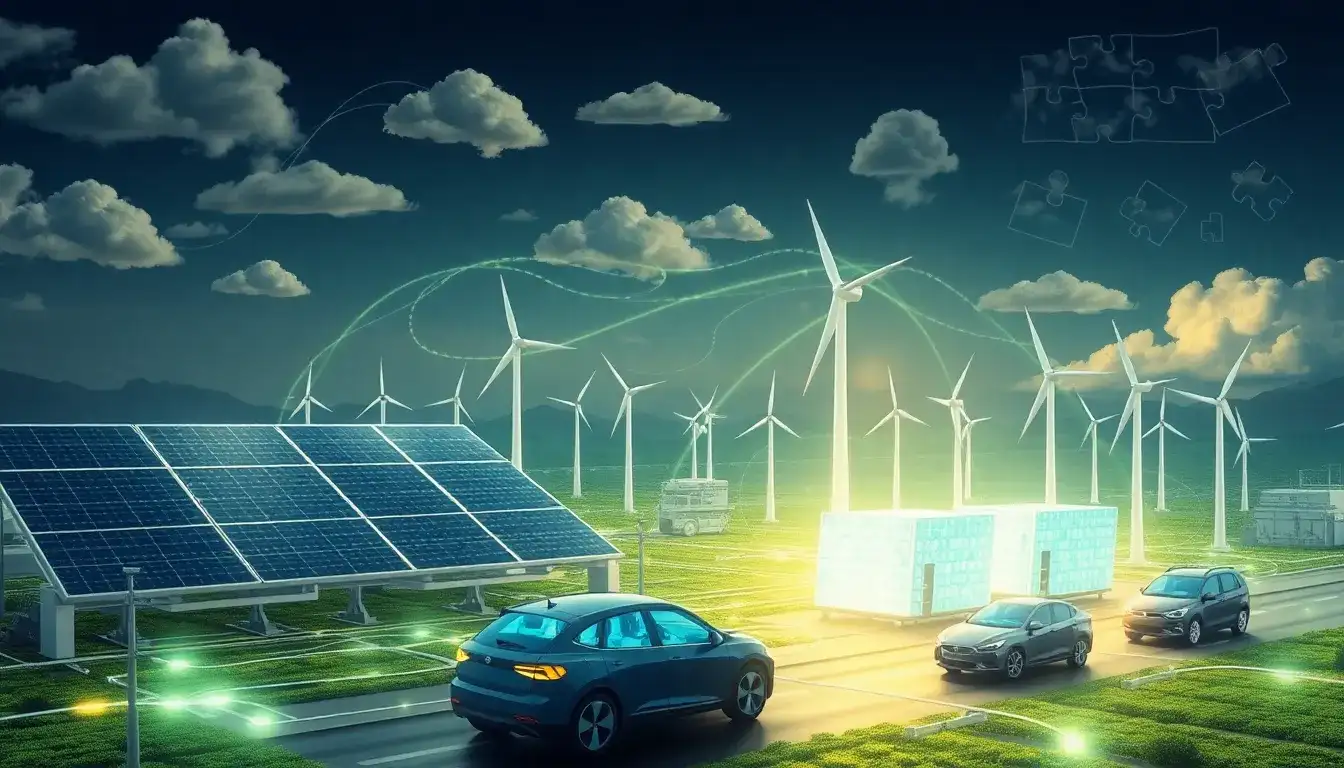
Integrating solid-state batteries into existing renewable energy infrastructure presents several potential challenges:
Challenges in Integration
- Technical Compatibility:
- Interfacial Issues: One of the primary technical challenges is ensuring good interfacial contact between the solid electrolyte and the electrodes. Poor contact can lead to high energy barriers and limited ion transport, affecting overall efficiency and performance.
- Scalability and Manufacturing: Solid-state batteries require complex fabrication processes that are difficult to scale. Ensuring defect-free thin solid electrolyte layers and precise contact with electrodes necessitates advanced engineering facilities.
- Cost and Accessibility:
- Solid-state batteries involve costly materials, making them more expensive than conventional lithium-ion batteries. This could hinder widespread adoption, especially for existing renewable energy systems looking to upgrade or integrate new battery technologies.
- Energy Density and Charging Speed:
- While solid-state batteries offer promise in terms of faster charging and higher energy density, achieving these benefits consistently in practical applications remains a challenge. This includes optimizing charging systems to handle the faster charge rates.
- Stability and Durability:
- The brittleness of many solid electrolytes, particularly ceramics, complicates handling during manufacturing and reduces durability in operational environments subject to vibrations and stress.
- Achieving consistently stable interfaces between the electrolyte and electrodes is crucial to maintain performance over time.
- Infrastructure Adaptation:
- Integrating solid-state batteries into existing infrastructure may require significant modifications to charging systems and battery management systems (BMS) to accommodate faster charging and different thermal management needs.
- Regulatory and Standards Compliance:
- Ensuring that solid-state batteries comply with safety standards, regulatory frameworks, and industry specifications will be essential for widespread adoption.
Addressing Challenges
Addressing these challenges will require continued research and development efforts, including improvements in materials science, manufacturing processes, and system integration. Innovations like anode-free designs and advanced solid electrolytes are promising steps toward overcoming current limitations. Collaboration between industries, research institutions, and regulatory bodies will be crucial to ensure seamless integration into renewable energy systems.
Original article by NenPower, If reposted, please credit the source: https://nenpower.com/blog/what-are-the-potential-challenges-in-integrating-solid-state-batteries-into-existing-renewable-energy-infrastructure/

