

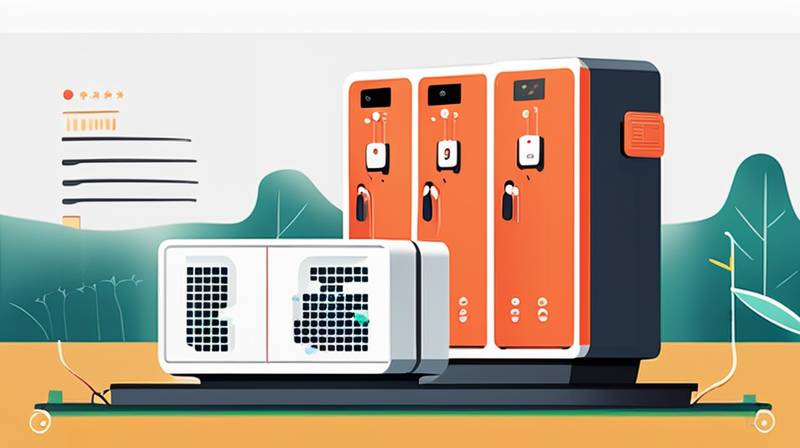
What are the outdoor energy storage appliances?
- Outdoor energy storage appliances are devices designed to store energy harnessed from renewable sources or the electrical grid for usage in outdoor settings. 1. These devices typically serve to enhance energy efficiency, 2. provide backup power during outages, 3. support off-grid living, 4. reduce reliance on fossil fuels. Each category of appliance offers specific benefits tailored to different user needs. For instance, portable power stations allow campers to charge devices seamlessly while enjoying nature, acting as an essential asset in outdoor adventure homes. In urban settings, larger installations integrate with solar panels for sustainable living solutions. This article elaborates on various types of outdoor energy storage devices, examining their functions, applications, benefits, and market trends while answering common inquiries about their usage.
1. TYPES OF OUTDOOR ENERGY STORAGE APPLIANCES
1.1 Portable Power Stations
Portable power stations represent a popular category of outdoor energy storage appliances, engineered to provide reliable energy sources when away from traditional electrical grids. These portable units, commonly equipped with lithium-ion batteries, offer varying capacities suitable for diverse applications, ranging from charging mobile devices to powering larger equipment, such as electric grills or heaters.
The versatility of portable power stations makes them invaluable for outdoor enthusiasts. Not only do they facilitate convenience, but they also support the sustainability principle. Many modern portable power stations are compatible with solar panels, which enables users to harness sunlight while camping or at recreational sites. Examples include brands like Jackery, Goal Zero, and EcoFlow, each providing distinct features tailored to outdoor needs.
1.2 Solar Battery Storage Systems
Solar battery storage systems constitute a more significant investment but yield substantial benefits for homeowners and off-grid enthusiasts alike. These systems work by capturing solar energy produced during the day, storing it, and allowing for use during periods of low sunlight. The capacity to store energy generated from such a renewable source dramatically reduces reliance on grid electricity, decreasing monthly energy bills.
With advancements in technology, solar batteries have become increasingly efficient. Companies like Tesla with their Powerwall have revolutionized home energy storage by introducing systems that can power an average home for several hours, paving the way for energy independence. Furthermore, the environmental benefits cannot be overstated; using clean energy solutions translates to lower carbon footprints and a greener future.
2. ADVANTAGES OF OUTDOOR ENERGY STORAGE APPLIANCES
2.1 Energy Independence
One of the most compelling reasons for integrating outdoor energy storage appliances is the pursuit of energy independence. For individuals who frequently engage in outdoor activities, such as camping, hiking, or traveling, having access to stored energy can significantly augment convenience and flexibility. In situations where traditional power supply may be limited or unavailable, portable power stations provide a reliable lifeline.
Renewable energy sources are transforming the landscape of power dependency. By utilizing solar batteries or portable units, individuals and communities can harness natural resources to meet their energy needs without relying on external providers. This independence fosters a sense of self-sufficiency and potentially lowers long-term costs associated with energy acquisition.
2.2 Environmental Sustainability
The drive towards environmental sustainability is a guiding principle in the development and utilization of outdoor energy storage appliances. These devices often promote the use of clean energy, significantly reducing greenhouse gas emissions and mitigating climate change impacts. By storing energy from renewable sources, users actively participate in environmentally responsible practices.
Outdoor appliances can also encourage others to adopt sustainable behaviors by showcasing practical applications of renewable energy. As environmental awareness grows, consumers increasingly prioritize sustainability, leading to a heightened demand for such appliances in both urban and rural settings. Moreover, environmental policies often incentivize the adoption of renewable energy, providing end-users with additional motivation to invest in energy storage solutions.
3. CONSIDERATIONS BEFORE PURCHASING OUTDOOR ENERGY STORAGE APPLIANCES
3.1 Purpose and Capacity
Before committing to the purchase of outdoor energy storage devices, understanding the intended use and required capacity is essential. Different models cater to various needs, and determining the specific requirements helps streamline the decision-making process. For example, campers may only need portable power stations with a limited output, while full-time van dwellers may seek more extensive storage options that can power their entire mobile home.
Evaluating energy consumption patterns also plays a significant role in selecting the appropriate appliance. By calculating the total wattage required for all devices, individuals can better ascertain which storage solution best meets their demands. Consulting with professionals or on industry forums may provide valuable insights into the most suited options based on specific lifestyles.
3.2 Budget and Warranty
Financial investment remains a critical consideration when acquiring outdoor energy storage appliances. Prices can vary significantly based on brand, features, and capacity, prompting potential buyers to carefully assess their budgets. It is prudent to project long-term costs associated with maintenance and potential replacements when evaluating upfront expenses.
Moreover, considering warranty options is equally important. Manufacturers often provide warranties that offer protection against defects and product failures, which enhances consumer confidence in the purchase. Understanding the terms and length of the warranty may favor informed decision-making.
4. APPLICATIONS OF OUTDOOR ENERGY STORAGE APPLIANCES
4.1 Recreational Activities
Outdoor energy storage devices find practical applications in various recreational activities. Camping, for instance, benefits immensely from portable power stations allowing campers to power small appliances, charge devices, and access light sources without traditional power sources. These capabilities enhance comfort and safety while engaging with nature.
Similarly, outdoor hobbies such as tailgating or fieldwork can utilize these appliances, providing vital power for both entertainment and essential equipment. The capacity to use high-capacity appliances like a mini-fridge or a blender heightens the overall experience of outdoor events, wherein traditional resources may be lacking.
4.2 Emergency Backup Power
In addition to recreational uses, outdoor energy storage appliances serve a critical purpose during power outages and emergencies. Portable power stations can act as temporary energy supplies, providing power to essential devices such as medical equipment, refrigerators, or lights during unexpected outages. This capability is particularly advantageous for those living in areas susceptible to natural disasters or extreme weather conditions.
Emergencies can strike at any moment, and being prepared with a reliable energy source can mean the difference between a manageable situation and a significant challenge. By maintaining an outdoor energy storage unit, individuals ensure they have a proactive strategy in place, reaffirming peace of mind.
5. MAJOR TRENDS IN THE OUTDOOR ENERGY STORAGE MARKET
5.1 Technological Advancements
The outdoor energy storage market is currently buoyed by ongoing technological advancements. Innovations in battery chemistry, materials, and design have propelled the efficiency, capacity, and charging capabilities of these appliances. This evolutionary trend continues to enhance user experience and broaden the applications of outdoor energy storage devices.
New products exhibit increased integration capabilities with renewable sources, such as solar panels and wind turbines. Users can benefit from smarter energy management solutions that optimize energy harvesting and minimize waste, ultimately lowering their carbon footprint.
5.2 Increased Market Demand
A discernible shift in consumer preferences has driven growth within the outdoor energy storage sector. With increasing awareness of climate change and fossil fuel reliance, consumers are turning towards greener energy solutions, prompting manufacturers to focus on sustainability. The growing interest in outdoor hobbies during the pandemic further fueled demand for portable energy storage solutions.
Sustainability initiatives undertaken by governments and organizations also play a role in propelling the sale of outdoor energy storage devices. Regulatory incentives often encourage consumers to invest in renewable energy alternatives, further solidifying the outdoor appliances’ market viability.
OUTDOOR ENERGY STORAGE APPLIANCES: FREQUENT INQUIRIES
WHAT TYPES OF ENERGY SOURCES DO OUTDOOR ENERGY STORAGE APPLIANCES SUPPORT?
Outdoor energy storage appliances predominantly support renewable energy sources, with solar and wind being the most popular. Portable power stations often come equipped with compatibility for solar panel charging, allowing individuals to harness energy generated from sunlight. Some models may also include the option to be charged from standard electrical sources, such as wall outlets or car chargers, providing versatility for users.
Additionally, advancements in technology have introduced hybrid systems capable of utilizing different energy sources, expanding the operational capabilities of outdoor energy storage appliances. This flexibility enables users to optimize their energy sourcing based on availability and convenience, fostering a sustainable approach to energy consumption.
HOW LONG DOES IT TAKE TO CHARGE PORTABLE POWER STATIONS?
The charging time for portable power stations varies depending on several factors, including the model, battery capacity, and the energy source used for charging. Generally, charging from a standard wall outlet takes significantly less time than charging via solar panels or car adapters. For instance, a power station with a 500-watt-hour capacity may take approximately 6-8 hours to fully charge using an AC outlet.
When utilizing solar panels, charging duration is influenced by weather conditions, sunlight intensity, and the wattage of the solar panels employed. Users seeking rapid charging may consider models with higher input capacity and combine multiple sources to maximize efficiency. Understanding these factors will allow users to plan their energy needs effectively.
ARE OUTDOOR ENERGY STORAGE APPLIANCES WORTH THE INVESTMENT?
Determining whether outdoor energy storage appliances are worth the investment hinges on individual needs, lifestyle, and environmental values. For outdoor enthusiasts, preppers, or individuals residing in regions prone to power outages, investing in reliable energy storage solutions can offer unparalleled convenience and peace of mind.
While initial costs may deter some purchases, the long-term benefits often outweigh these considerations. Regular use may lead to significant savings on energy bills, especially when utilizing renewable sources. Moreover, aligning daily activities with sustainable practices not only fosters a greener lifestyle but can positively influence personal health and well-being. Thus, assessing its value entails a nuanced understanding of one’s own priorities and needs.
In summation, outdoor energy storage appliances represent an innovative solution tailored for energy independence, sustainability, and practicality. As society addresses the growing need for clean energy solutions, these devices are poised to become integral components in modern life. Addressing multifaceted demands regarding personal, environmental, and economic sustainability drives the evolution and adoption of outdoor energy storage solutions. By understanding their functions, advantages, and applications, individuals can make informed choices about integrating these devices into their lives. Thus, outdoor energy storage appliances not only offer immediate benefits for outdoor activities and emergencies but also contribute to the broader goal of achieving sustainable and renewable energy practices across diverse contexts.
Original article by NenPower, If reposted, please credit the source: https://nenpower.com/blog/what-are-the-outdoor-energy-storage-appliances/

