

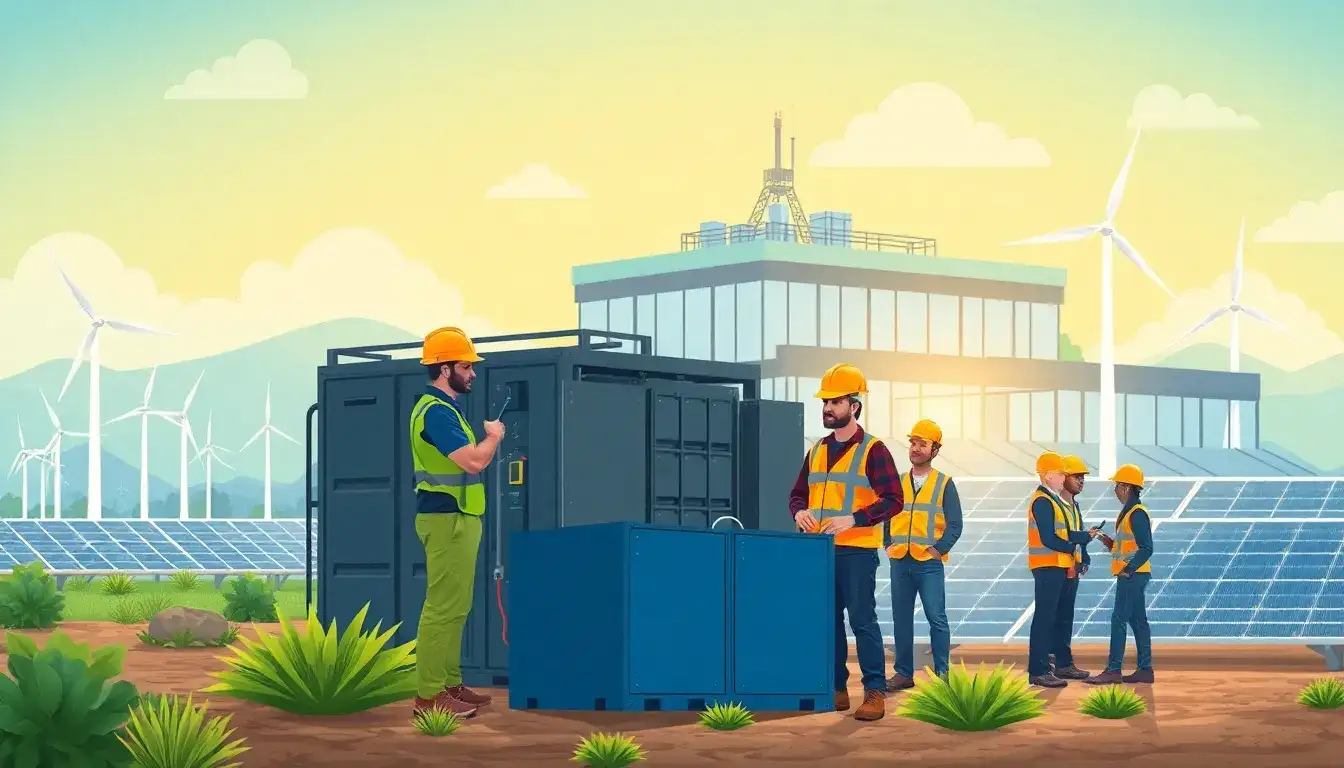
The new prevailing wage and apprenticeship requirements for energy storage projects, as part of the Inflation Reduction Act (IRA), are designed to ensure that clean energy projects, including those involving energy storage, meet specific criteria to qualify for enhanced tax incentives. Here’s a breakdown of these requirements:
Prevailing Wage Requirements
- Application: The prevailing wage requirements apply to energy storage projects that are eligible for tax credits like the Investment Tax Credit (ITC).
- Wage Rates: Determinations of prevailing wage rates are made by the Department of Labor (DOL), consistent with the Davis-Bacon Act. Employers must pay laborers and mechanics not less than these applicable rates during construction, alteration, or repair of facilities.
- Duration for Compliance: Taxpayers must comply with prevailing wage requirements during the construction phase and may need to continue compliance for a certain period after the project is placed in service, depending on the specific tax credit.
Apprenticeship Requirements
- Labor Hours Requirement: For projects starting construction after December 31, 2023, at least 15% of total labor hours must be performed by qualified apprentices from a registered program. Lower percentages apply to earlier construction start dates: 12.5% for projects beginning in 2023 and 10% for those starting before 2023.
- Ratio and Participation Requirements: Taxpayers must adhere to the apprentices-to-journeyworkers ratio established by the registered program and ensure that, if employing four or more individuals, at least one qualified apprentice is hired.
- Duration for Compliance: Apprenticeship requirements only apply during the construction phase and do not continue after the facility is placed in service.
- Good Faith Exception: The IRS allows a “good faith exception” for taxpayers who have made attempts to comply with apprenticeship requirements but face constraints in fulfilling them.
Exceptions and Compliance
- Exceptions: Facilities with less than one megawatt capacity or those that began construction before January 29, 2023, may not need to meet these requirements to qualify for full incentives.
- Compliance and Recordkeeping: Taxpayers must maintain detailed records to demonstrate compliance with both prevailing wage and apprenticeship requirements. This includes documenting wages, labor hours, apprentice participation, and contractual arrangements with contractors and subcontractors.
- Penalties and Penalties Relief: Failure to comply can lead to penalties, but projects covered by qualifying project labor agreements may avoid these penalties.
By fulfilling these requirements, energy storage projects can qualify for up to five times the base tax incentives, supporting both the clean energy sector and workers’ wages and training opportunities.
Original article by NenPower, If reposted, please credit the source: https://nenpower.com/blog/what-are-the-new-prevailing-wage-and-apprenticeship-requirements-for-energy-storage-projects/

